
Sony Patent Targets Content Revenue Prediction Before Production Begins
Sony is patenting a tool that reads a content plan, estimates how much value it will generate, and tells the creator what to change before a single frame is shot.
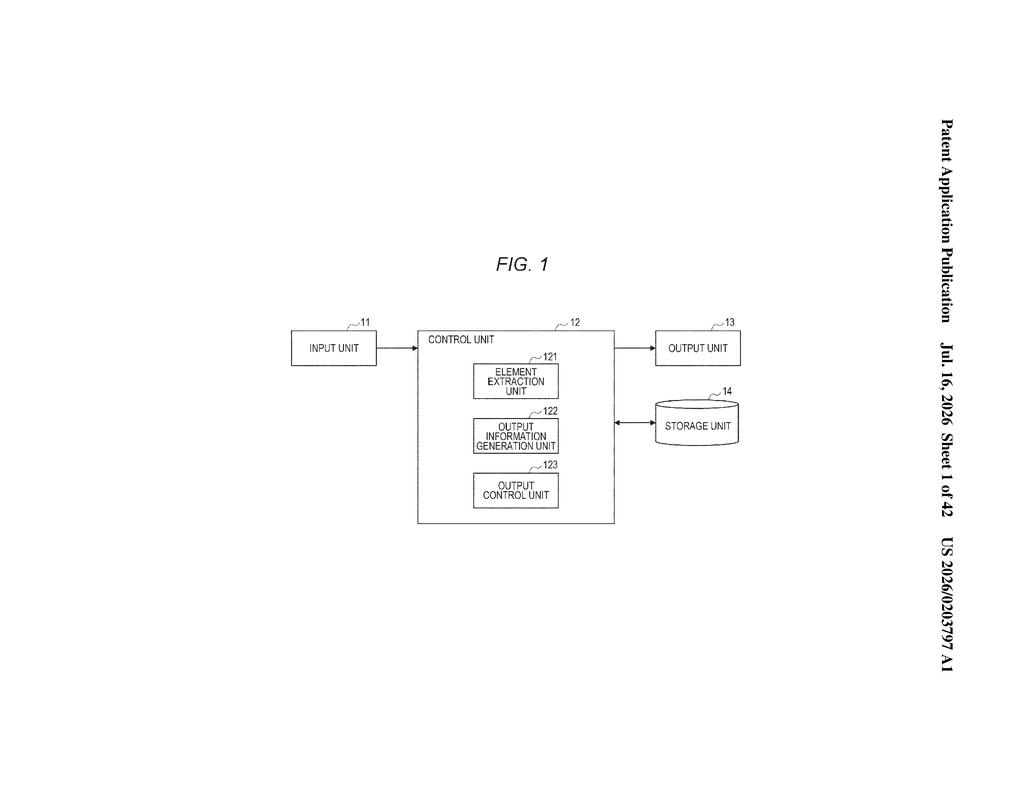
What Sony's content-value estimator actually does
Imagine you're planning a short film or ad campaign. You write out the plan: who's in it, what it's about, where it's set. Normally, you find out whether it worked after you've spent the budget. Sony's patent describes a tool that tries to flip that timeline.
The system reads your content plan, breaks it into its individual parts (the cast, the setting, the format, and so on), and then estimates what kind of value that content is likely to produce. It compares that estimate against a goal you've set, and if there's a gap, it tells you what to adjust.
The editing experience is built around a two-screen approach. One screen shows you all the components of your plan as a list. Click on any one of them, and a second screen opens automatically, already filled in with the details of that component, ready for you to tweak. No copy-pasting, no manual data entry.
How the scenario parser and editing UI work together
The patent describes an information processing apparatus that takes a content scenario (a structured plan for producing a piece of media) and extracts its individual components. These components carry attribute information, meaning the specific details that define each element, such as the actors, locations, topics, or formats involved.
The system then does three things in sequence:
- Estimates the value the content would generate based on the current settings (the patent uses the word 'value' broadly, which could mean revenue, engagement, or some other measurable outcome).
- Compares that estimate against a target value that the user has defined.
- Outputs correction information: specific guidance on which setting elements to change to close the gap between estimated and target performance.
The user interface design is notable on its own. A first UI lists all the extracted components. Selecting one triggers a second UI that auto-populates with that component's attributes, so creators can edit individual elements without manually tracking or re-entering information. The auto-population is driven directly by the system's extraction process, not by the user filling things in.
The underlying estimation process (how the system predicts value) is not fully specified in the claim, which leaves room for it to use machine learning or statistical modeling under the hood.
What this means for professional content production
For professional content studios or marketing teams, the appeal is obvious: moving the feedback loop from post-release to pre-production. Right now, decisions about cast, format, topic, and length are mostly made on instinct or past experience. A system that quantifies the expected outcome of those choices and flags the weakest links before production starts could meaningfully change how content budgets are allocated.
Sony sits at the intersection of consumer electronics, music, film, and gaming, so the range of 'content' this tool could apply to is wide. Whether this is aimed at internal Sony production teams, third-party creators on a future platform, or advertising partners is not spelled out in the filing. But the scenario-to-component-to-edit workflow suggests it's designed for professionals managing complex, multi-element productions rather than individual creators.
This patent is genuinely interesting as a product concept but light on technical specifics. The claim locks in a particular UI workflow and a general estimation-comparison-correction loop, but the actual value-prediction engine is left vague, which is where all the hard engineering lives. Sony is staking out the concept before the hard part is finished.
There are more where this came from
We read every patent application Big Tech publishes and send you the ones worth knowing. Plain English, free, every week.
Want this weekly breakdown for a company we don't cover? Patentlyze Pro →
Be the first to weigh in