
New Patent Keeps Ad Targeting Data On Your Device
Google is patenting a way to show you targeted ads without ever sending your browsing habits to a remote server — your device does the profiling itself, and keeps the data to itself.
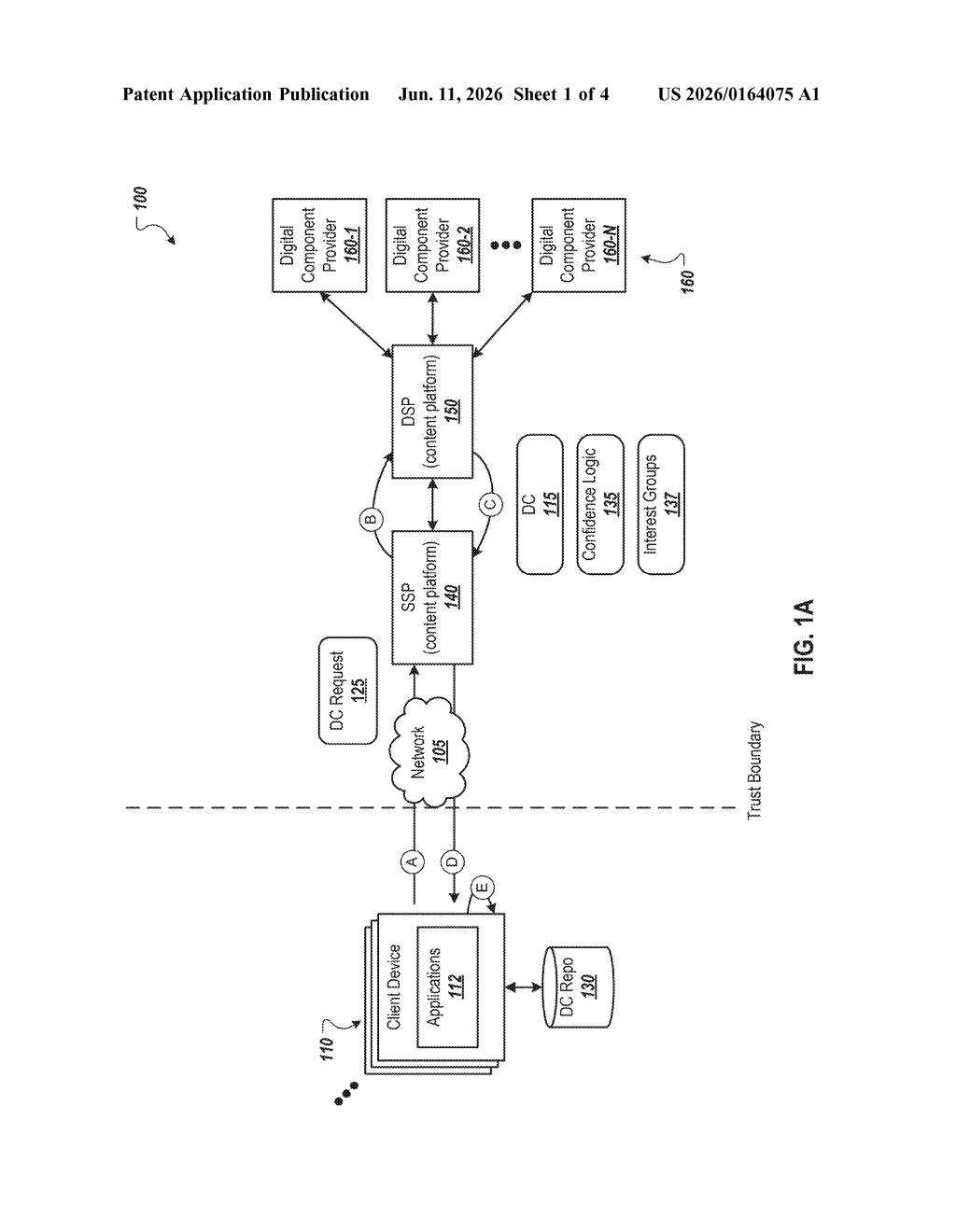
What Google's on-device ad targeting actually means for you
Imagine you're browsing a cooking website. Normally, that visit gets logged on a company's server somewhere, tagged to your profile, and eventually used to serve you ads for kitchen gadgets across the entire internet. Your habits leave your device and live in someone else's database.
Google's patent describes a different approach: instead of your interests being recorded on Google's servers, your own device quietly notes that you seem interested in cooking and updates a local tally. The ad-selection process then happens on your phone or computer, not in a data center.
The result is that advertisers can still reach people who are interested in their products, but the detailed record of what you've been reading never has to travel off your device. It's a design that tries to square the circle between personalized ads and personal privacy — though whether it fully delivers on that promise is a separate question.
How the client device tracks interest groups locally
The system works in two connected steps. First, when your device makes a request for a digital component (ad-industry shorthand for a banner, video, or sponsored listing), it sends along contextual data — information about the page you're on, like its topic or category. A content platform uses that contextual data to decide which interest group you belong to (e.g., "cooking enthusiasts" or "car shoppers") and picks an initial ad to show you.
Second, the platform sends that ad back to your device along with instruction data — essentially a small program that runs locally. That local program does two things:
- Updates a membership count stored on your device, recording that you've been added to a given interest group without sending that fact to a server.
- Enters the selected ad into a local auction or selection process, where it competes against other candidate ads entirely on your device before one is shown to you.
The key architectural choice is that the interest-group membership record — the sensitive part — never leaves the device. Only aggregate or anonymized signals need to flow back to advertisers, in theory limiting what any single server can learn about you as an individual.
What this means for the future of targeted advertising
Privacy-preserving ad tech has become a major battleground since regulators in Europe and elsewhere began scrutinizing how companies track users across the web. Google has been developing its Privacy Sandbox initiative for years, and this patent fits squarely into that effort — moving the sensitive profiling step onto the user's device rather than a centralized server.
For you as a user, the practical upside is that your browsing interests stay local rather than accumulating in a cloud profile. For advertisers and publishers, the question is whether local selection processes can deliver targeting accuracy close enough to today's server-side systems to keep ad revenue stable. That tension — privacy versus precision — is exactly what this architecture is trying to navigate.
This is solid, consequential infrastructure work, not a flashy consumer feature — but it matters because it represents Google's technical answer to a real regulatory and ethical problem. The fact that the first independent claim is canceled suggests this is a continuation or divisional filing, meaning the broader legal strategy around this technology is already in motion. Worth tracking if you follow ad tech, privacy law, or the Privacy Sandbox rollout.
There are more where this came from
We read every patent application Big Tech publishes and send you the ones worth knowing. Plain English, free, every week.
Want this weekly breakdown for a company we don't cover? Patentlyze Pro →