
Qualcomm Patents a Two-Stage AI System That Warns Headset Users When Objects Enter Their Space
When you're deep in a virtual world, you can't see the chair you're about to walk into or the person heading your way. Qualcomm's latest patent describes a two-stage AI system that watches your real surroundings and breaks through the virtual layer to warn you before something collides with you.
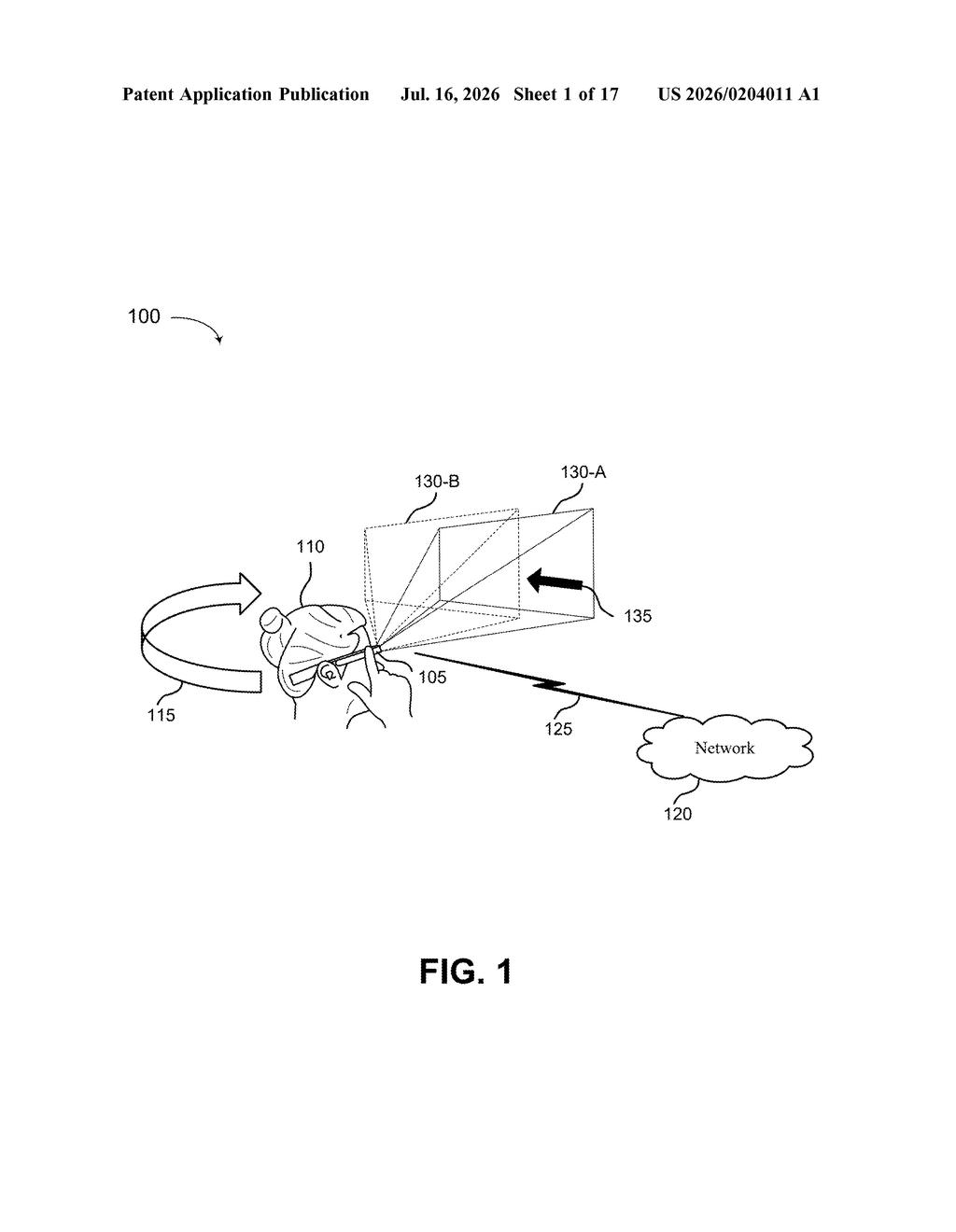
How Qualcomm's headset safety alert actually works
Imagine you're wearing a mixed reality headset, fully absorbed in a virtual workspace. Someone walks into the room. Right now, most headsets rely on a fixed boundary you draw on the floor before you start, called a guardian. That works fine until furniture moves or someone wanders into your play area without you noticing.
Qualcomm's patent describes a system that actively watches your real environment using the headset's cameras and alerts you the moment a person, pet, or object gets too close. Instead of a static boundary, it's a live AI-powered lookout.
The clever part is that it uses two separate AI models working in sequence to keep the whole thing running efficiently. A lightweight model scans constantly for anything that might be getting close. Only when something looks suspicious does a heavier, more accurate model kick in to confirm the threat. That way your headset isn't burning through its battery running full-power detection every single second.
How the two neural networks split the detection job
The patent describes a two-stage detection pipeline running on an XR device (think a standalone AR or VR headset).
Stage one: the scout. A lightweight first neural network continuously analyzes camera frames from around the headset. Its only job is to answer a coarse question: is anything movable getting close to the user's general area? Because it's a small, efficient model, it can run all the time without draining the device.
Stage two: the verifier. Only when the first network raises a flag does a second, more capable neural network activate. This one analyzes a fresh set of images and makes a finer judgment: is the object actually inside the user's immediate space, not just nearby? This is the expensive computation, so running it only on-demand keeps overall power use low.
If the second network confirms the intrusion, the headset immediately overlays a visual alert on whatever the user is seeing, showing them the real-world object that has crossed into their space.
The system is designed for movable objects specifically, which means it targets the things a static pre-drawn boundary can't handle: people walking in, chairs getting pushed, pets roaming around.
What this means for XR headset safety and battery life
Safety is currently one of the biggest friction points for XR adoption. The idea of closing your eyes to the real world while wearing a headset makes a lot of people nervous, and for good reason. A system that actively monitors your physical surroundings and interrupts the experience only when something genuinely enters your space is a practical step toward making headsets safer for everyday home and office use.
The two-stage design also matters beyond safety. Battery life and thermal management are the defining constraints of standalone headsets. By keeping the expensive detection work dormant until it's actually needed, Qualcomm is proposing a way to add a meaningful safety feature without the usual cost to performance or run time. That trade-off is the kind of thing that determines whether a feature ships in a real product.
This is a sensible, well-scoped patent that solves a real and underappreciated XR problem. The two-stage approach isn't flashy, but it reflects genuine engineering thinking about the hardware constraints of standalone headsets. Whether it ships in a Qualcomm-powered headset soon depends entirely on whether partners like Meta or Samsung want to build it in, but the underlying idea is practical enough to be worth watching.
Get our take in your Top Stories
Liked this breakdown? Add Patentlyze as a preferred source on Google, and our plain-English take shows up more often in your Top Stories the next time Qualcomm patent news breaks.
There are more where this came from
We read every patent application Big Tech publishes and send you the ones worth knowing. Plain English, free, every week.
Want this weekly breakdown for a company we don't cover? Patentlyze Pro →