
Qualcomm Patent Tracks VR Controllers in 3D Space Using Fewer Lights
Tracking where a handheld controller is pointing in 3D space normally requires a ring of glowing markers. Qualcomm's new patent describes a way to do the same job with fewer lights, which matters a lot if you're designing something that needs to run on a battery.
How Qualcomm's light-spot pose tracking actually works
Imagine you're wearing a VR headset and waving a handheld controller around. The headset's camera watches the controller and figures out exactly where it is and which way it's pointing, updating dozens of times per second. To do that reliably, most systems stud the controller with a bunch of glowing dots, using each dot as a reference point.
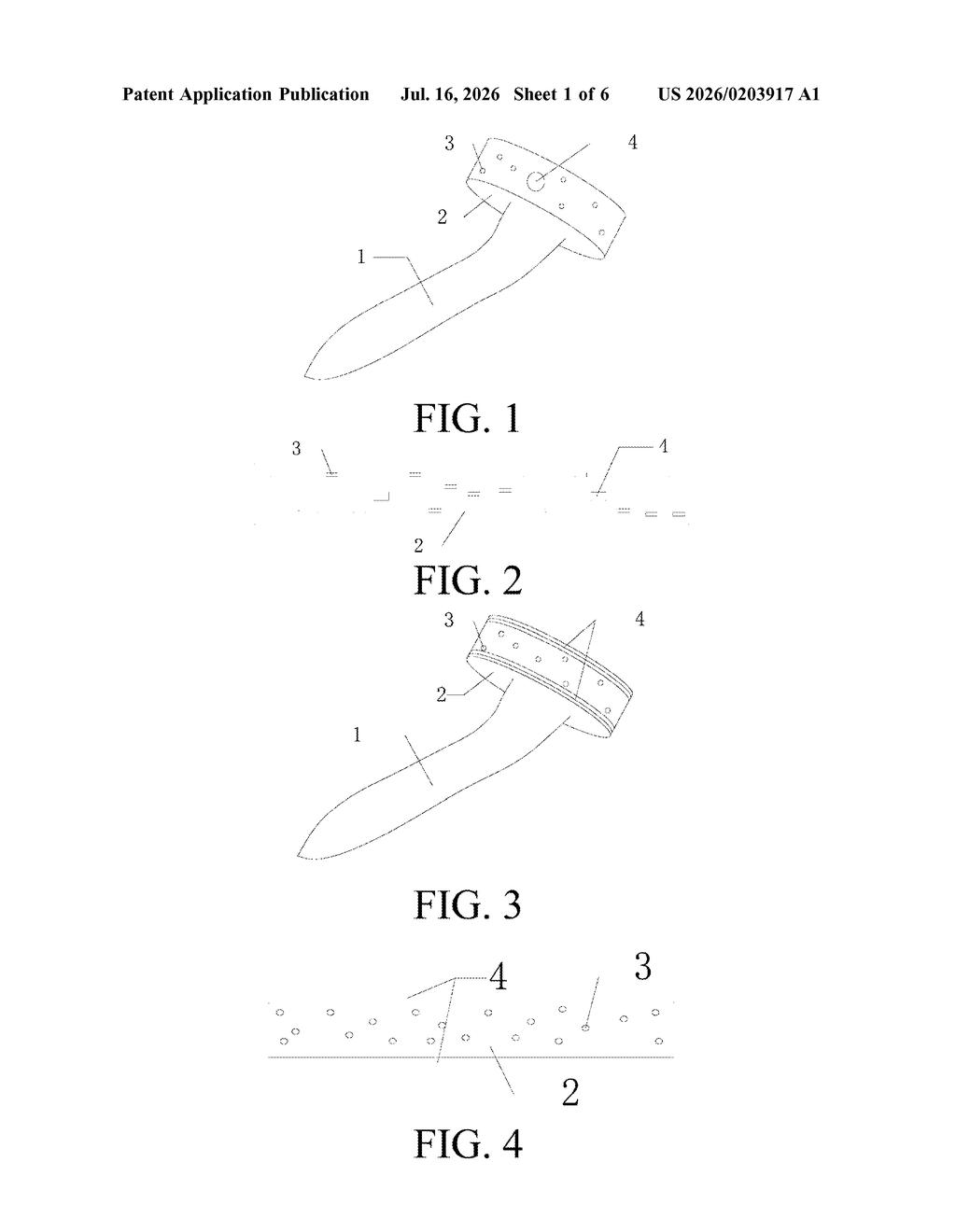
Qualcomm's patent describes a way to cut down on how many of those glowing dots you actually need. A camera captures an image of the controller, then the system does two things at once: it spots the glowing light dots and picks out ordinary visual details on the controller's surface, like edges and corners. Those surface features give a rough starting position, and then the light-dot data is used to fine-tune and correct it.
The result is a system that can track position accurately without needing as many battery-draining lights on the controller. Fewer lights means a simpler device, longer battery life, and potentially a slimmer or lighter controller design.
How the system blends visual features with light-spot data
The patent describes a two-stage pose-tracking pipeline, where "pose" means the combination of position and orientation of a physical object in 3D space.
Stage 1 (initialization): The camera captures an image of the controller. The system identifies 2D feature points on the image, things like corners, edges, or textured patches on the controller's body. These are matched against a known map of the controller's 3D geometry (a pre-loaded model of what the device actually looks like). A standard algorithm called PnP (Perspective-n-Point, which figures out where an object sits in space given matching 2D and 3D points) produces a rough starting pose.
Stage 2 (refinement): Separately, the system locates the light spot features, the bright blobs from the controller's light-emitting units in the same image. It then runs an optimization step that adjusts the rough pose until the predicted locations of the light spots (where they should appear given that pose) line up with where they actually appear in the image. This error-correction loop produces a more accurate final pose estimate.
The key design choice is that the visual surface features do the heavy lifting for initialization, so the system doesn't need a dense array of lights to get a starting guess. The lights only need to confirm and fine-tune. That's how the patent reduces the required number of light-emitting units while maintaining tracking accuracy.
What this means for wireless controllers and XR headsets
For XR controllers, smart glasses wands, or any hand-tracked device that follows you around wirelessly, battery life and weight are constant tensions. Every extra LED you add drains power and adds components. A tracking system that needs fewer lights to hit the same accuracy threshold is a real engineering win, not an abstract one.
Qualcomm supplies chips to a wide range of XR headset makers, so a tracking improvement at the platform level could show up across many devices. If this approach makes it into a future Snapdragon XR chip, headset manufacturers who build on that platform get the benefit without redesigning their optics pipeline from scratch.
This is a solid, practical patent rather than a flashy one. Reducing the LED count on a tracked controller while keeping accuracy is exactly the kind of low-level engineering that separates good XR hardware from frustrating hardware. It's not a vision-of-the-future filing; it's a nuts-and-bolts improvement that would ship inside a chip spec sheet.
Get our take in your Top Stories
Liked this breakdown? Add Patentlyze as a preferred source on Google, and our plain-English take shows up more often in your Top Stories the next time Qualcomm patent news breaks.
There are more where this came from
We read every patent application Big Tech publishes and send you the ones worth knowing. Plain English, free, every week.
Want this weekly breakdown for a company we don't cover? Patentlyze Pro →