
Sony Patent Targets Sharper AR and VR Displays With Dual-Lens Optical Design
Sony is patenting an optical system that uses two different types of lenses working together to project a display image cleanly onto your retina, with the goal of making VR and AR screens look far sharper with less optical distortion.
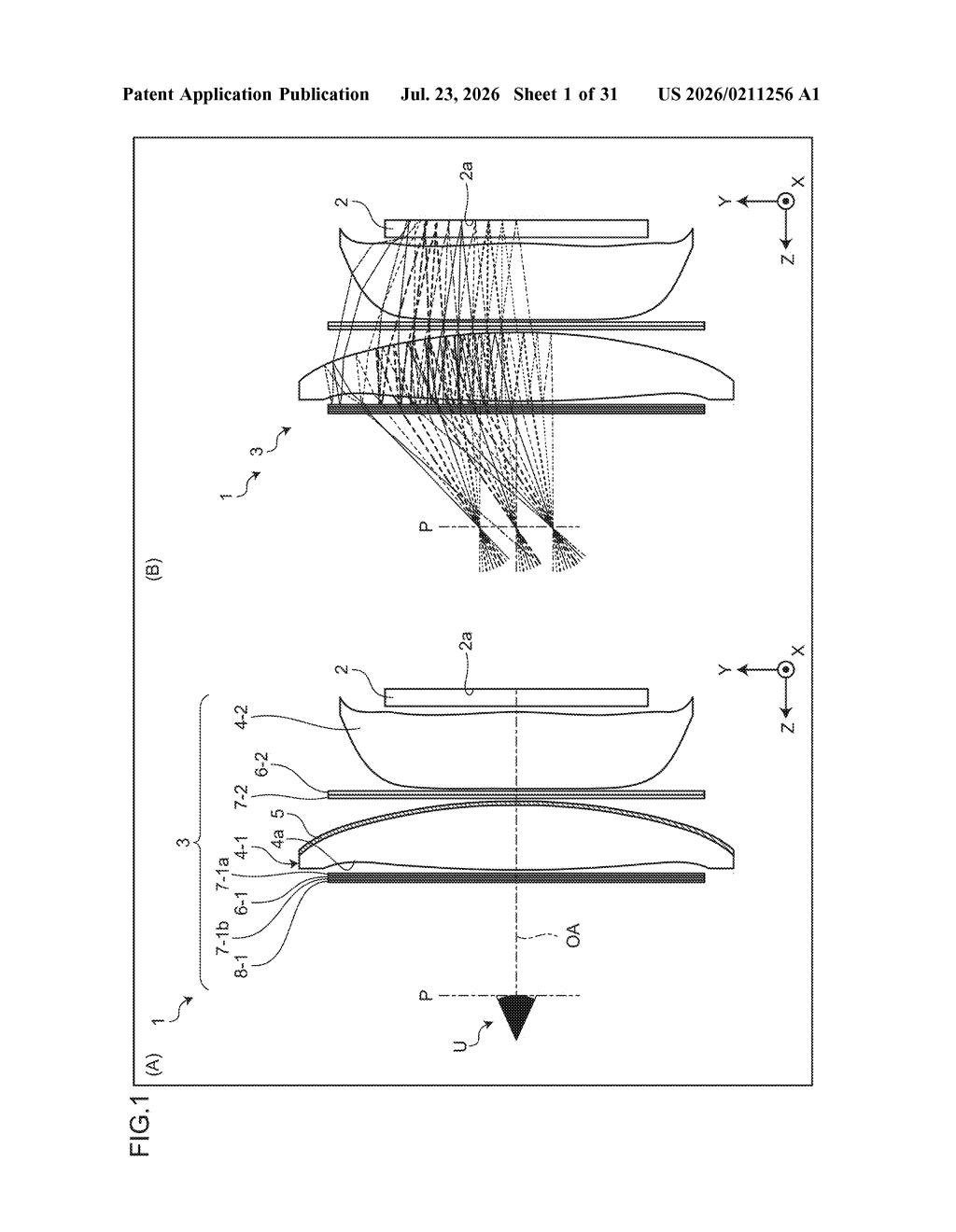
How Sony's two-lens trick makes headset screens look sharper
Imagine putting on a VR headset and noticing that the edges of the screen look blurry or distorted compared to the center. That's a real problem with current headset optics, and it comes down to how light bends through a single lens.
Sony's patent describes a two-lens approach to fix this. The first lens gathers and focuses light from the display panel. The second lens, a special type called a diffractive lens, fine-tunes how that light travels the rest of the way to your eye. The clever part is that the outer ring of this second lens intentionally slows down the light passing through it, so that all the light, whether it came through the center or the edge of the lens, arrives at your retina at the same time and in the right shape.
The result, at least in theory, is a cleaner, more consistent image across the full field of view, which is exactly what headset makers have been chasing for years.
How the diffractive lens delays light at its outer edge
The patent describes an optical system designed to sit between a flat display panel and the human eye inside a headset. It has two core components working in sequence:
- First refractive lens: A conventional curved lens that gathers light from the display and bends it toward the eye. Refractive lenses work by changing the angle of light as it passes through different thicknesses of glass or plastic.
- First diffractive lens: A thin, flat optical element placed between the refractive lens and the eyeball. Diffractive lenses work by using microscopic etched patterns to control how light waves interfere with each other, rather than bending them through thickness.
The key engineering detail is in how the diffractive lens is configured. Light passing through its outer peripheral portion is made to arrive slightly later (its phase is delayed) compared to light through the central portion. In wave optics, phase describes where a light wave is in its up-and-down cycle; delaying it is a way of correcting for the fact that light traveling through the outer parts of a lens naturally takes a different path than light going through the center.
This phase correction is a known technique called aberration control, reducing the smearing and distortion that typically plague wide-field optical systems. By splitting the job between a refractive lens and a diffractive lens, Sony can potentially achieve corrections that would be very difficult with a single lens element.
What this means for the next wave of VR and AR headsets
The optics inside VR and AR headsets are one of the main reasons they haven't fully replaced screens in everyday life. Bulky lenses, edge blurriness, and color fringing (where different colors of light focus at slightly different points) all degrade the experience. A diffractive lens can be made extremely thin and flat, which helps shrink the headset's profile, while the phase-delay design addresses distortion at the edges of your field of view.
Sony already makes the PlayStation VR2 headset and produces image sensors and optical components used across the industry. A patent like this signals ongoing work on the core optics that would appear in future headsets, whether Sony's own products or components sold to other manufacturers. Thinner, sharper optics would benefit any device where you're putting a screen inches from your eye.
This is a focused, technically specific optical patent, not a vague platform claim. The phase-delay diffractive approach is a real and well-studied problem in near-eye display optics, so Sony is working in a space where the engineering challenge is legitimate and the payoff for getting it right is substantial. It won't make headlines on its own, but it's the kind of unglamorous component work that separates good headsets from great ones.
There are more where this came from
We read every patent application Big Tech publishes and send you the ones worth knowing. Plain English, free, every week.
The drawings
31 drawing sheets from US 2026/0211256 A1 · click any drawing to enlarge


Want this weekly breakdown for a company we don't cover? Patentlyze Pro →
Be the first to weigh in