
Qualcomm Patents a Way to Keep Wireless Headphones Connected While Muted
Every time you hit mute on a call, your headphones are still working hard to stay connected. Qualcomm's new patent describes a smarter handshake that tells your earbuds to stand down, without dropping the link.
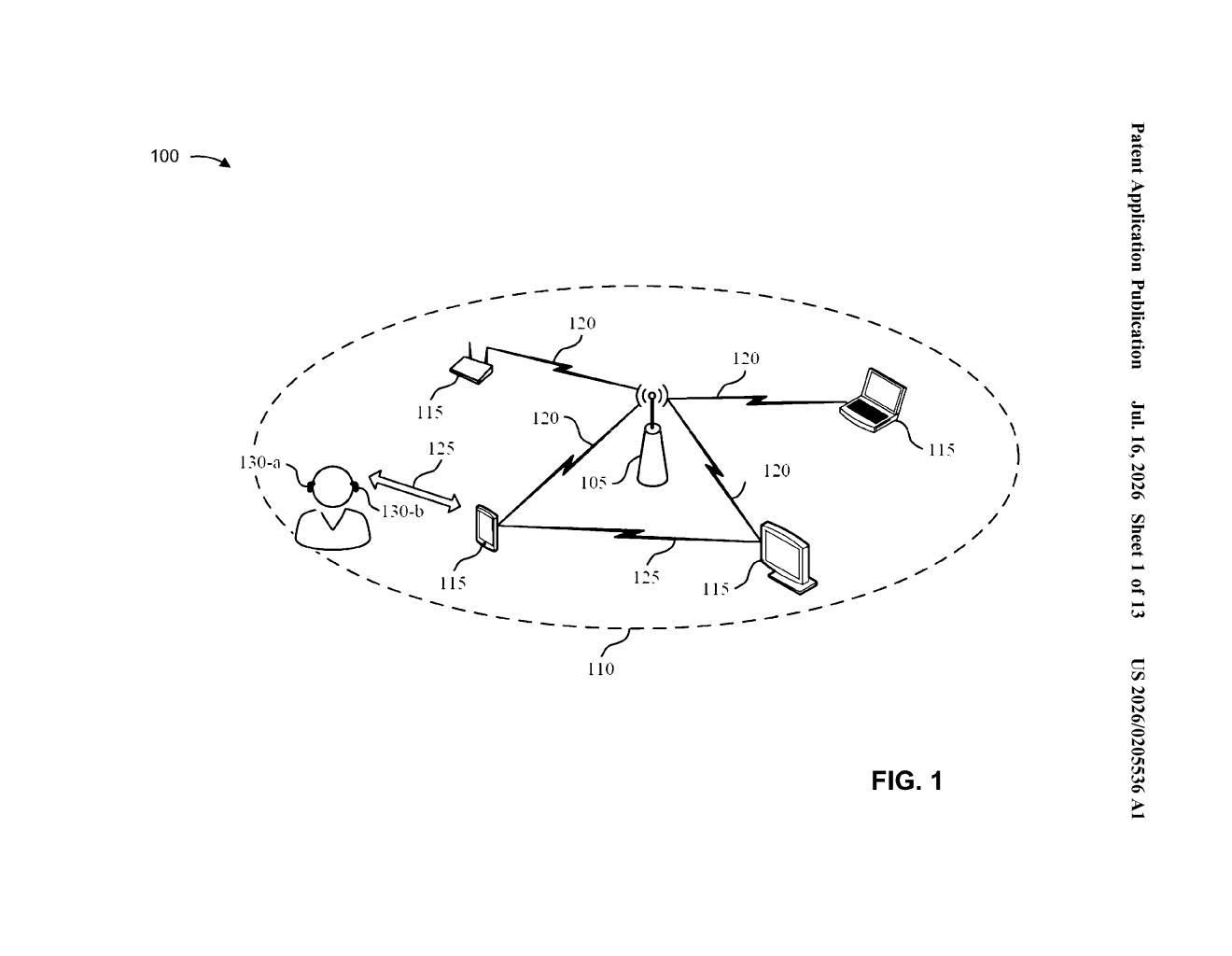
What Qualcomm's mute-mode connection trick actually does
Imagine you're on a work call and you hit the mute button. You're not speaking, but your wireless headphones or earbuds have no way of knowing that. They keep sending audio data back and forth as if the conversation is still happening full-tilt, which wastes battery on both your earbuds and your phone.
Qualcomm's patent describes a system where your phone (or laptop) sends a quick signal to your audio device saying, "Hey, I'm muted." The audio device then responds by sending back empty packets, basically placeholder signals that say "I'm still here" without transmitting any real audio data. The connection stays alive, but both devices do a lot less work.
The result is that muting a call could actually save meaningful battery life on your wireless earbuds, because they're no longer pretending to carry audio that nobody is sending. It's a small coordination tweak, but one that could add up over long meetings.
How empty packets keep the audio link alive during mute
The patent covers a protocol-level change in how wireless audio devices handle mute states. Today, when a user mutes a call on a wireless communication device (WCD) like a phone or laptop, the paired audio device (headphones, earbuds, a headset) typically has no dedicated notification for that state. It keeps operating as if audio transmission is ongoing.
Under Qualcomm's proposed system:
- The WCD detects that mute mode is active and sends an explicit mute indication to the connected audio device.
- The audio device receives that signal and switches its behavior, replacing normal audio packets with empty packets (placeholder transmissions that carry no audio payload but maintain the wireless link).
- When mute is turned off, normal audio transmission resumes.
Empty packets are a standard concept in wireless protocols: they keep a connection synchronized and alive without carrying any real data. The innovation here is using them specifically as a mute-state response, so the audio device can reduce its processing workload while remaining instantly ready to resume audio.
The patent is framed broadly enough to apply to Bluetooth audio, but Qualcomm's chips power a wide range of wireless audio standards, so the approach could apply across different link types.
What this means for wireless headphone battery life
For consumers, the immediate benefit is battery efficiency. Long calls with frequent muting are common in remote work and hybrid meetings, and any reduction in unnecessary radio work during muted periods could extend listening time. The gain likely varies by device and protocol, but it's a real-world scenario that affects millions of people daily.
For Qualcomm specifically, this is the kind of incremental efficiency improvement that chip and firmware makers care about deeply. Qualcomm supplies the wireless audio chips inside many popular headsets and earbuds, so a mute-mode optimization baked into their platform could ship to a large installed base without consumers ever seeing a feature announcement.
This is a narrow, practical patent, not a headline-grabbing concept. But it targets a genuinely annoying gap: wireless audio devices have no clue when you've hit mute, and that ignorance costs battery. If Qualcomm builds this into its audio chipsets, it's the kind of behind-the-scenes fix that makes a product feel more polished without ever appearing in a spec sheet.
There are more where this came from
We read every patent application Big Tech publishes and send you the ones worth knowing. Plain English, free, every week.
Want this weekly breakdown for a company we don't cover? Patentlyze Pro →