
Samsung Patents a Foldable Phone That Reads How Far You've Opened It Before Waking Up
Samsung is patenting a foldable phone that doesn't just wake up when you pick it up. It watches how far you unfold it and decides what to show you based on that angle.
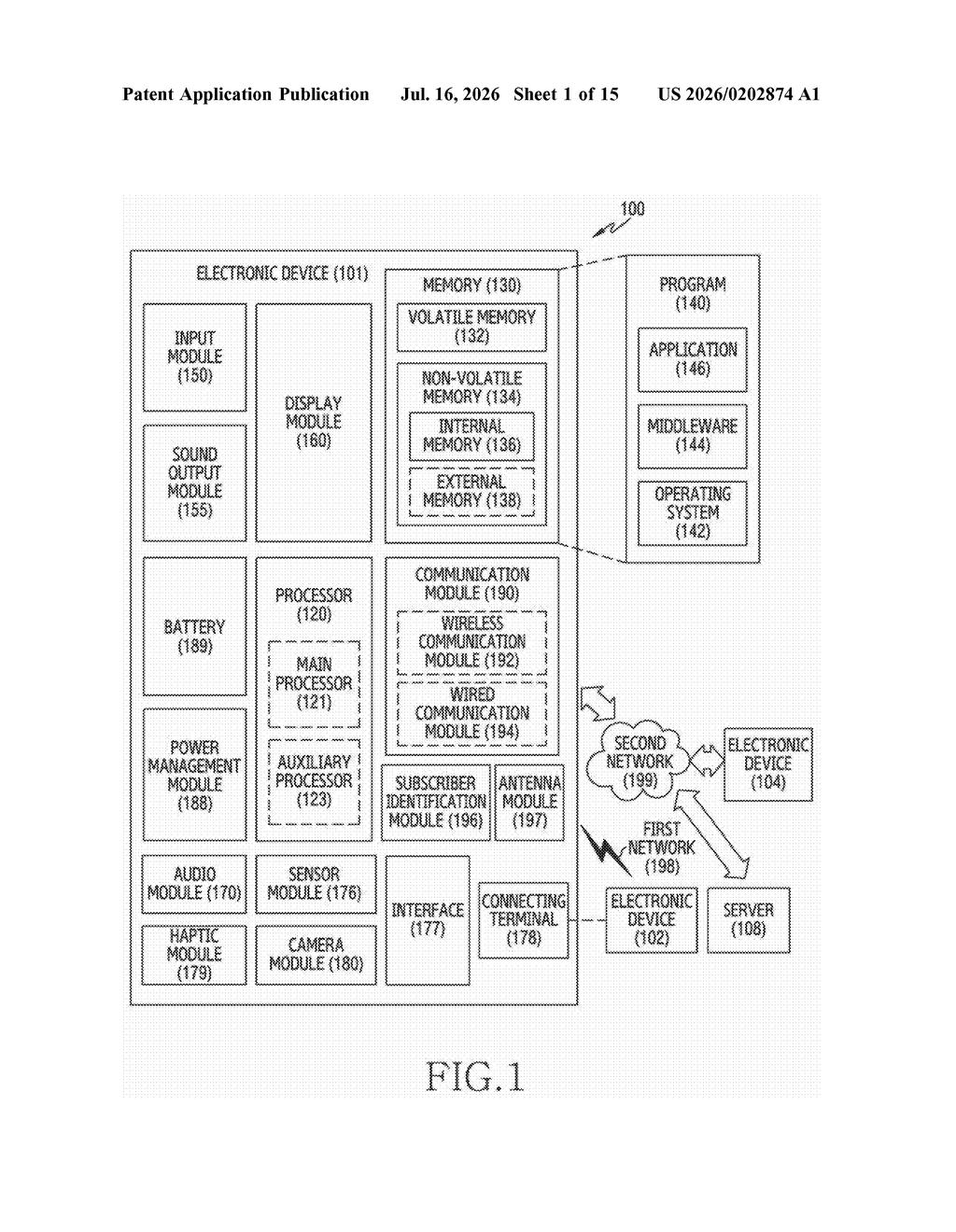
How Samsung's fold-angle wake system actually works
Imagine picking up your folded phone, cracking it halfway open, and your phone already knowing to show you a quick-glance view instead of a full home screen. That's the core idea here.
Right now, most foldable phones either stay asleep until you press a button or wake up the same way regardless of how open the device is. Samsung's patent describes a system where a low-power motion sensor keeps a quiet eye on the phone while it's sleeping. The moment you start moving the device, it wakes a more precise sensor and figures out how much you've opened it before deciding what to display.
If you've only opened it a little, you might get one type of screen. Open it fully, and you get another. The phone is trying to match what it shows you to what you're probably about to do.
How the gyro and accelerometer hand off between modes
The patent describes a two-sensor handoff system designed to save battery while still responding intelligently to how a user physically opens the device.
In low-power mode, the gyro sensor (which tracks rotation and orientation) is turned off entirely to save energy. Only the accelerometer (a simpler sensor that detects motion and movement) stays on, acting as a lightweight tripwire.
When the accelerometer detects that the phone is moving, it wakes the gyro sensor. The two sensors then work together to answer a specific question: has the device moved enough in a meaningful way? The patent calls this checking whether movement satisfies a "predetermined condition."
- If the movement doesn't meet the threshold, the phone goes back to sleep.
- If it does, the phone exits low-power mode and displays a screen chosen based on the measured position or angle of one display panel relative to the other.
In short, the phone isn't just asking "am I being picked up?" It's asking "how open am I right now?" and using that answer to decide what you probably want to see.
What this means for Galaxy Z Fold battery life and usability
For Samsung's Galaxy Z Fold line, battery efficiency is a constant engineering challenge. Running a gyro sensor continuously drains power fast, but turning it off entirely means the phone loses awareness of how it's being held. This patent threads that needle by keeping only the cheaper accelerometer awake until there's a real reason to spin up the more expensive gyro.
The fold-angle-to-screen-content piece is the more interesting user-facing angle. If Samsung ships something like this, your phone could automatically adapt its interface to a partially folded position without you pressing anything. That's particularly relevant for the Z Fold's "flex mode," where the phone props itself up at an angle for hands-free use.
This is solid, practical engineering rather than anything flashy. The two-sensor handoff idea solves a real foldable-phone problem, and tying wake behavior to fold angle is the kind of detail that makes a device feel genuinely thought-through. Whether it makes it into shipping hardware is another matter, but it's clearly iterating on real feedback from Z Fold users.
Get our take in your Top Stories
Liked this breakdown? Add Patentlyze as a preferred source on Google, and our plain-English take shows up more often in your Top Stories the next time Samsung patent news breaks.
There are more where this came from
We read every patent application Big Tech publishes and send you the ones worth knowing. Plain English, free, every week.
Want this weekly breakdown for a company we don't cover? Patentlyze Pro →