
Samsung Patents a Layered Cushion System to Fight Foldable Screen Creases
The crease down the middle of a foldable phone is one of the most persistent complaints from owners. Samsung is now patenting a precise internal cushion system designed to spread that stress more evenly — and keep the crease from getting worse over time.
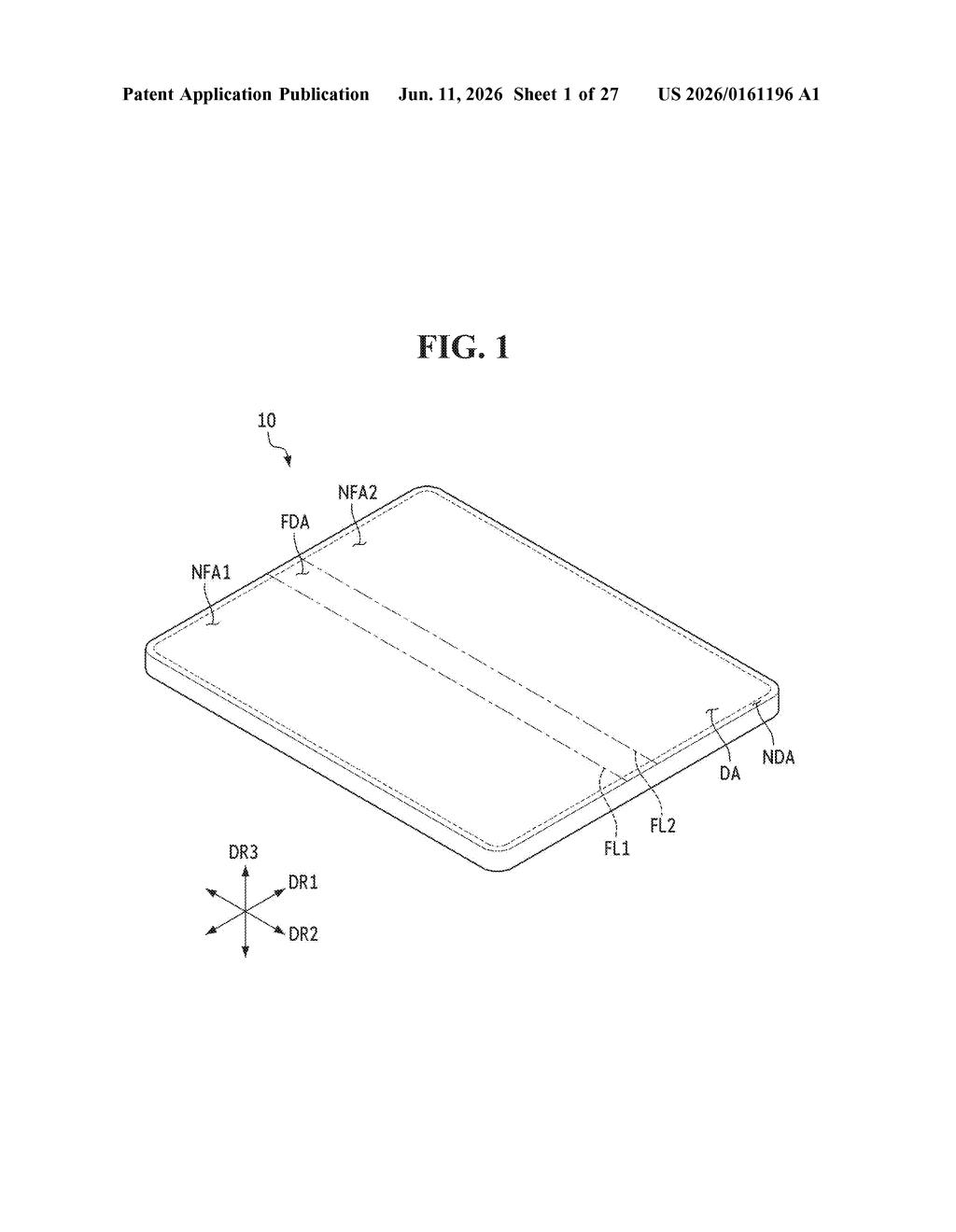
What Samsung's anti-crease fold layer actually does
Imagine folding a piece of cardboard thousands of times. Eventually, a hard crease forms right at the fold line, and the material starts to weaken. Foldable phone screens face the same problem — except the "cardboard" is a delicate display you're paying over a thousand dollars for.
Samsung's patent describes a sandwich of layers sitting behind the foldable display. The key ingredient is a step member — a thin component with tiny raised patterns on it that create small air gaps right where the screen bends. These gaps line up with slots (called slits) cut into the rigid support plate beneath the display. Together, they give the screen room to flex without concentrating all the stress in one spot.
Think of it like the knuckles on your fingers: the joints flex because there's structured space for movement. Samsung is engineering that same idea into the fold zone of a phone screen, using a precisely shaped elastic layer to absorb and distribute the bending force.
How the slit-and-step structure absorbs fold stress
The patent describes a multi-layer stack behind a foldable display panel. From the screen outward, the layers go: display panel → adhesive member → panel support member → step member → elastic member.
The panel support member is the rigid backbone of the phone, but in the fold zone it has slits (narrow gaps cut through the material) separated by thin bars. This slit-and-bar pattern is a well-known approach to making a rigid plate flex without snapping — like cutting slots in a stiff ruler.
What's new here is the step member sandwiched between the support plate and an elastic (springy) backing layer. The step member has raised step patterns spaced apart from each other. Those gaps between the raised patterns create open spaces that are deliberately aligned with the slits in the support plate below.
- The spaces give the slit zones room to open and close as the phone folds.
- The elastic member behind everything acts as a spring, pushing back and helping the screen return to flat.
- The step patterns prevent the elastic layer from collapsing flat against the support plate and blocking those critical flex zones.
The net effect is a more controlled, evenly distributed bend — reducing the point-stress that causes permanent creasing.
What this means for the next Galaxy Z Fold
Foldable phone buyers have lived with a visible crease at the fold line since the first Galaxy Z Fold launched in 2019. It's cosmetic, but it's also the most visible sign that something structurally different — and arguably fragile — is happening inside the device. Every generation of Samsung's foldables has made incremental progress on softening it, but the crease has never fully disappeared.
This patent suggests Samsung is still actively engineering at the layer-by-layer level to solve it. If this structure makes it into a production device, you might eventually hold a foldable phone where the fold line is barely noticeable — which would remove one of the last credible reasons people cite for skipping foldables entirely.
This is serious mechanical engineering work on a problem that genuinely limits foldable phone adoption. It's not flashy — you'd never see this layer in a marketing video — but creasing is the one flaw that makes foldables feel like compromised devices. A structural fix at this level, if it scales to production, matters more to real buyers than most spec bumps.
There are more where this came from
We read every patent application Big Tech publishes and send you the ones worth knowing. Plain English, free, every week.
Want this weekly breakdown for a company we don't cover? Patentlyze Pro →