New Samsung Patents For Their Foldable Phones, and what they tell us
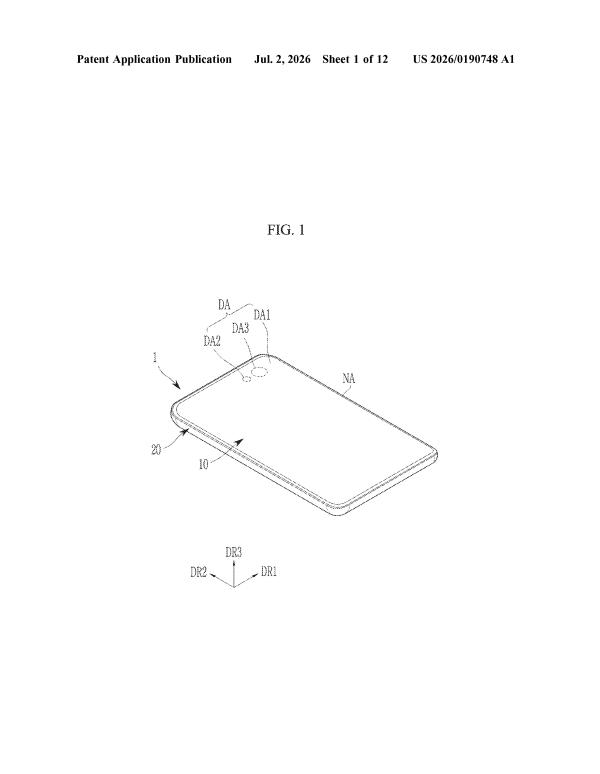
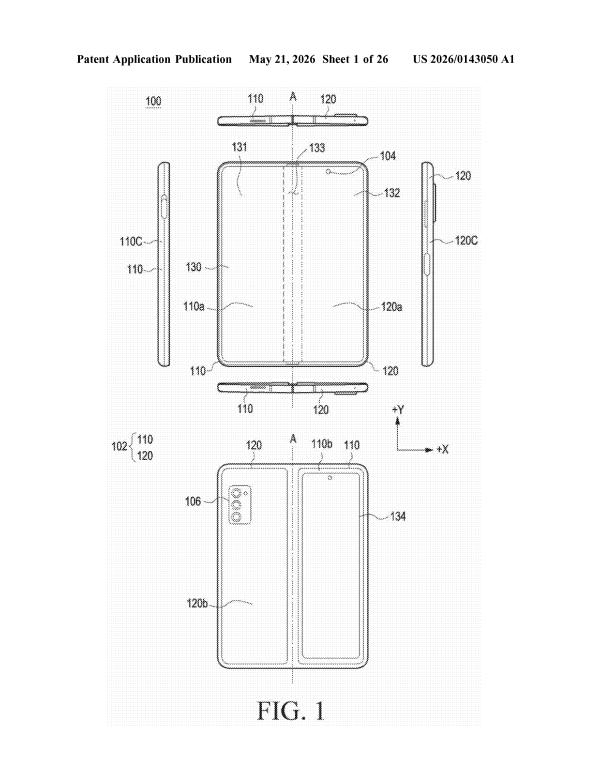
This watchlist tracks Samsung's filings on foldable phone hinges, flexible circuit boards, display covers, camera shielding, and screen software for folded and rolling devices. Together they point to a company treating durability and everyday usability as separate engineering problems that need separate fixes.
76 filings
· tracking since May 2026 · latest Sep 2026 · updates weekly
based on all tracked filings in this watchlist · refreshes every week
Samsung's filings here are almost entirely focused on making folding screens hold up over time, covering everything from the glass itself to the glue, foam, and seals that keep the screen from cracking or peeling at the fold.
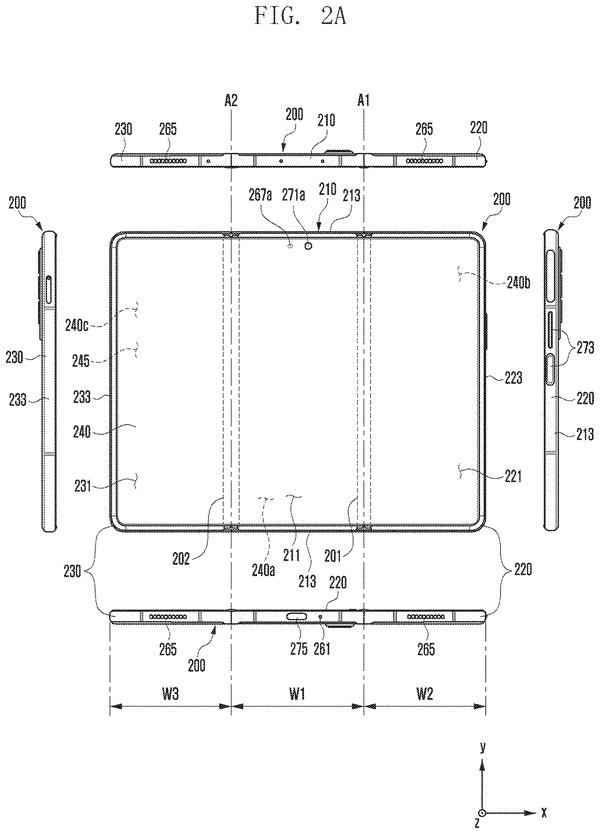
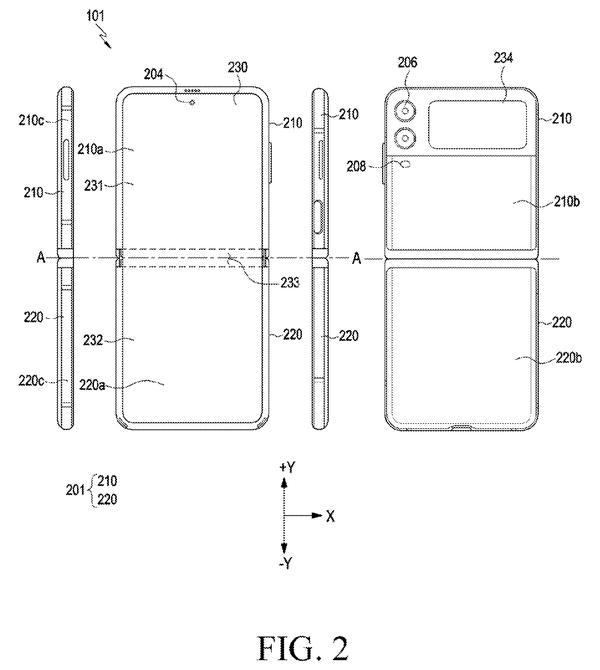
The heaviest concentration is on screen protection and hinge mechanics, with multiple filings tackling how to stop the fold point from breaking and how to keep the hinge working smoothly across different folding styles.
What’s new in Samsung's foldable phones
a dated entry each week this watchlist moves · older entries stay archived
Sep 17, 2026 5 filings joined
This week's filings focus on keeping foldable phones protected and functional. Samsung filed patents covering waterproofing, a hinge that holds the screen safely, smarter batteries, and motors that do double duty.
Most new filings this week focus on how the phone behaves differently depending on how far open it is, adjusting apps, vibration, and screen speed. One filing also explores showing two separate windows on the small outer screen.
Both new filings focus on protecting the folding part of the phone. One covers a two-part seal to guard the screen, and the other looks at keeping more of the phone's features working across the fold.
Aug 27, 2026 5 filings joined
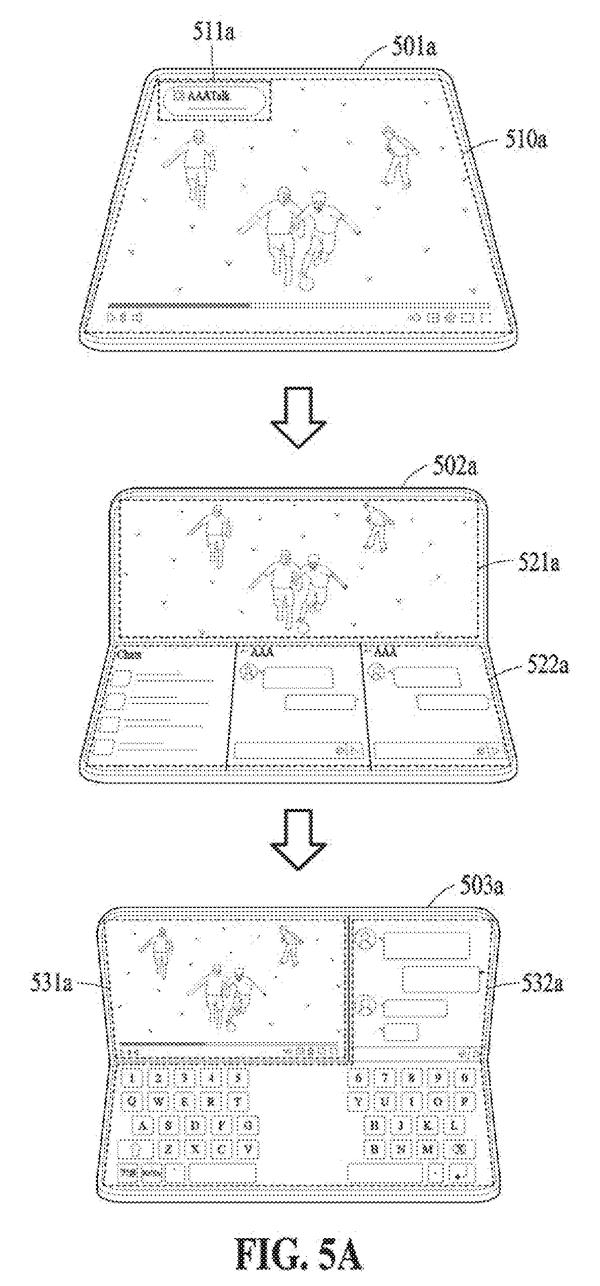
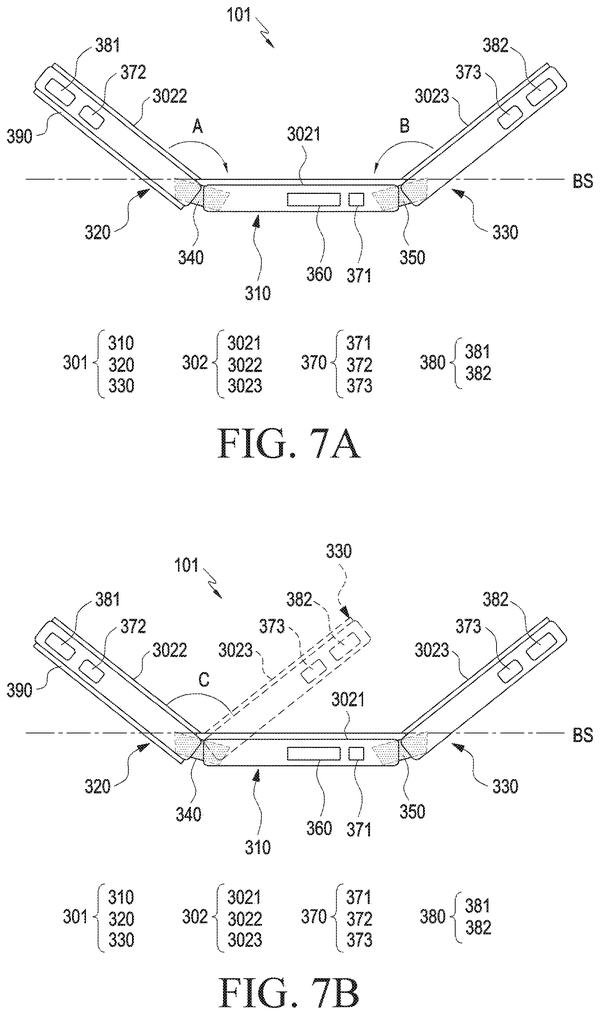
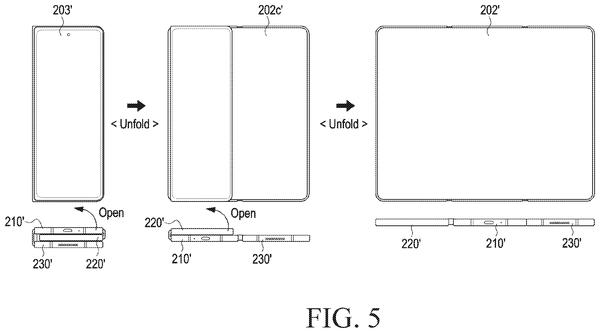
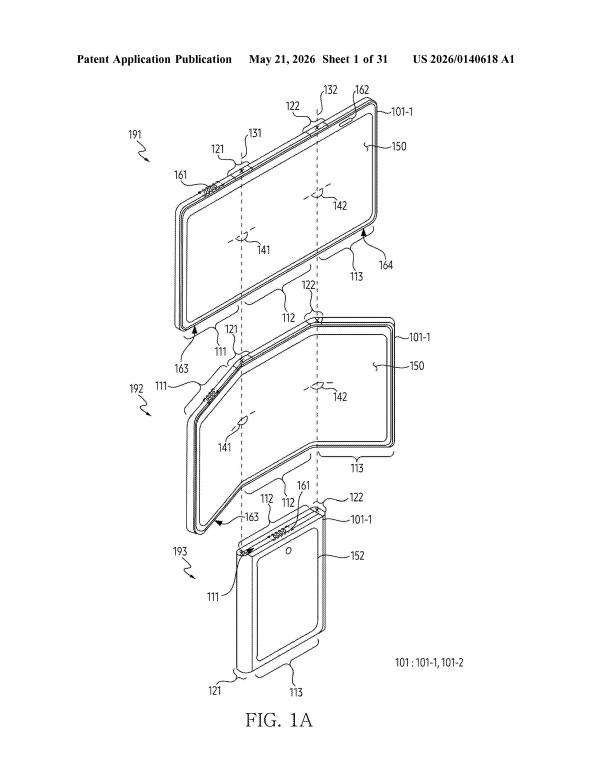
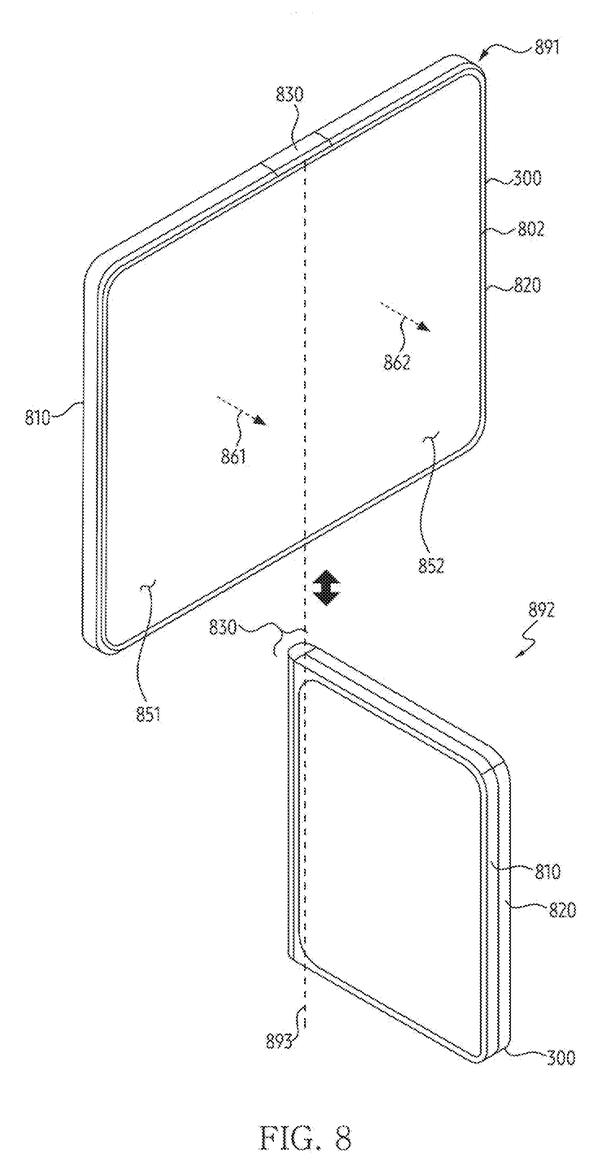
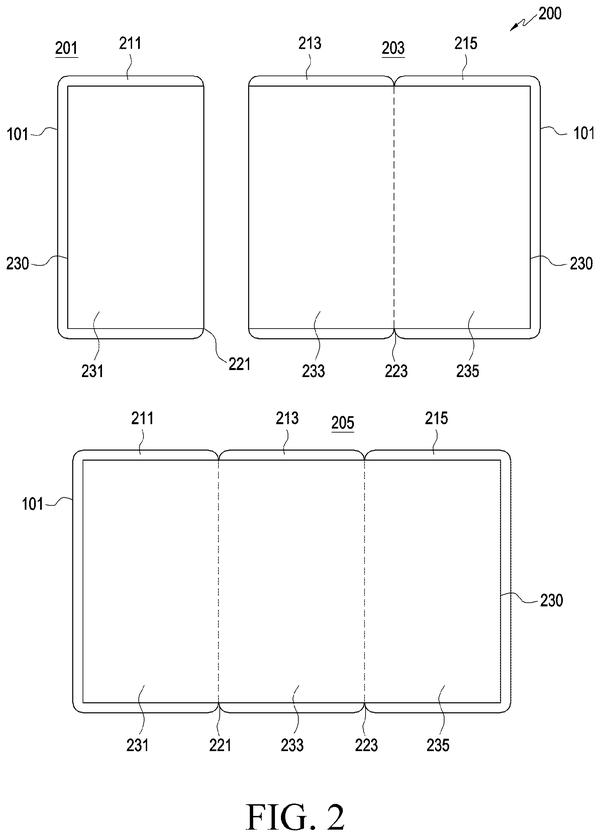
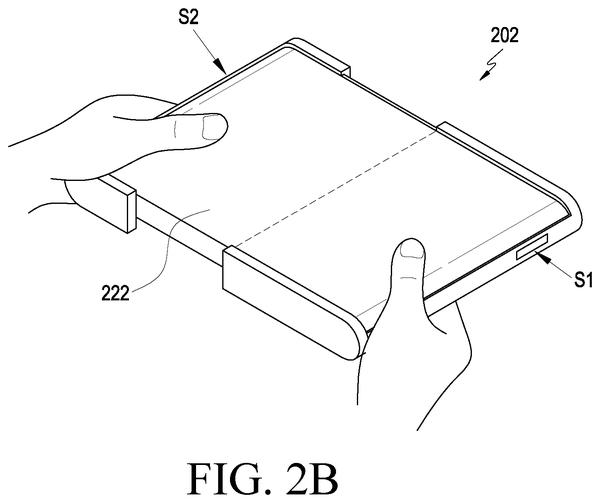
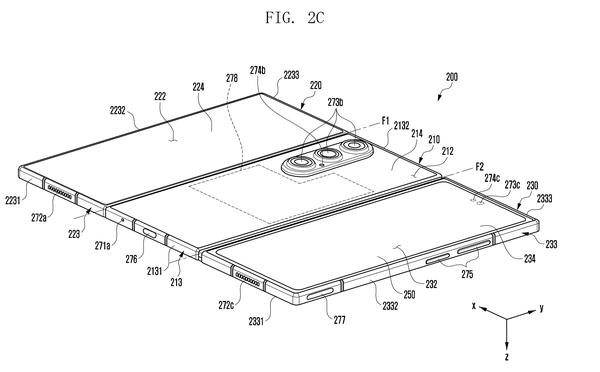
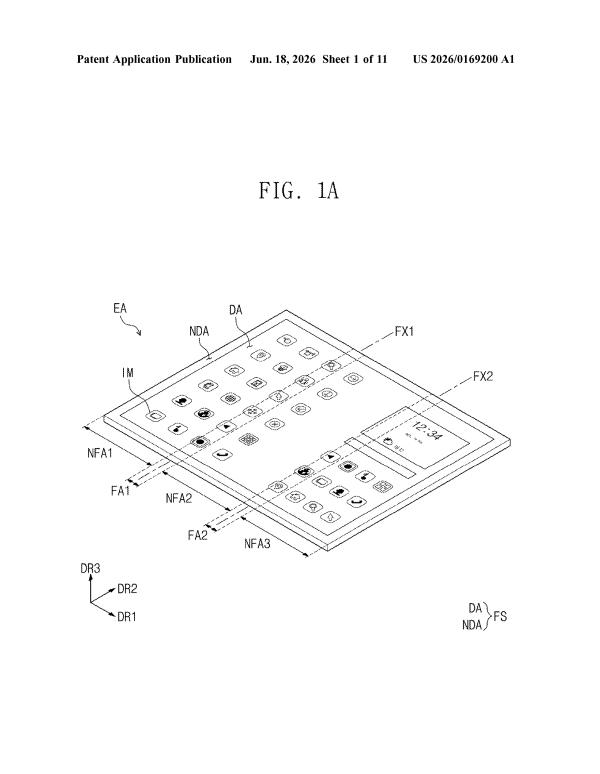
Most of this week's filings focus on stopping foldable screens from cracking, with two separate ideas for toughening the fold point and a third for supporting flexible screens. The other two cover a phone that folds twice with a camera system to match, and a three-panel phone that moves apps around when you open it up.
Aug 20, 2026 8 filings joined
Most of this week's filings focus on the physical parts that hold a foldable phone together, like the hinge, the screen layers, and the glue. A few others tackle side effects of folding, such as unwanted screen touches, rainbow patterns on the glass, and where to fit the antenna when space is tight.
the problems Samsung keeps filing on · each with its three newest filings · new filings join every week
Hinge and Fold Mechanics 13 filings
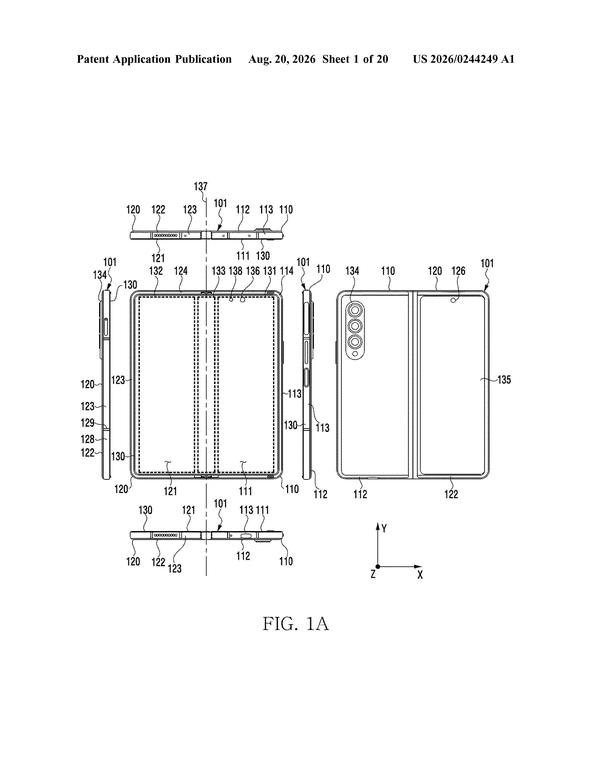
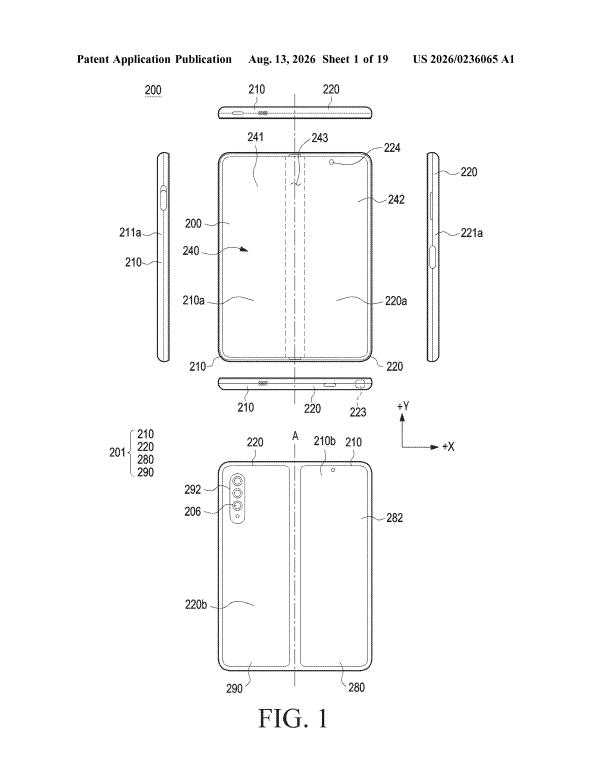
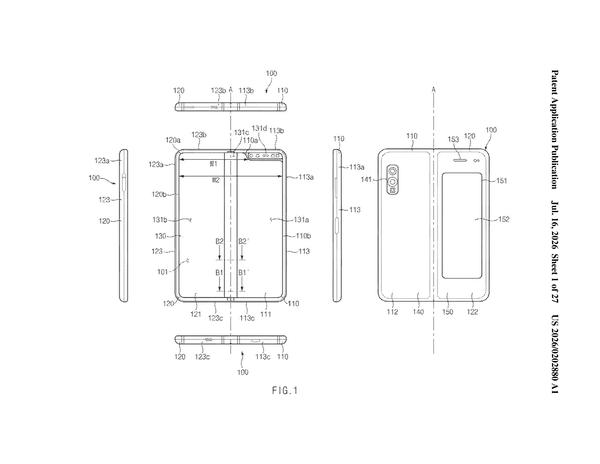
Every foldable phone has a weak point where it bends, and that joint has to hold the screen flat, block dust, and survive thousands of opens and closes. These filings cover hinge locks, dust barriers, crease-reduction layers, and systems that sense how far the phone has been opened.
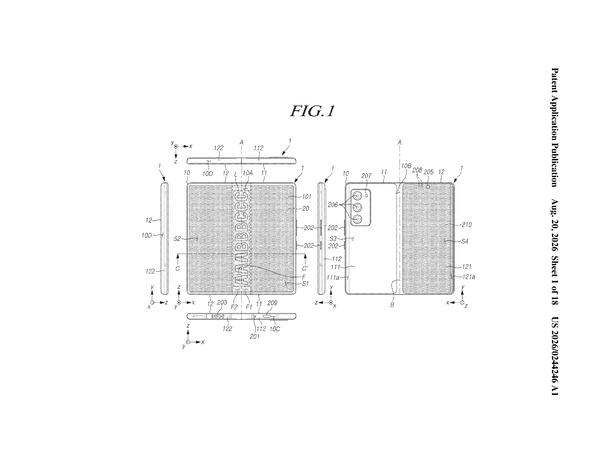
Flexible screens crack, crease, and wear out faster than rigid ones, so the materials and layers inside them matter enormously. These filings look at bendable glass, flexible circuit boards, crack-resistant coatings, and layered window stacks built to handle repeated folding.
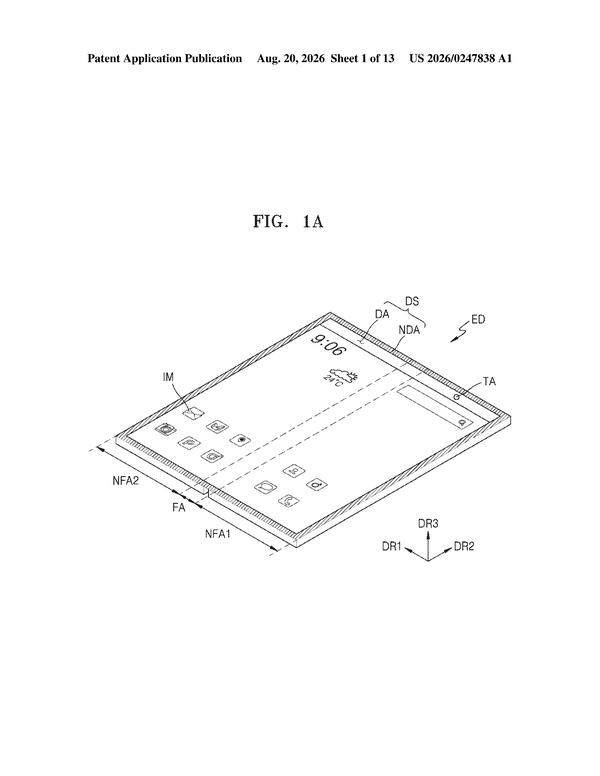
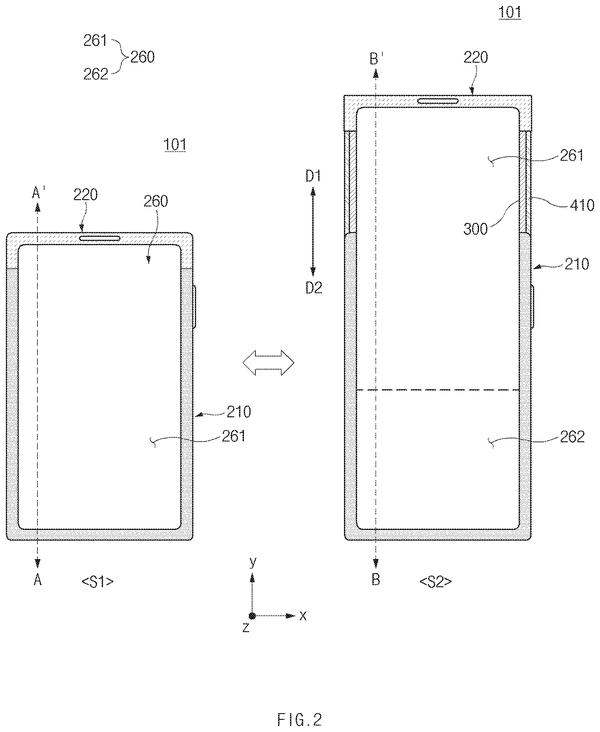
Some phones fold at two points or slide open to reveal extra screen, which creates new problems around how the display moves and how apps use the extra space. These filings cover tri-fold layouts, sliding rail systems, and software that decides what to show on each panel.
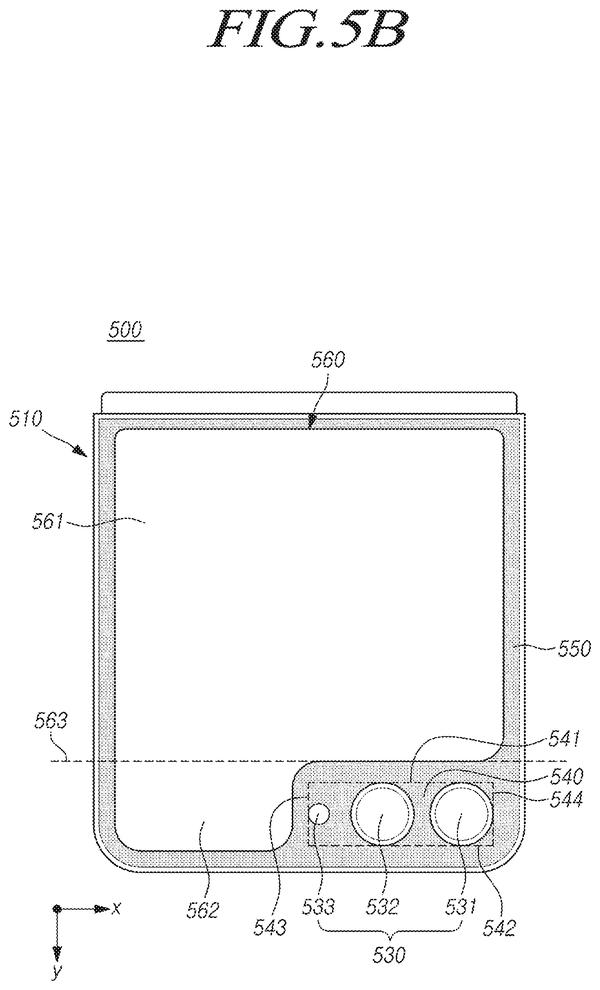
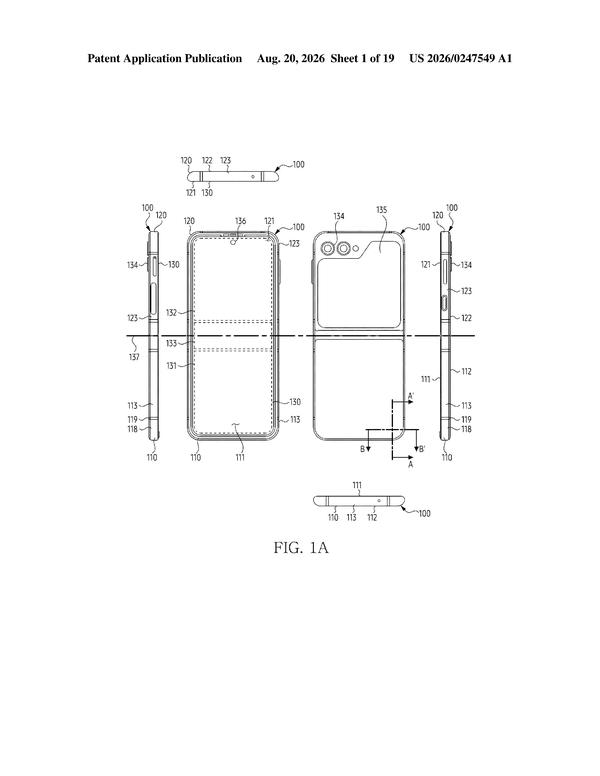
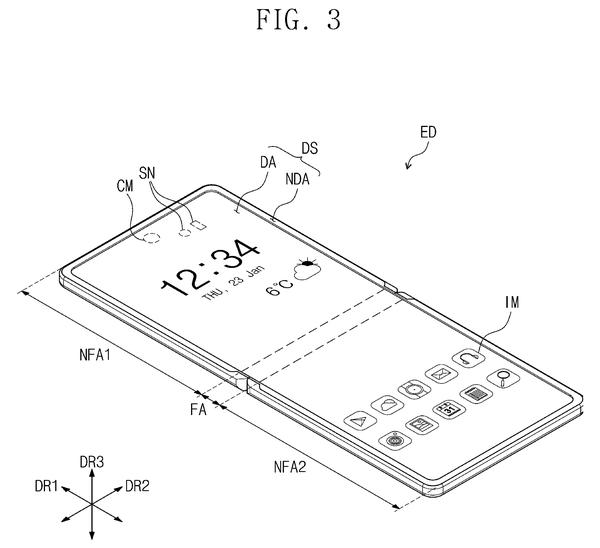
The small screen on the outside of a folded phone has limited space, so how it responds to touch and what it shows matters. These filings cover lock screen layouts that work in two directions, widget systems that shrink to fit, physics-style animations, and a display that shows port icons next to the actual ports.
A foldable phone needs to know how it is being held before it can respond correctly. These filings cover reading the fold angle before waking the screen, two-step checks to avoid misreading position, and dimming one display half to save power.
Fitting all the parts of a phone into a body that folds in half means rethinking where circuits, boards, and wires go. These filings cover routing electrical wiring through the display backing, recessed circuit board layouts for thinner bodies, and stretchy materials that keep circuits working when bent.
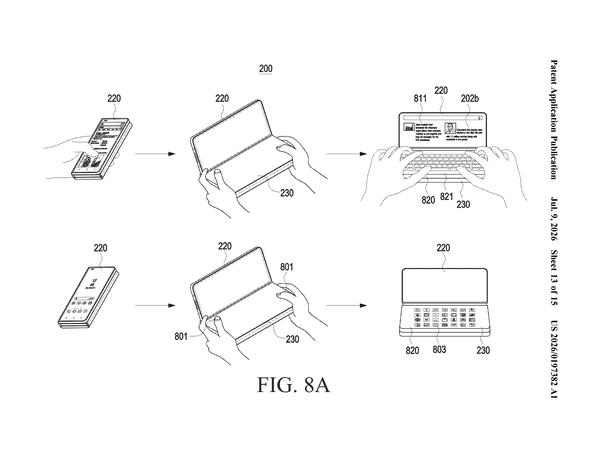
A tri-fold's screen panels automatically reconfigure based on detected nearby devices like keyboards or displays, eliminating manual layout adjustments after unfolding.
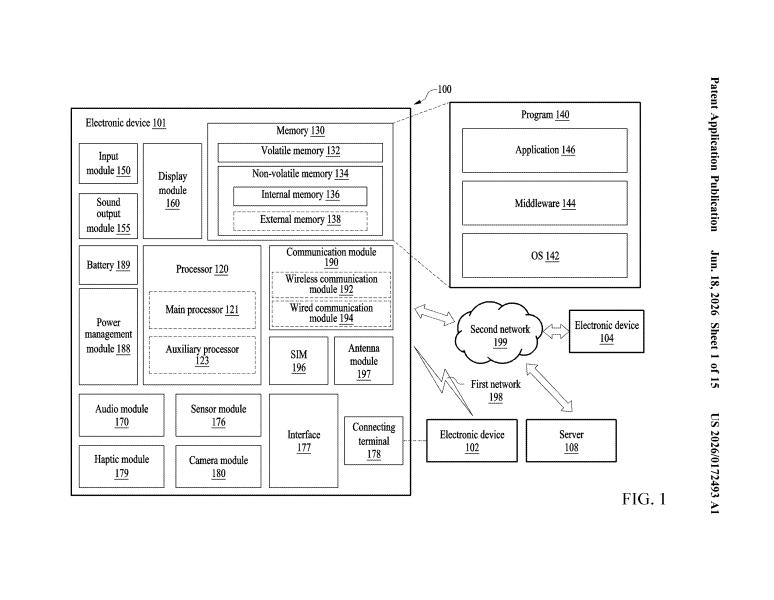
Folding phones need a burst of power every time the screen moves, and Samsung is patenting a clever way to rewire the batteries on the fly to deliver it without killing battery life the rest of the time.
A single motor driving both screen extension and haptic feedback eliminates redundant components in sliding phones, freeing up space and power budget in devices where physical expansion already demands careful engineering.
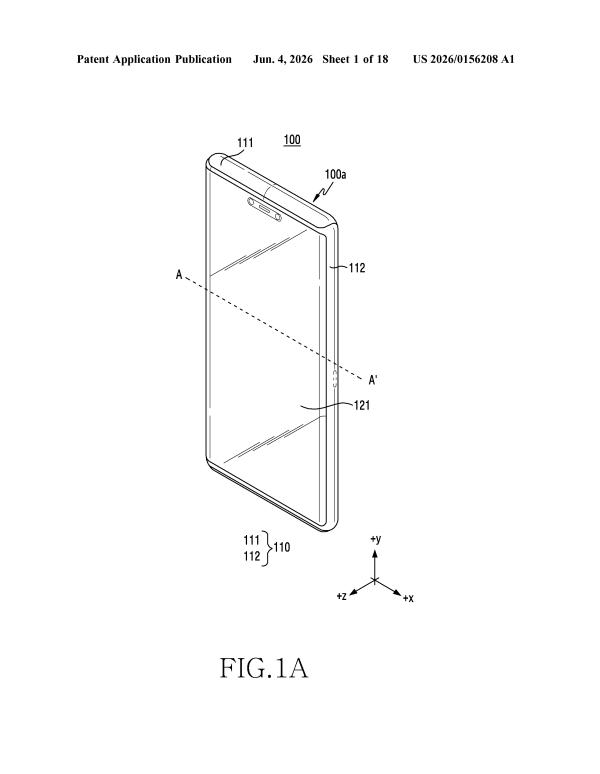
The dual-screen design creates a vulnerable seam where the outer and inner displays meet. This patent proposes a three-layer seal specifically for that junction, moving beyond the hinge-focused waterproofing Samsung has pursued before.
Samsung has been working to protect the display itself during the fold. This patent shifts focus to the hinge mechanism's role in physically accommodating the screen's curve, preventing creasing by creating space rather than forcing compression.
Screen software that reads fold angle to auto-route notifications and actions eliminates the interrupt-and-switch workflow on partially opened devices.
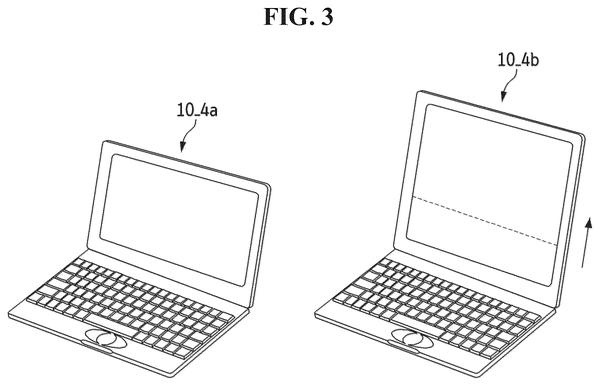
Splitting a foldable's outer screen into two independent zones lets users run separate apps without unfolding, solving the cramped real estate problem that currently limits what the cover display can do.
Vibration feedback during partial-fold states requires independent motor control per panel. This filing shows Samsung assigning separate haptic drivers to each wing, letting the device modulate intensity based on real-time hinge position data.
Digitizer durability in repeated fold cycles requires reinforced sensor layers to survive thousands of flex events without electrical failure or responsiveness loss.
Keeping three panels evenly aligned during closure requires magnets positioned across all housing sections, not just at the edges, a constraint that grows more complex as fold count increases.
Foldable phones could maintain more active circuits across the fold without adding bulk or stress points. Samsung's compression approach reduces the number of physical connections that must survive repeated hinge flexing.
Dual polymer layers at the display edge create a graduated seal that absorbs repeated folding stress while blocking dust and moisture ingress where the screen meets the frame.
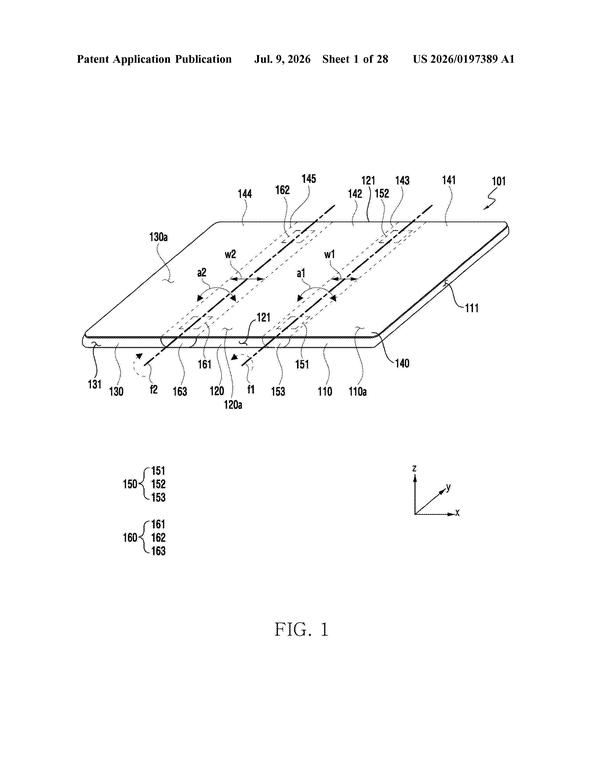
Glass brittleness at the hinge crease demands a material that yields without fracturing. Samsung's pattern of parallel slits lets the glass bend incrementally rather than snap under repeated folding stress.
Watching video on an expanded screen means speakers fixed to the device frame end up off-axis from the display. Samsung's system detects screen size and adjusts audio balance to compensate for the new speaker-to-viewer geometry.
The crease has been the failure point all along. This backing plate in fiber-reinforced composite distributes stress away from the fold itself, moving toward solving durability at the physical weak spot.
Splitting camera duties across three panels keeps the front-facing camera on the outer section, ensuring it stays accessible regardless of fold position on a dual-hinge device.
Software behavior during unfolding: the patent proposes prompting users to switch apps at each fold stage rather than auto-scaling the current one to the larger screen.
Samsung has shifted from mechanical hinge design toward material composition, embedding a counterintuitive foam layer that expands under compression to distribute stress across the crease zone rather than concentrating it at a single point.
A corner magnet with a hole through it lets manufacturers confirm the seal seated properly during assembly without disassembling the phone, replacing destructive quality checks.
A three-panel layout forces the software to decide which touches count when hinges are moving. Samsung's solution freezes input on panels that are mid-fold, letting only fully open or fully closed sections register taps.
A dual-adhesive layer under the display lets Samsung keep structural support right up to the fold without creating hard edges where the screen bends. This directly addresses the soft-crease problem that plagues current foldables.
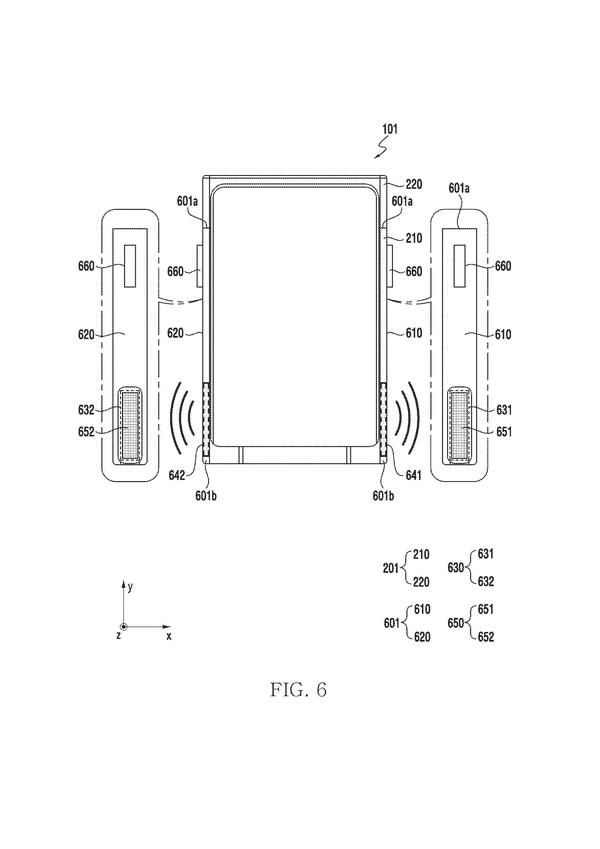
Samsung's sliding mechanism patents now include audio routing: embedding speakers in the rail itself rather than claiming separate internal volume solves the space crunch that plagues expanding phones.
Samsung's hinge work has centered on mechanical simplicity. This filing shows the company pursuing passive resistance through gear geometry and spring tension, eliminating the need for active control systems entirely.
A patterned cover glass layer offsets its grid alignment to break up moiré interference where the display bends, directly suppressing the rainbow shimmer that forms at the crease during unfolding.
Samsung's antenna dead zone in the hinge now has a proposed fix: patch antennas embedded in the hinge itself would keep the signal alive when the phone is folded or propped halfway open.
Keeping paired display panels aligned during folding requires distributing rotation across multiple axes rather than a single pivot point, which this filing confirms as Samsung's approach to eliminating creases.
Sliding screens require bezels and frame geometry that don't crack or bind as the display extends. This filing maps how the trim pieces stay sealed during the motion.
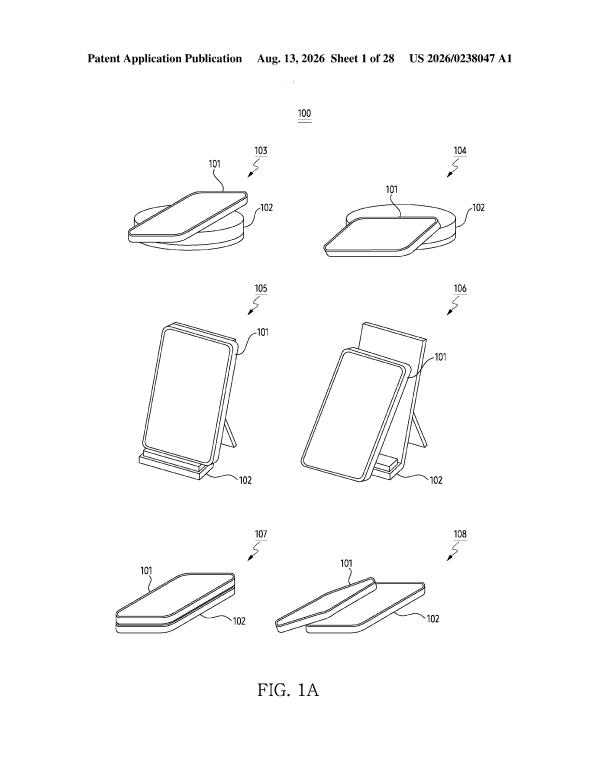
A foldable's charging coil sits in just one half, making placement critical. Samsung's solution uses real-time power feedback to guide users into the right position on the pad, solving what could become a major friction point in daily use.
Audio quality when folded has been a gap in Samsung's hinge designs. This filing proposes a dual-speaker system that routes sound outward regardless of phone position.
A sliding magnet that repositions itself based on the fold angle solves the multi-panel alignment problem, keeping all three sections locked in place without extra mechanical parts cluttering the design.
A rigid edge guard that seats onto the internal support plate isolates the display perimeter from frame contact during folds, directly addressing the stress concentration that causes lifting and cracking at the screen's most vulnerable junction.
Samsung's hinge designs and flexible components now extend to haptic feedback. The patent describes motors that adjust vibration intensity based on fold state, ensuring consistent notification feel across open and closed configurations.
Samsung's power-efficiency work on foldables now extends to display brightness management: the device can detect partial-fold positions and dim whichever screen panel faces away from the user, cutting wasted backlight on unused portions.
The hinge and flexible circuit board patents establish how foldable phones bend; this filing extends the concept to the semiconductor layer itself, replacing rigid chips with stretchable polymers that maintain electrical function through repeated flexing.
The reinforcement layer positioned within the display stack itself shifts strategy from protecting the screen from outside impact to engineering strength into the folding mechanism's core structure.
Signal loss when folded has been a persistent challenge in Samsung's hinge work. This filing proposes using the stacked antenna pair as a single coordinated system rather than fighting interference between them.
A sealed hinge means the fold itself stops being a dust trap, which extends the device's working life between repairs and keeps the mechanism responsive through years of opening and closing.
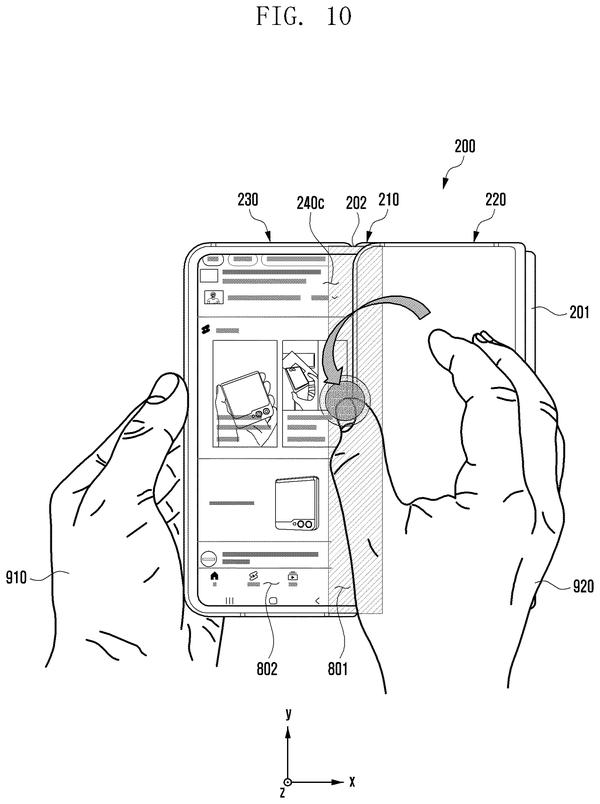
A three-panel phone needs to know which panels face outward at any moment. Samsung's solution embeds sensors to detect panel orientation, then routes apps to whichever screens are actually visible instead of scattering them across all three.
Keeping fully unfolded phones rigid requires mechanical engagement beyond hinge friction alone. Samsung's locking mechanism uses notched arms that catch and hold when the device reaches flat, eliminating wobble at full extension.
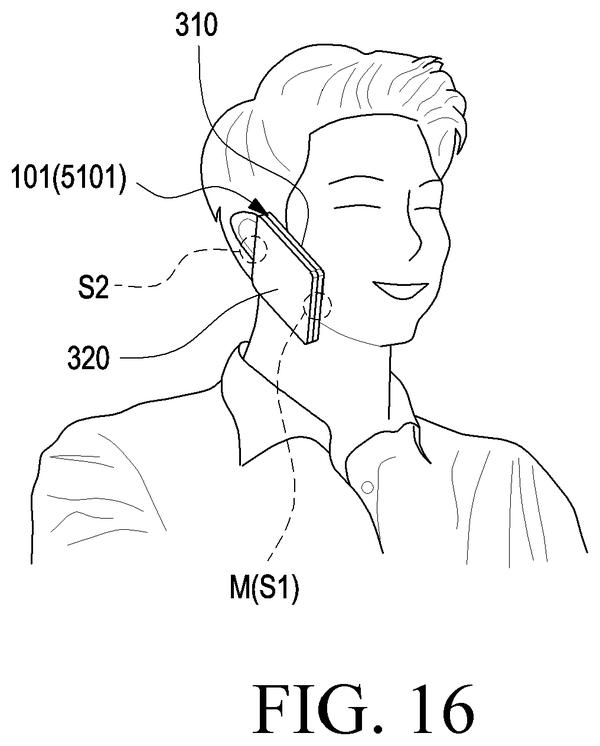
A folded phone could wake and adjust its interface based on opening angle, eliminating the need for a separate unlock gesture when users partially unfold the device.
A hinge-angle sensor tells the device whether to auto-shift an app to the inner screen or keep it on the cover display when unfolding, replacing today's inconsistent behavior with user-configurable rules per application.
Samsung's hinge-crossing wiring has required exposed cables that flex with each fold. This filing embeds those connections into the display backing itself, removing a repeated stress point from the mechanical cycle.
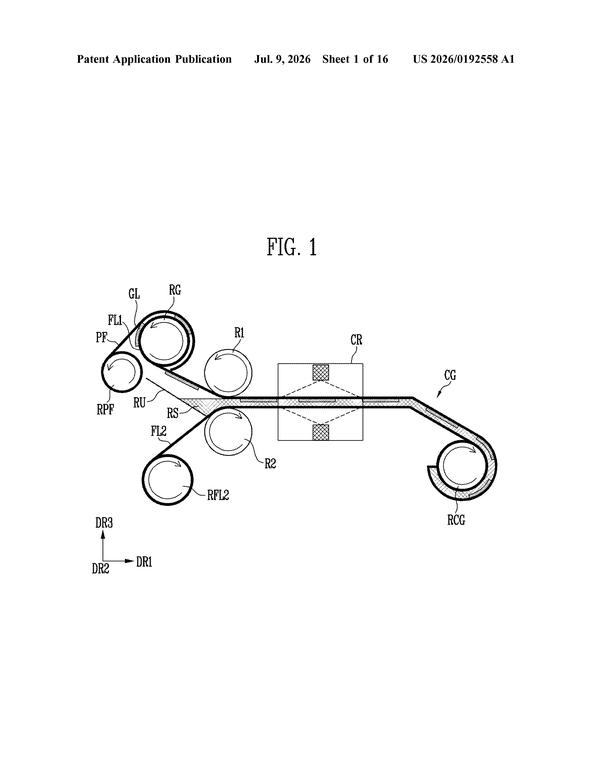
The watchlist so far focuses on hinges and flexible materials. This filing moves upstream to manufacturing: Samsung is automating how it produces the glass sheets that will eventually bend in those hinges, removing manual wrapping that introduces defects.
Magnetic position sensors alone can misfire near metal objects or magnetic cases. Samsung's dual-check approach pairs magnet detection with an angle sensor, requiring both to confirm the phone's folded state and prevent false state changes.
Foldable phones split their power systems across two battery packs. This filing describes how Samsung routes incoming charge to each pack independently, solving the coordination problem that arises when both need power simultaneously.
A buffer layer at the cable-screen junction absorbs stress from repeated folding, targeting the connection point where flexing historically causes signal failures in foldable displays.
A conductive layer within the flexible display itself becomes the antenna, eliminating the need for a separate metal strip and freeing up space in the already constrained hinge area.
A segmented metal strip running through the middle hinge section maintains antenna continuity across fold points, avoiding the dead zones that interrupt signal in multi-hinge designs.
A momentum-based swiping system lets users flip through multiple widgets on the cover screen with a single flick, scaling the page count to swipe velocity rather than requiring discrete taps.
A shaped guide head that locks into the frame rail prevents the sliding display from rattling sideways or binding up, solving the tolerance problem that plagues moving screens at phone scale.
A conductive edge guard routes static charges safely away from the display's curved transition point, preventing the voltage spikes that can damage pixels where the screen bends around the frame.
A rail-and-groove locking system keeps the phone's halves aligned during repeated folding, preventing the uneven stress on the flexible screen that causes creases and cracks over time.
A wider unfolded screen means more display real estate without making the device longer. This design spreads the bending stress across two hinges instead of concentrating it at one point, potentially improving durability.
Making the screen surface feel consistent across the fold requires varying the material thickness under the glass, thinner at the bend point, thicker elsewhere, to compensate for how the cover layer stretches unevenly.
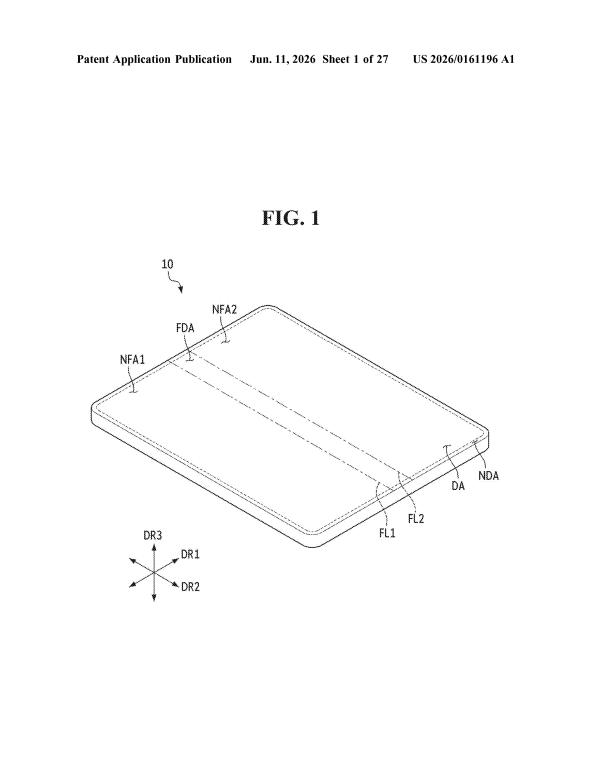
The watchlist has focused on hinges and circuits; this filing shifts to the display surface itself, showing Samsung is working to make the glass covering the screen flex without fracturing during the fold.
The dual-fold design introduces a new durability challenge: protecting two separate crease zones without the trade-off between stiffness and scratch resistance that a uniform coating forces.
A patterned cut in the glass panel creates flex zones at the hinges while keeping the display rigid elsewhere, letting a single screen work across multiple folds without cracking.
Keeping the display from fatiguing under repeated folding requires distributing pressure evenly across the bend zone. Samsung's layered cushion system absorbs and redistributes stress so the crease doesn't deepen with regular use.
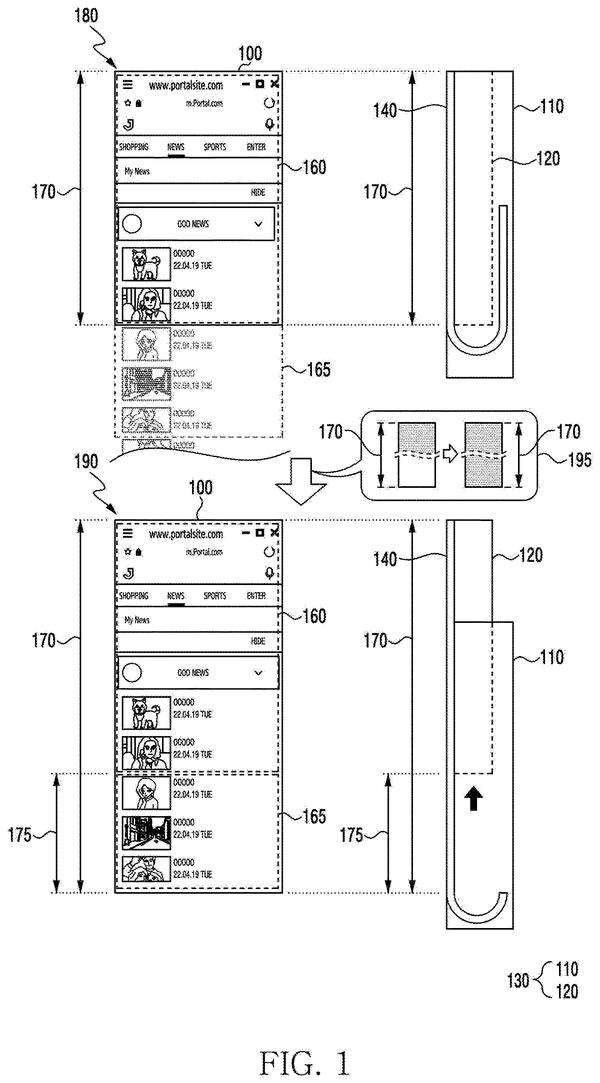
The rollable display filing shows Samsung's approach to a mechanical problem absent from hinged foldables: keeping pixels sharp during the physical extension itself, not just before or after.
Keeping glass on the fold surface without cracking requires removing stress points where the bend happens. Samsung's grooved edges redirect pressure away from weak zones, potentially letting glass replace plastic on folding screens.
A proximity sensor in the hinge detects each phone's fold angle and broadcasts it wirelessly, letting the paired devices automatically split content based on which is open flat versus partially creased.
A foldable phone's hinge creates a dead zone where stylus tracking typically fails. This patent's dual-layer sensor design extends detection across the flexible crease, letting users write continuously from top screen through the bend to bottom screen.
The dual-fold design pushes beyond single-crease phones by varying glass thickness where each fold occurs, matching the different stress loads at a tight clamshell bend versus a gentler arc.
A tri-fold layout would create two creases instead of one, making them harder to ignore visually. Turning those lines into touch-sensitive input zones could let users interact with the device without looking at a screen.
Interlocking spiral rotors that mesh and slide together offer a way to synchronize the two halves' motion during folding, potentially reducing the grinding and wear that degrades hinges over repeated use.
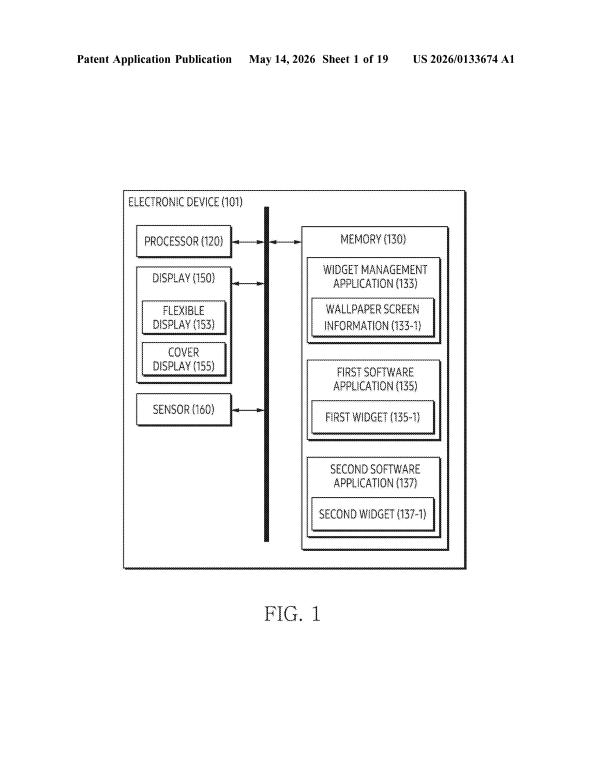
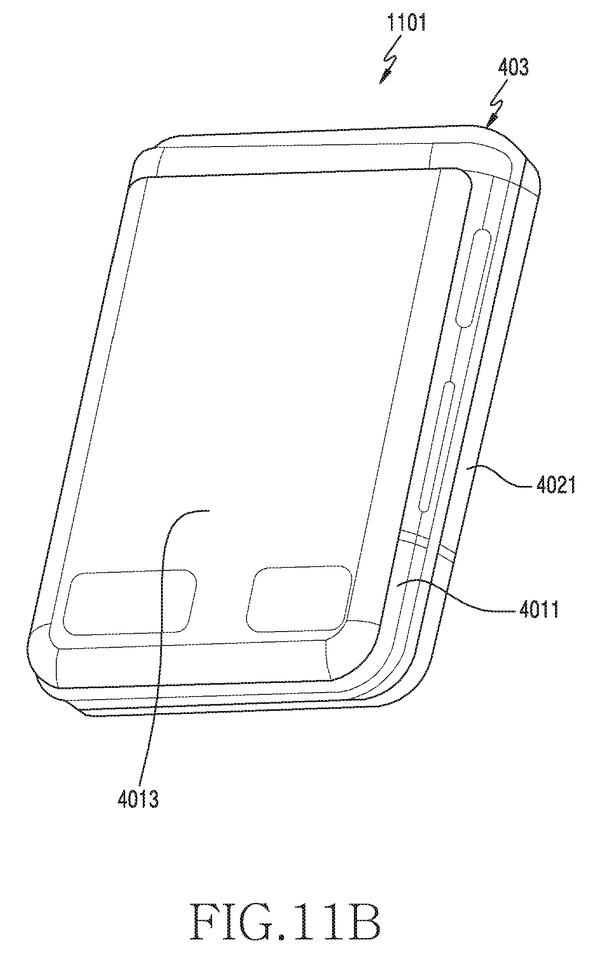
A smaller cover display needs every pixel to work harder. This patent lets widgets compress without dropping their live updates, solving how to fit multiple active tools on a phone's front screen without forcing users to choose between them.
The circuit routing challenge gets a concrete answer: Samsung recesses the PCB connectors into the phone body itself, letting the flexible cables run shorter paths without forcing the hinge zone thicker.
A foldable's split screen creates dead zones where users can't see status info. This patent routes charging alerts and port data to whichever display section actually faces the user, eliminating the need to unfold the phone just to check what's plugged in.
Lock screen navigation on folded vs. Unfolded states needs different gestures. This filing explores using swipe direction to switch between wallpaper browsing and widget management without mode-switching.
The watchlist has covered hinges and screens; this filing shows how Samsung is reinforcing the actual wiring that has to flex millions of times. The layered PCB design is meant to prevent the fatigue cracks that degrade signals over a phone's lifespan.
Keeping a sliding screen mechanically stable as it extends requires hidden guide rails beneath the display. Samsung's filing shows how precise alignment hardware can prevent the flexible panel from warping or drifting during repeated deployment.
A two-layer film window distributes stress across the fold zone instead of concentrating it in a single material, reducing creasing and crack propagation over repeated cycles.
Magnetic shielding around the camera module prevents the closure magnets from disrupting autofocus and image stabilization, directly solving interference that degrades photo quality in folded devices.
Questions readers ask
What problems are Samsung's foldable phone patents trying to solve?
The filings mostly target hinge durability, screen and circuit board stress from repeated folding or sliding, and small usability gaps like showing port locations on a folded screen or protecting cameras from hinge magnets. They show engineering attention split between making the mechanism last and making the folded phone easier to use day to day.
Do these patents mean Samsung will release a rollable or tri-fold phone?
Not necessarily. Patent filings describe engineering ideas a company is protecting, not confirmed products. Samsung has filed on rollable display speed control and a tri-fold screenshot gesture, which shows active research into those formats, but a filing is not a launch announcement or a release date.
Why do so many filings focus on the hinge?
The hinge takes the most repeated mechanical stress in a foldable phone, so it shows up across several filings, including a hollow-shaft design, a spiral-driven mechanism, and a linear guide system for sliding displays. Each approaches the same goal from a different angle: keeping the fold smooth and the screen supported over repeated use.
How often does this list of patents update?
This watchlist updates automatically as new Samsung foldable-related filings are published, so the set of patents shown here grows over time. We do not fix a count or a schedule since patent offices publish filings on their own timeline, not ours.
Want this weekly breakdown for a company we don't cover?
Patentlyze Pro →
The weekly email: the best of Big Tech's filings, in plain English. Free.