
IBM Patent Automates Multiple Monitor Setup by Tracking Your Eye Movement
Instead of dragging windows around to configure a multi-monitor setup, IBM wants your phone to watch your eyes and figure out the layout for you. It's a genuinely novel take on an old annoyance.
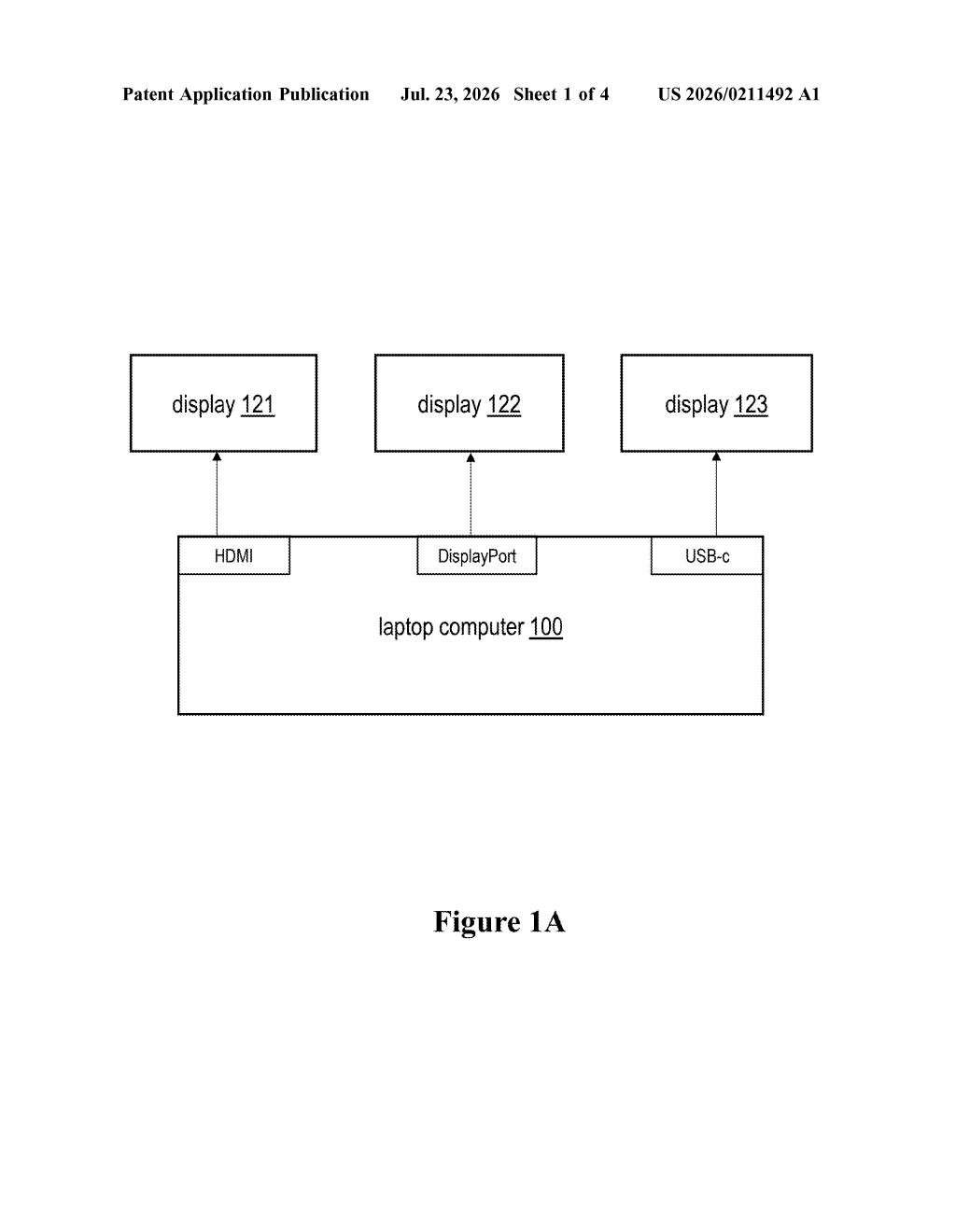
How IBM's eye-tracking monitor setup actually works
Picture this: you plug two or three monitors into your phone at a desk, and instead of hunting through settings menus to arrange them, your phone just turns on its front camera and watches where you look. Based on where your eyes travel, it guesses which screen you want to use for what, and proposes a layout. You say yes or no.
That's the core idea in this IBM patent. The phone already knows your habits from your profile, such as which apps you use most and how you like your workspace arranged. It layers that information on top of what it learns from your eye movements to tailor the monitor configuration to you specifically, not just to generic display settings.
Multi-monitor setup has always been a chore, especially when you're moving between desks or hotel rooms. IBM is betting that reading where your eyes naturally land is a faster and more personal way to get everything arranged without the friction.
How the phone correlates eye movement to display layout
When a user connects multiple external displays to a mobile device, the system starts by reading each monitor's capabilities: resolution, orientation, and scaling options.
Next, the phone pulls a user profile stored on-device. That profile holds prior preferences, like which apps the person reaches for most and how they've historically arranged their workspace.
Then the phone turns on its camera specifically to do eye-tracking (monitoring where the user's gaze naturally moves across the connected screens). The system correlates that gaze data with the stored profile to infer which display should carry which content.
Finally, the system proposes a new display configuration based on that combined analysis. The user can accept or reject it. If they accept, the phone applies the layout automatically. The design is intentionally a human-in-the-loop system: the algorithm suggests, the person approves.
- Reads resolution and orientation of each connected monitor
- Cross-references stored user app-usage and layout preferences
- Tracks eye movement via the phone's front camera
- Generates a suggested multi-monitor arrangement
- Applies the configuration only after user confirmation
What this means for mobile-first desk setups
Multi-monitor configuration is one of those tasks that hasn't meaningfully improved in years. Drag a virtual rectangle here, set a resolution there, restart, realize the arrangement is backwards, repeat. For someone who moves between offices or carries a phone as their primary computer, that friction adds up fast. A system that learns your natural gaze patterns and matches them to your known habits could cut setup time down to a single tap.
For IBM, this fits into a broader push around mobile-first enterprise computing, where a single phone replaces a traditional laptop. If phones are going to anchor serious desk setups with multiple monitors, the configuration experience needs to be as frictionless as docking a laptop, and right now it isn't. This patent is one step toward that.
The eye-tracking angle is the interesting part here. Using gaze data to infer which screen you want for which task is a smarter heuristic than asking users to drag rectangles around. The catch is privacy: turning on your camera every time you plug in a monitor will make some users uncomfortable, and IBM will need a clear opt-in story. Still, the core idea is practical and addresses a real daily frustration.
Get our take in your Top Stories
Liked this breakdown? Add Patentlyze as a preferred source on Google, and our plain-English take shows up more often in your Top Stories the next time IBM patent news breaks.
There are more where this came from
We read every patent application Big Tech publishes and send you the ones worth knowing. Plain English, free, every week.
The drawings
4 drawing sheets from US 2026/0211492 A1 · click any drawing to enlarge


Want this weekly breakdown for a company we don't cover? Patentlyze Pro →