
IBM
IBM · Input & haptics · Filed Jan 3, 2025 · USPTO published Jul 9, 2026 · Jul 9 release
IBM's New Patent Builds a Projected Keyboard That Moves Its Keys to Fit Your Hands
IBM is patenting a keyboard that doesn't just sit there, it watches where your fingers naturally land, then moves its keys to meet them there.
- Publication number
- US 2026/0195013 A1(US20260195013A1)
- Applicant
- International Business Machines Corporation
- Filed · Published
- Jan 3, 2025 · Jul 9, 2026
- Inventors
- Rong Zhao, Zhe Yan, Li Bo Zhang, Hao Xiang Wu, Li Li Guan
- Status when we published
- Granted
- Document
- 20 claims
- US classification
- 345/168
- Examiner
- ELAHI, TOWFIQ (Art Unit 2625)
What IBM's self-adjusting projected keyboard actually does
Imagine a keyboard projected onto any flat surface by a device in front of you. You start typing, and instead of forcing you to adapt to the keyboard's fixed layout, the keyboard adapts to you.
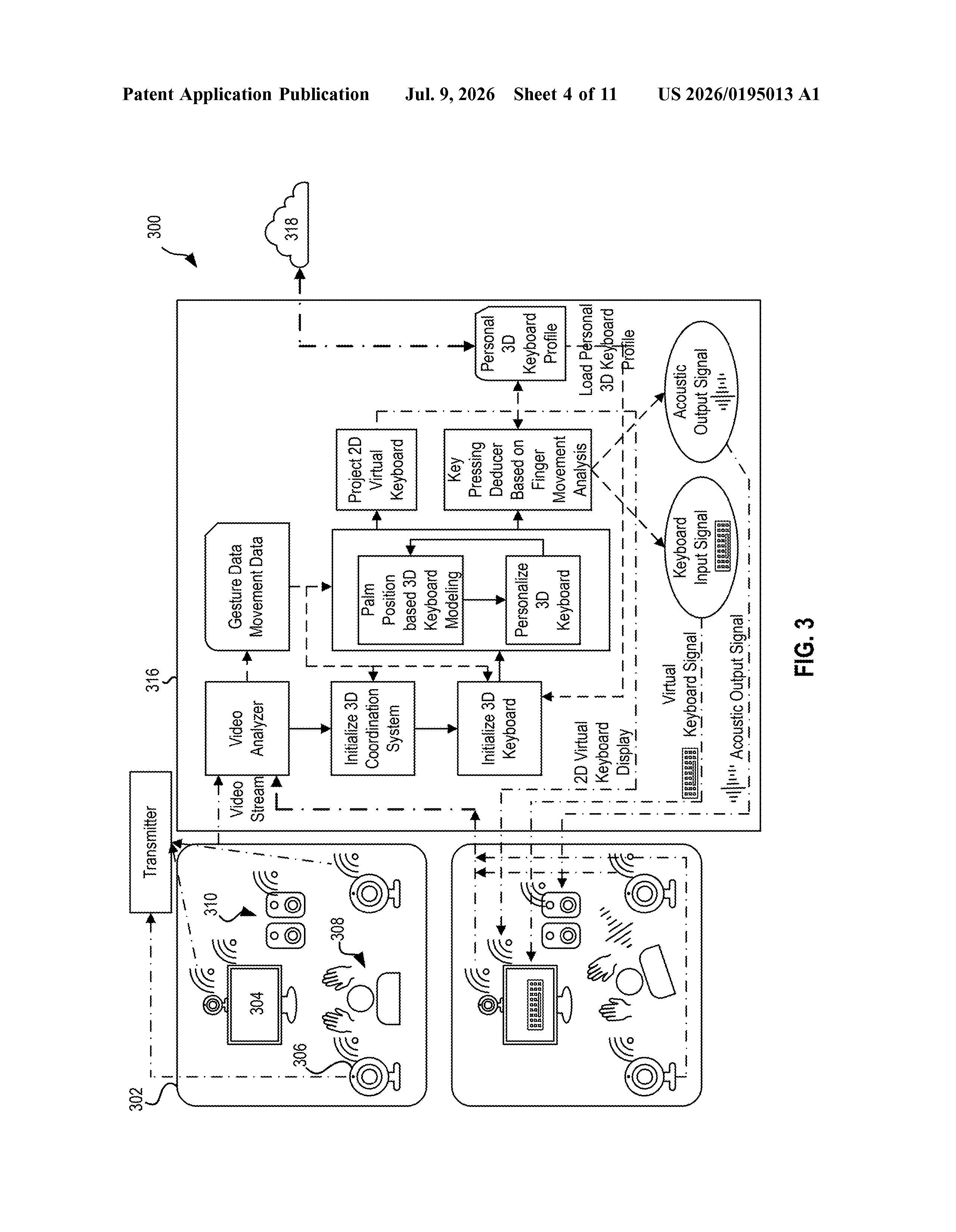
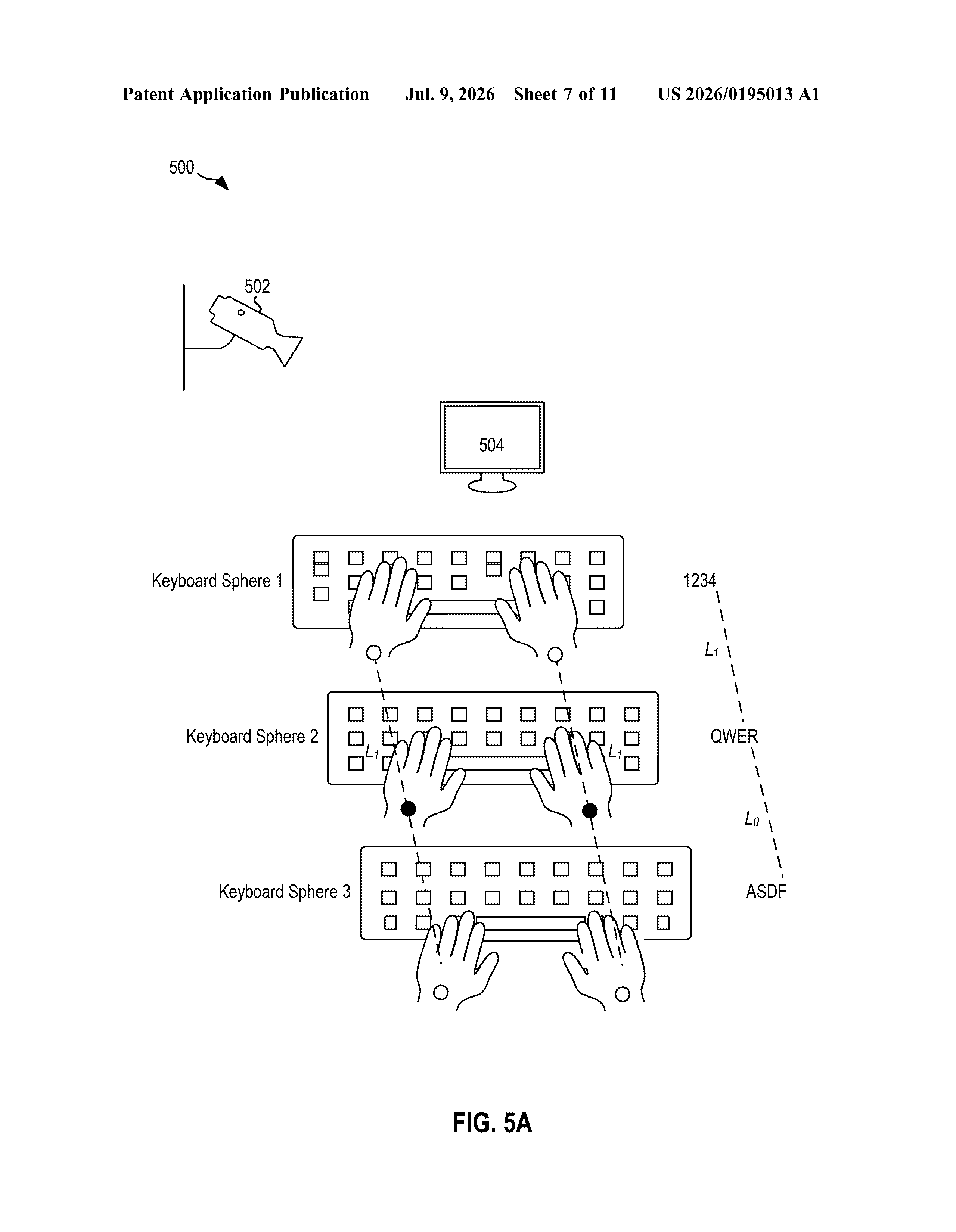
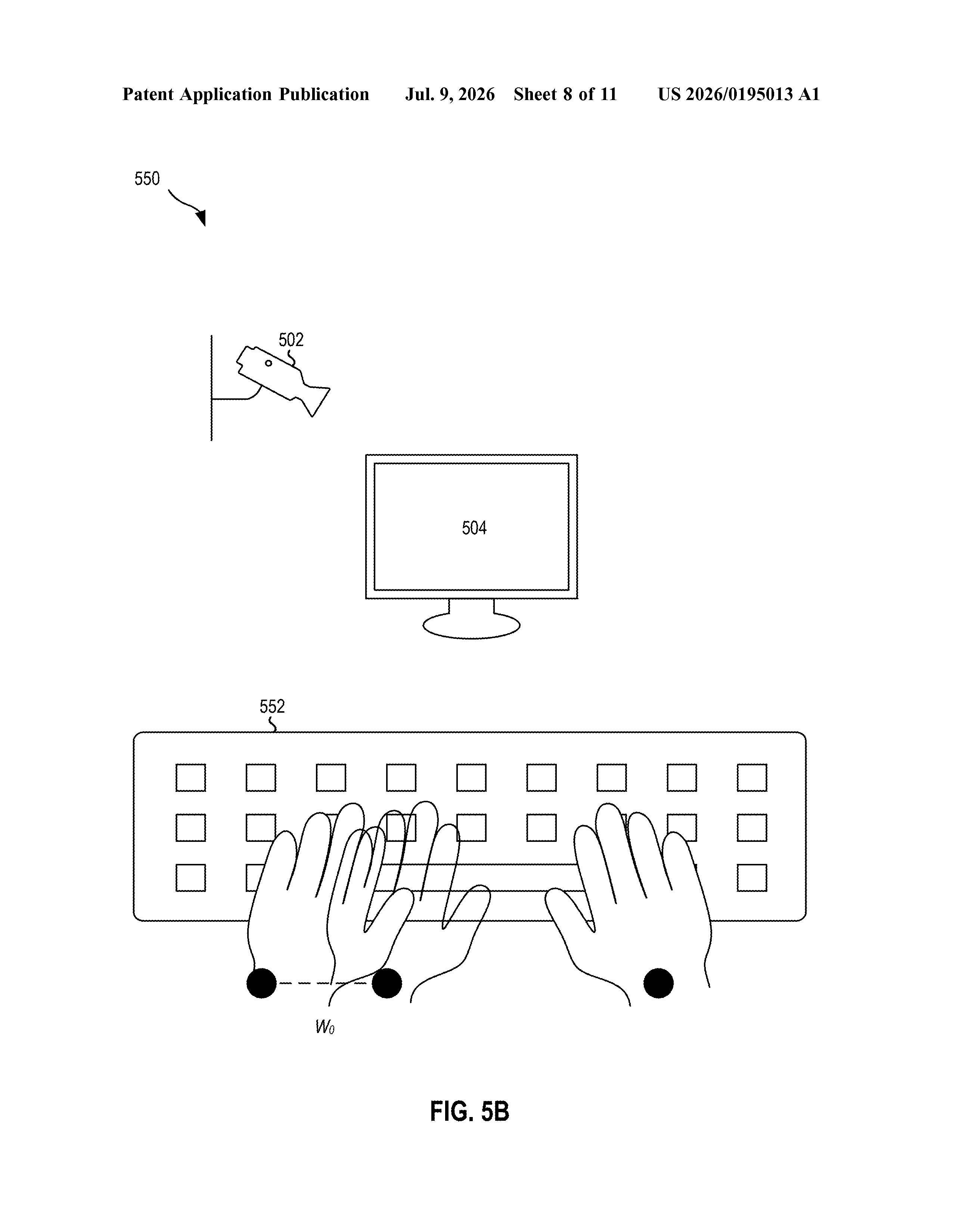
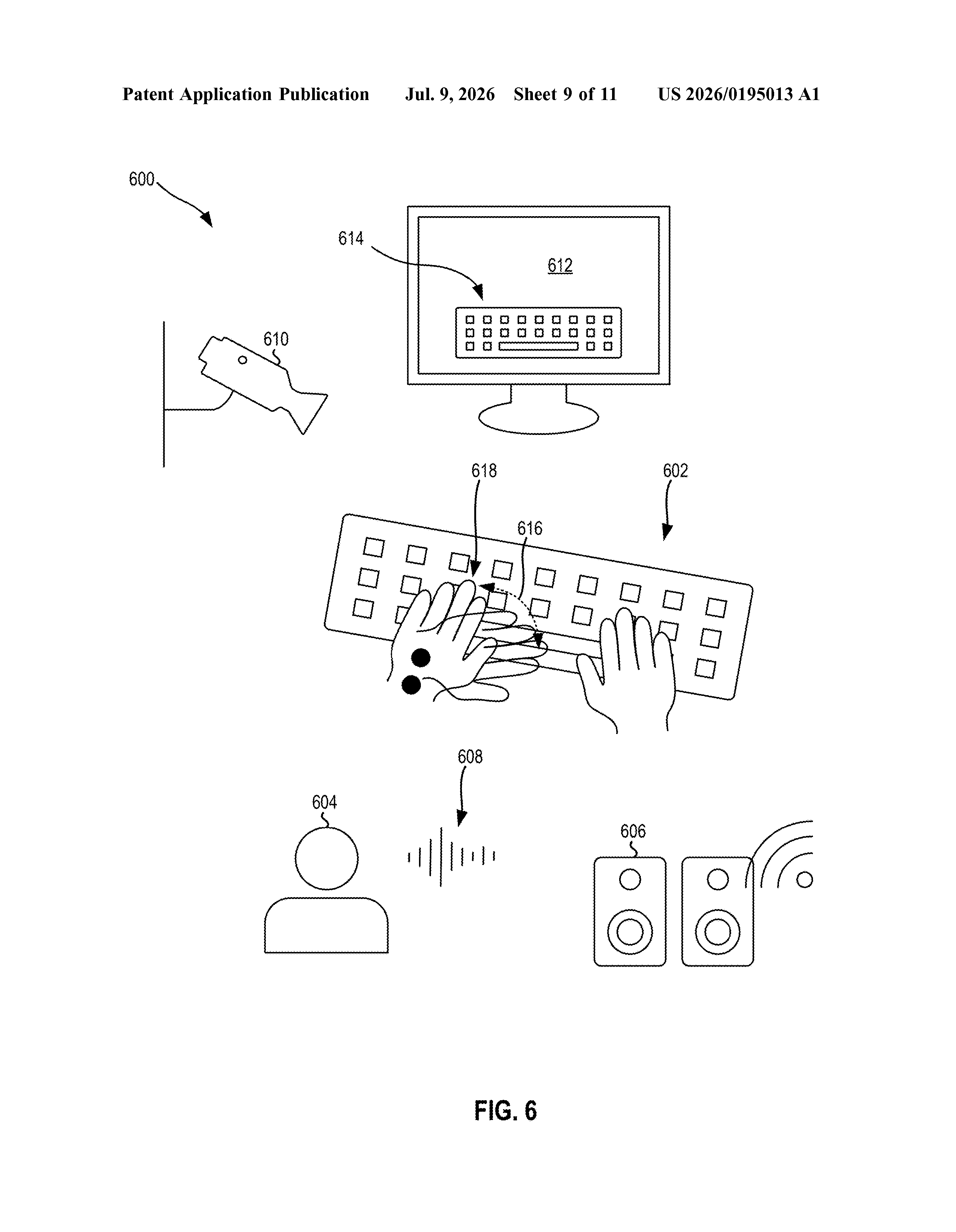
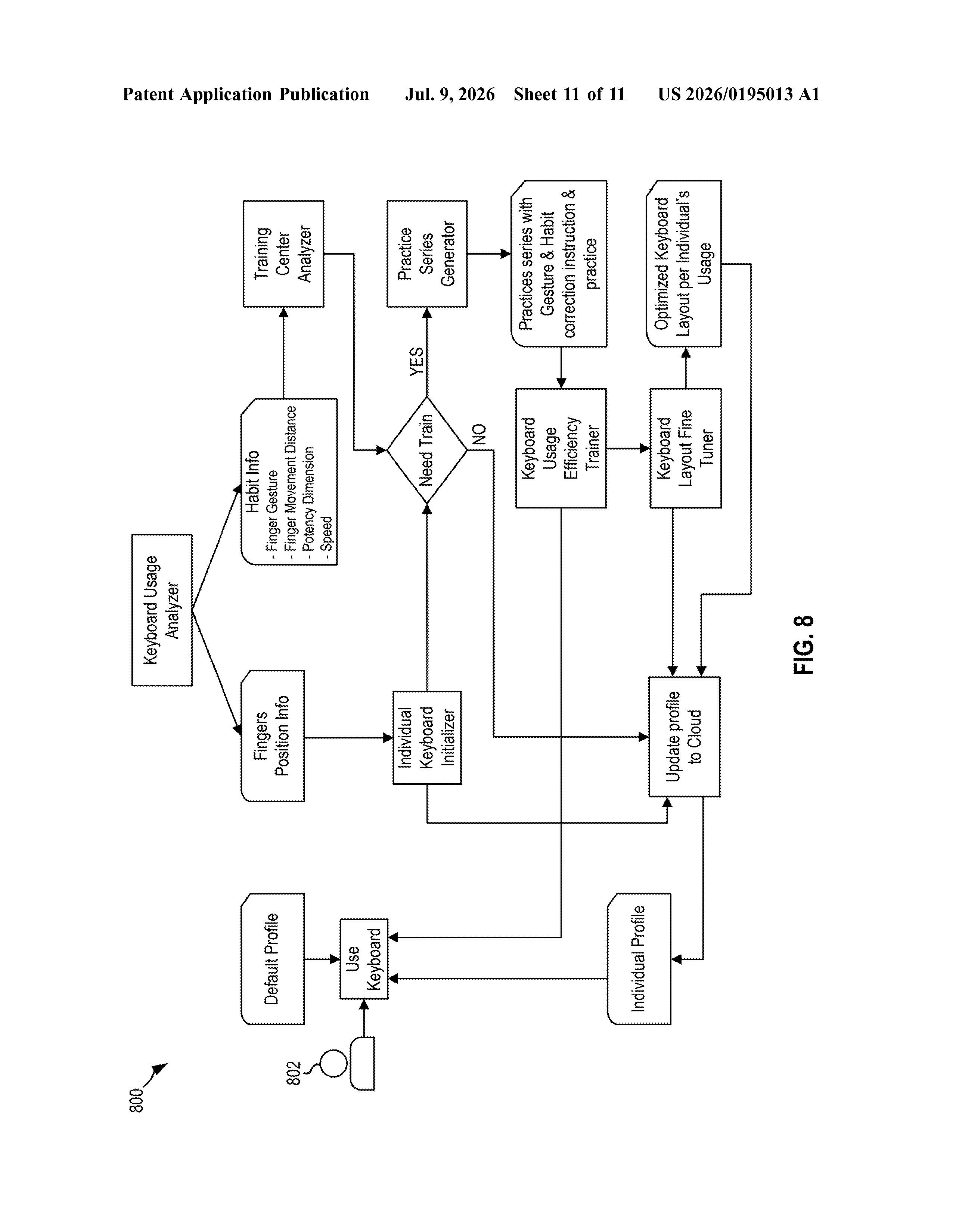
That's what IBM is describing here. Cameras track your hands in three dimensions as you type, paying attention to where your palms hover, how far your fingers drift sideways, and how hard you press. Based on that data, the system figures out where each key really needs to be for your particular hands, then regenerates the projected keyboard with keys moved to those better positions.
Think of it like autocorrect, but instead of fixing what you typed, it repositions the keys so you're more likely to hit the right one in the first place. The result is a keyboard that continuously reshapes itself to match the way your hands actually move, not the way a keyboard designer assumed they would.
How cameras and coordinate planes reshape the key layout
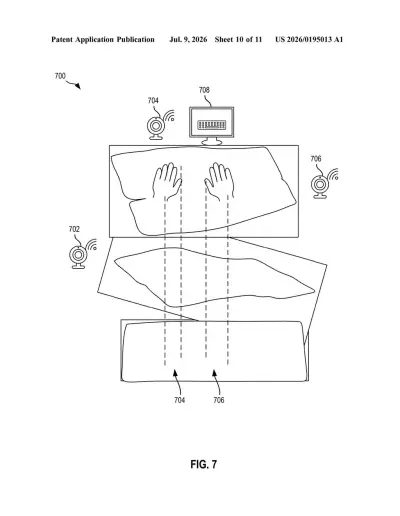
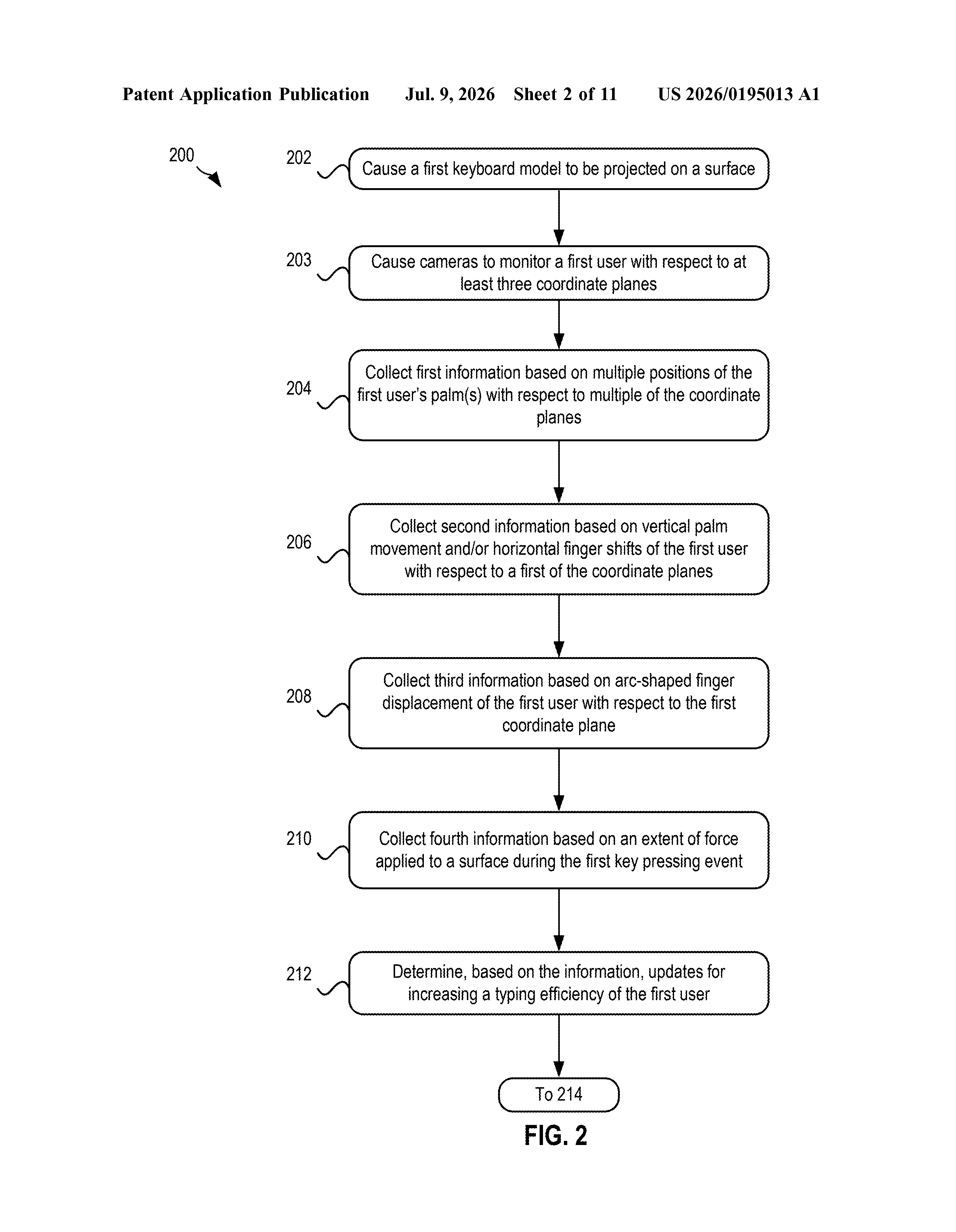
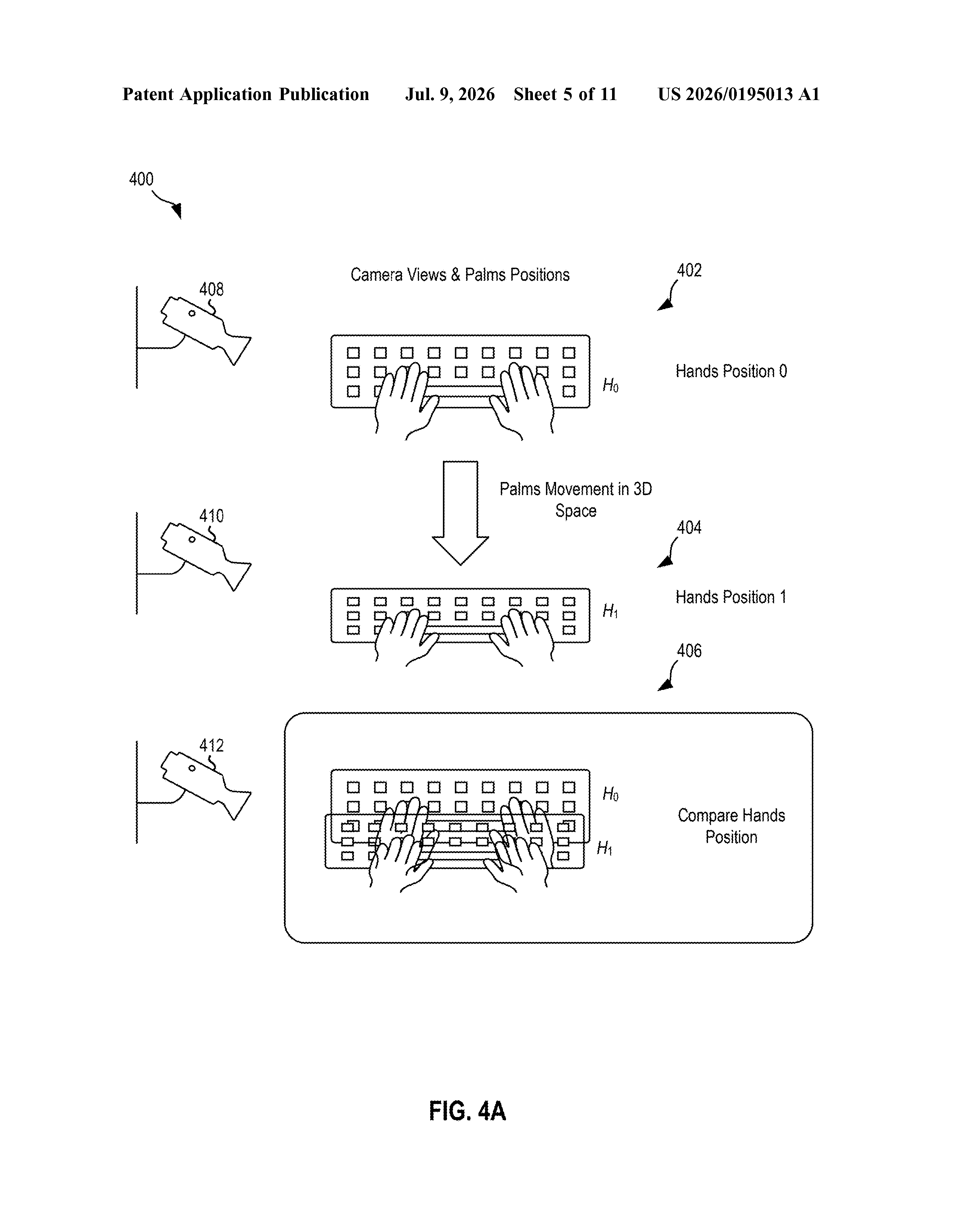
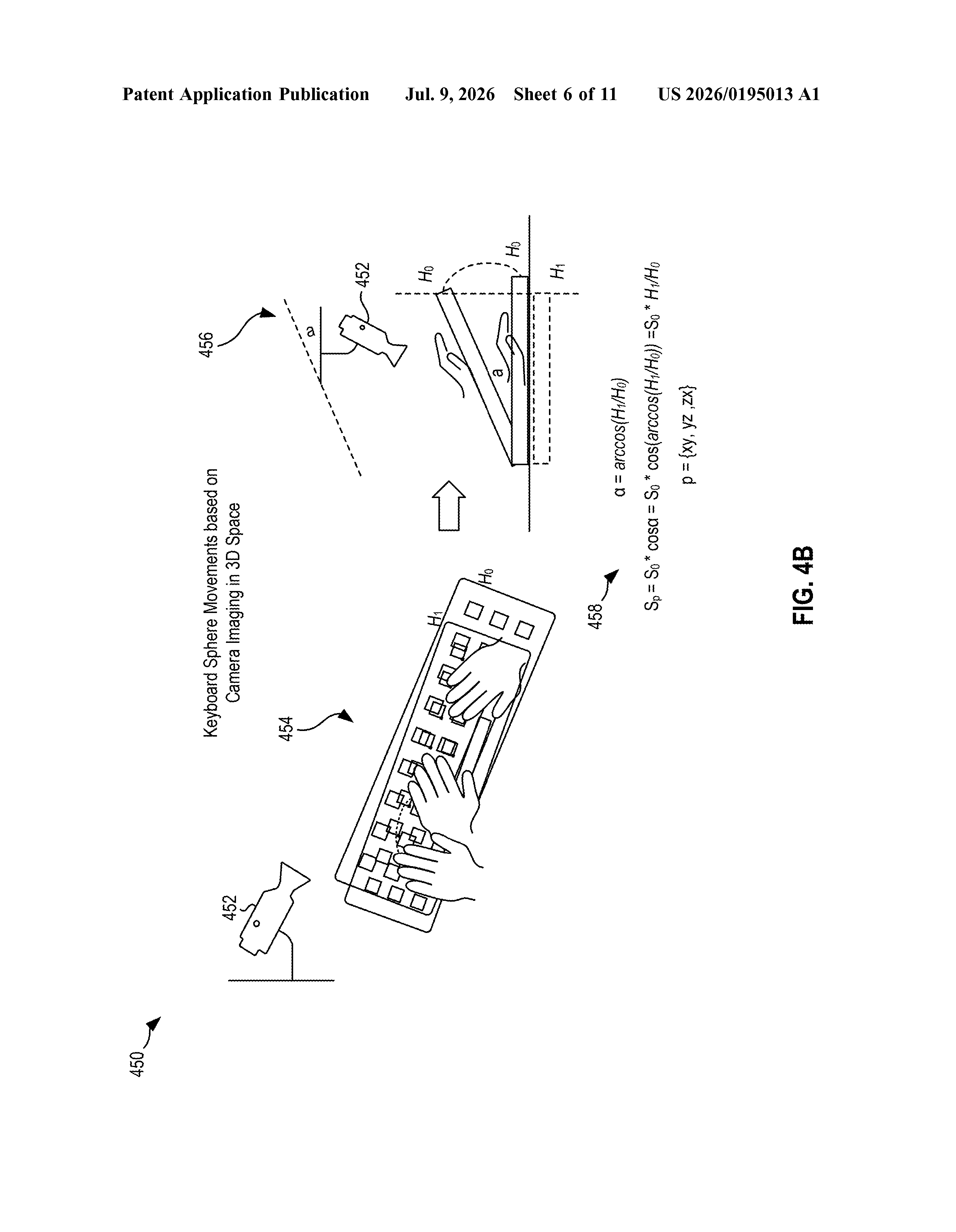
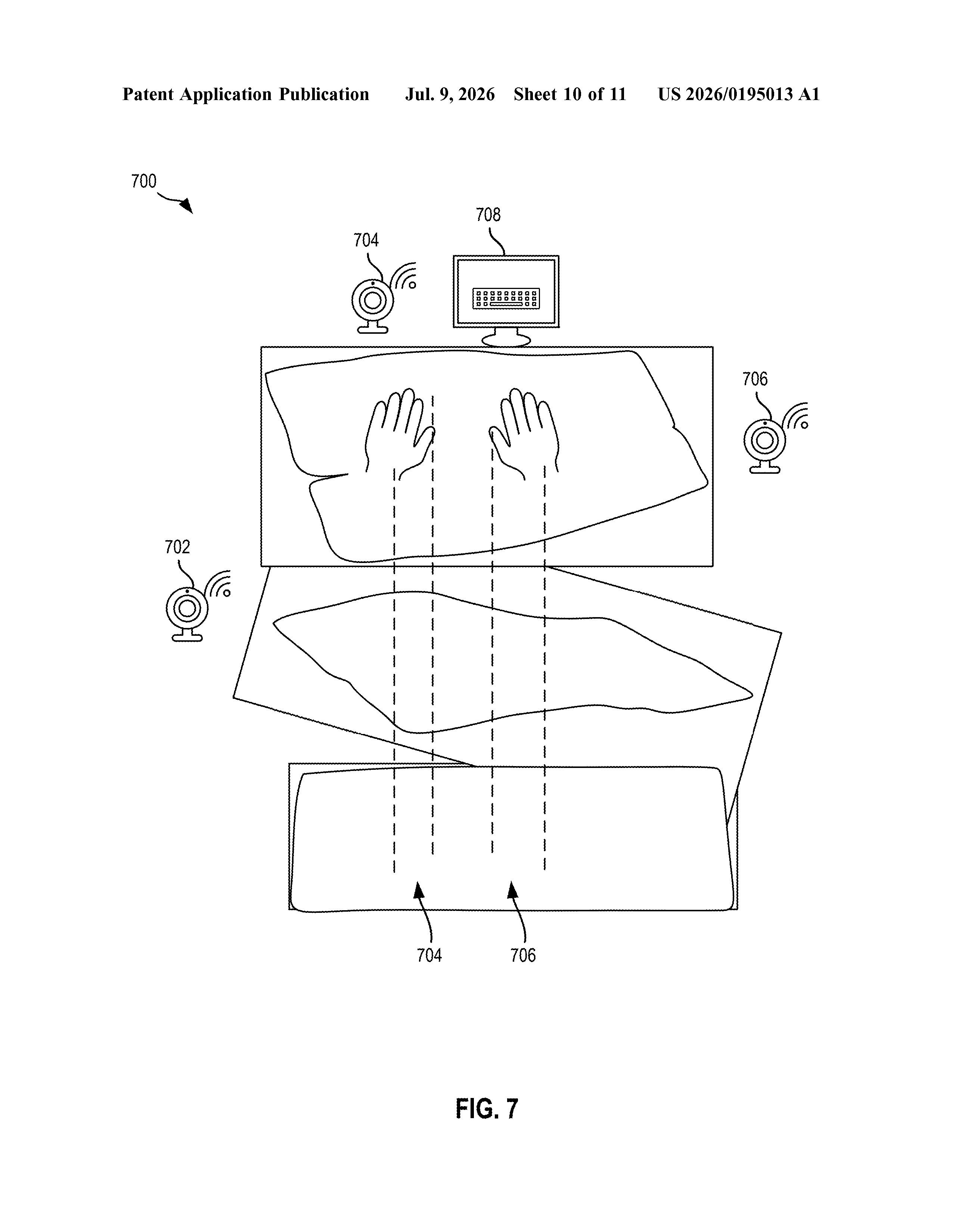
The system starts by projecting a standard keyboard layout onto a surface, then deploys cameras to track a user's hands across at least three coordinate planes (X, Y, and Z axes, think left-right, forward-back, and up-down).
It collects two types of data:
- Palm position data, where your palms sit relative to the keyboard in multiple directions
- Finger movement data, how far your fingers drift horizontally between keystrokes, and how your palms move up and down as you reach for different keys
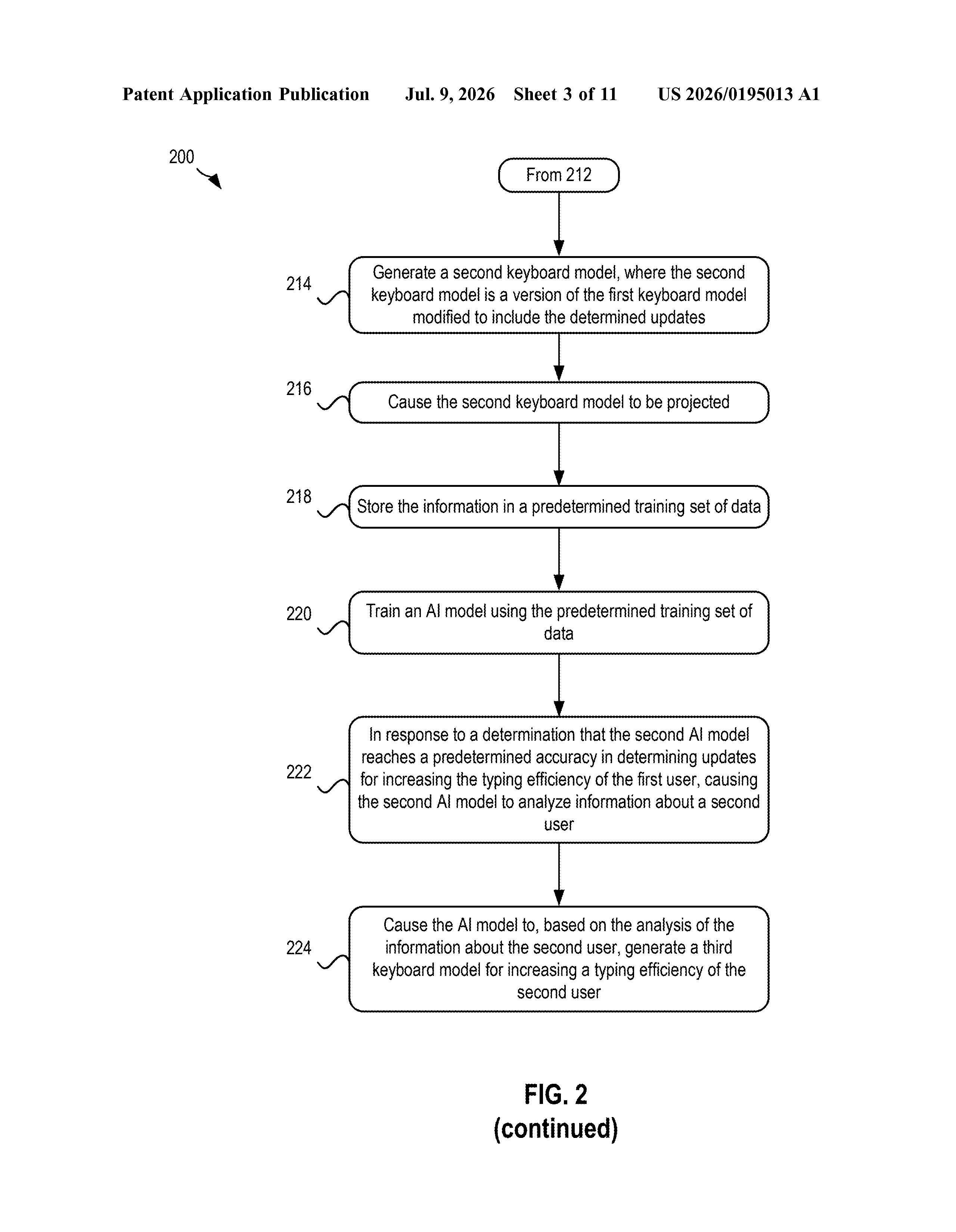
From that combined data, the system predicts where a key-press event is about to happen, essentially forecasting where your finger will land. It then centers the relevant key at that forecasted location in a freshly generated keyboard model, which gets projected in place of the original.
The key insight is that the layout update is per-user and continuous. Instead of a one-time calibration, the keyboard keeps adjusting as it learns more about your individual typing habits, hand size, and reach patterns. The patent's claim language specifies that key rearrangement is tied directly to those predicted landing zones, making the repositioning data-driven rather than a simple grid shift.
What this means for future touchless and AR input
Projected keyboards have existed as a novelty for years, but they've always suffered from the same flaw: your fingers don't land exactly where you intend, and a flat light-up grid can't do anything about it. IBM's approach turns that passive surface into something that actively compensates for the gap between your intended keypress and your actual finger position.
For AR headsets, wearables, or any device where a physical keyboard isn't practical, this could make projected input genuinely usable rather than a frustrating demo. If the system works as described, your error rate drops not because you get better at typing on a projected surface, but because the keyboard gets better at anticipating you.
Source: US 2026/0195013 A1 at the USPTO (PDF). Full patent text and figures are in the official publication.
Get our take in your Top Stories
Liked this breakdown? Add Patentlyze as a preferred source on Google, and our plain-English take shows up more often in your Top Stories the next time IBM patent news breaks.
Add Patentlyze on Google
One click.
There are more where this came from
We read the new patents from Big Tech, carmakers and more and send you the ones worth knowing. Plain English, free, every week.
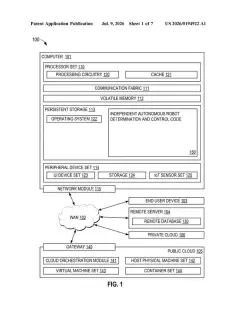
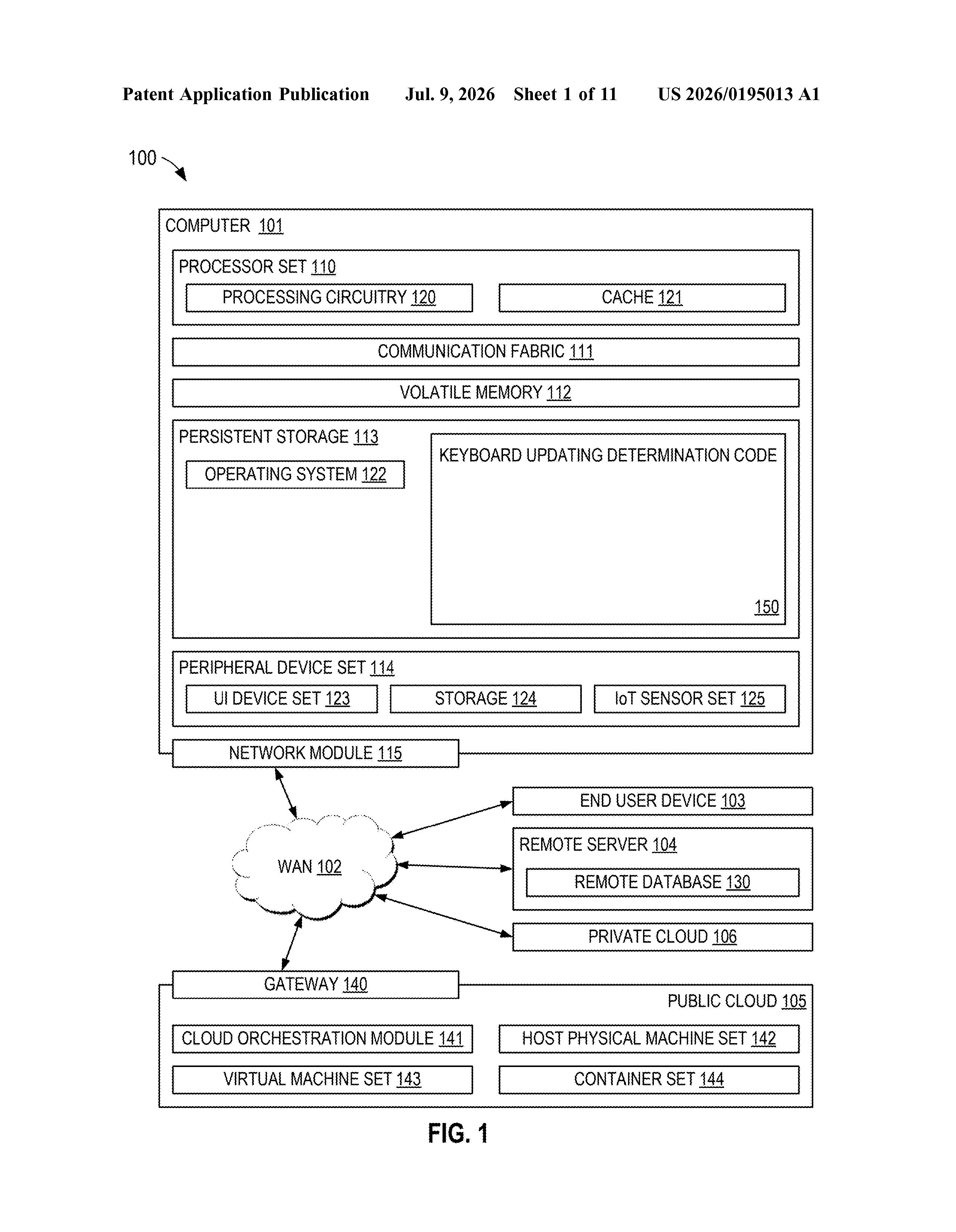
The drawings · 11 sheets
11 drawing sheets from US 2026/0195013 A1 · click any drawing to enlarge
Show the other 3 sheets
More from IBM
All 481 IBM patents →
More in Hardware
All 2,375 Hardware patents →
Apple
Apple Patents a Stylus That Changes How It Tracks Itself When It Touches a Surface
Apple
Apple Patents a Gesture Shortcut to Bring Voices Forward on AirPods
Sony
Sony Patents a Joystick Cap That Can't Be Put On Crooked
Samsung