
IBM Patents a 3D Printing Method That Uses Sound Waves to Float Powder Into Place
IBM is patenting a 3D printing approach that floats powder particles in mid-air using sound waves, then locks them into objects with a precisely tuned level of internal porosity. It's a genuinely unusual take on additive manufacturing.
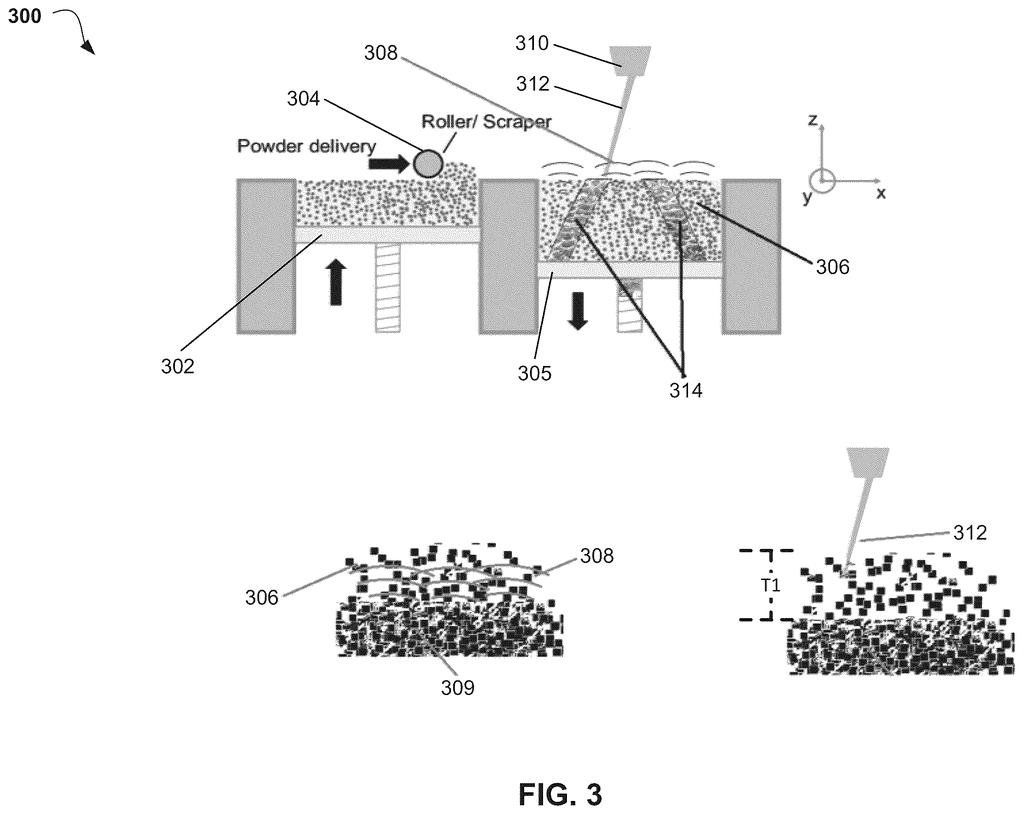
How IBM's sound-wave 3D printing controls object porosity
Imagine trying to build a tiny sponge out of metal or ceramic powder, where the size and spacing of every pore has to be exact. Traditional manufacturing struggles with this because once powder settles, you have limited control over the gaps between particles.
IBM's patent describes a system that sidesteps that problem by using acoustic levitation, which means blasting carefully tuned sound waves at powder particles to hold them floating in the air, arranged in a specific pattern. Software monitors the powder's characteristics in real time and calculates exactly what sound frequencies and intensities the hardware needs to produce.
The result is a floating scaffold of powder that gets assembled into an object with a predetermined level of porosity (how porous or sponge-like the interior is). This level of control over internal structure matters a lot in industries where the density of a part directly affects how it performs.
How acoustic levitation arranges powder for precise porosity
The patent describes a computer-controlled pipeline that manages the entire levitation and assembly process.
Data intake: The system pulls in both real-time sensor readings and historical data from the 3D printing environment. That includes characteristics of the powder particles themselves, such as size, density, and material type.
Porosity targeting: Before printing starts, a target porosity level is defined. Porosity refers to how much empty space exists inside a finished object, which directly affects properties like weight, permeability to fluids, and structural flexibility.
Parameter computation: Software calculates what settings each piece of hardware (acoustic emitters, positioning systems) needs to achieve in order to create a floating arrangement of powder particles that matches the target porosity when the object is assembled.
- Sound waves are tuned to hold particles at specific positions in 3D space
- Particle spacing in the floating arrangement determines the final porosity
- Multiple hardware devices are coordinated simultaneously
The claim is hardware-agnostic in a sense: the patent covers computing and issuing those parameters, not a single specific physical machine.
What this means for medical and industrial manufacturing
Controlling porosity precisely is important in fields like biomedical implants (bone scaffolds need the right pore size for cells to grow through), filtration membranes, and aerospace components where weight reduction and structural integrity have to coexist. Current methods for achieving exact porosity often involve chemical processes or post-production machining, both of which add cost and imprecision.
If this approach works at scale, it could give manufacturers a software-driven way to dial in internal structure the same way you'd adjust a setting on a printer. IBM, known more for software and AI than for physical manufacturing, positioning itself in this space is an interesting signal about where industrial AI is heading.
This is a genuinely creative patent, combining acoustic physics with AI-driven process control in a manufacturing context that most people wouldn't associate with IBM. Whether it translates into a real product or stays a research filing is the open question, but the underlying idea of using sound to architect internal structure during printing is worth tracking.
Get our take in your Top Stories
Liked this breakdown? Add Patentlyze as a preferred source on Google, and our plain-English take shows up more often in your Top Stories the next time IBM patent news breaks.
There are more where this came from
We read every patent application Big Tech publishes and send you the ones worth knowing. Plain English, free, every week.
The drawings
3 drawing sheets from US 2026/0212855 A1 · click any drawing to enlarge


Want this weekly breakdown for a company we don't cover? Patentlyze Pro →