
Nvidia Patents a Camera-Radar System to Detect Children Left in Cars
Every year, children die after being forgotten in parked cars. Nvidia is now patenting a system that combines multiple sensors inside a vehicle to catch that situation before it turns fatal.
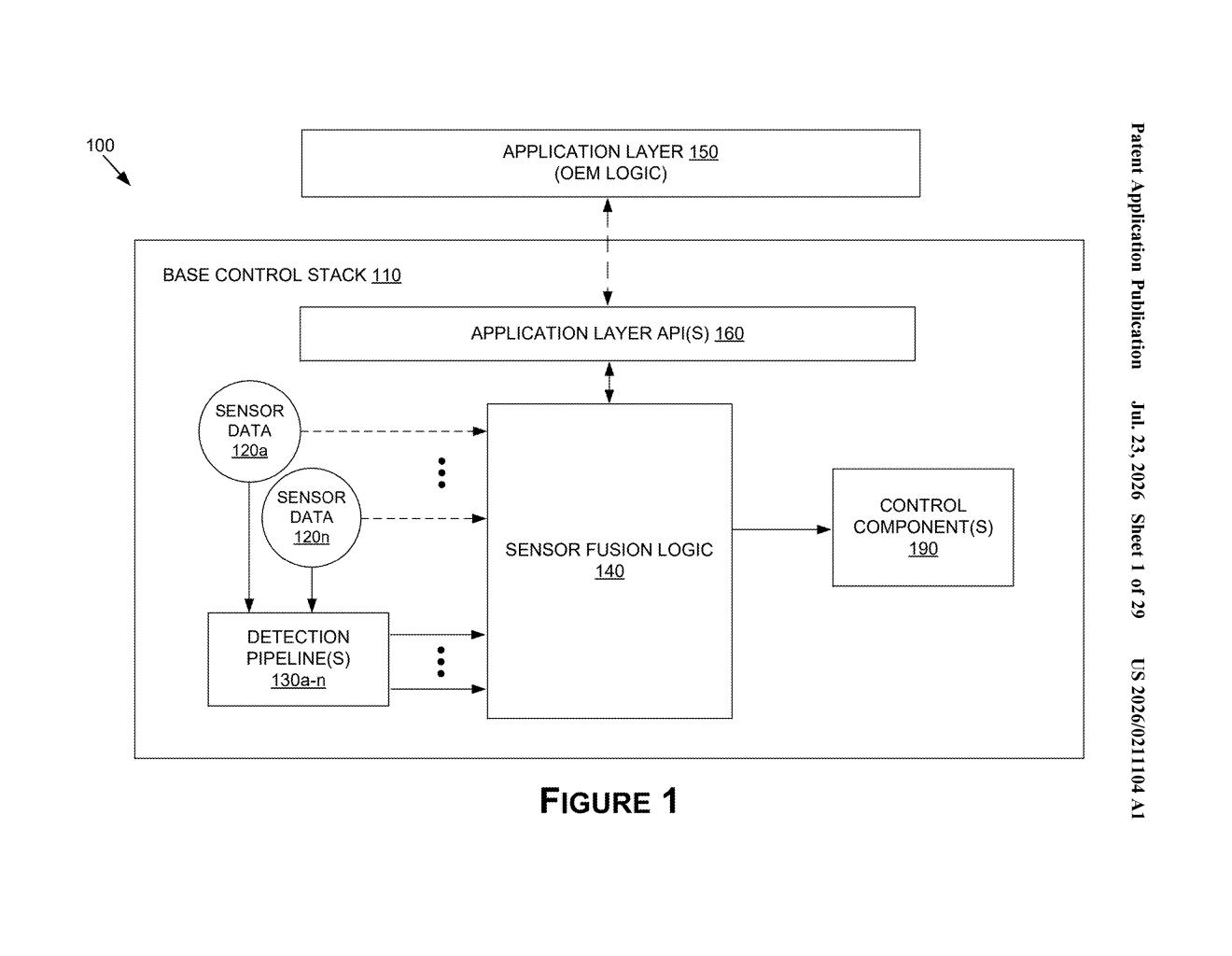
How Nvidia's child-detection system watches every seat
Imagine you park your car, grab your bag, and walk away, not realizing your toddler is still buckled in the back seat. It happens more often than most people think, and the consequences can be deadly. Nvidia is working on a system designed to prevent exactly that.
The idea is to watch every seat in the vehicle using multiple sensors at once, such as a camera and a radar unit, and then combine what each one sees into a single confident answer: is a child present, or not? The system is built to work seat by seat, so it can tell the difference between an occupied child seat and an empty adult seat.
What makes this filing notable is that car manufacturers would be able to tune the system to their own setup. A sedan with two rear seats gets different rules than a minivan with three rows. The car company configures which sensors matter most for each seating position, and Nvidia's platform handles the rest.
How cameras and radar get merged into one safety call
The patent describes a sensor fusion pipeline (a process that blends readings from multiple sources into one decision) built into the core compute platform of an autonomous or semi-autonomous vehicle.
At its heart, the system pulls in detection results from at least two sensor types, most likely a camera and a radar unit. Each sensor produces its own read on whether a seat is occupied and by whom. The fusion layer then combines those reads using configurable weights, meaning the car maker can dial up how much it trusts the camera versus the radar for any given seat position. A rear-facing infant seat might rely more heavily on radar (which can detect breathing and small movements), while a forward-facing booster seat might lean on the camera.
The system is slot-dependent, meaning the logic is tailored individually to each occupant position in the car rather than treating the whole cabin as one zone. The final output is a classification: child present, or not. That result then triggers whatever action the car is configured to take:
- Sending an alert to the driver's phone
- Keeping the cabin ventilation running
- Preventing the vehicle from locking
- Flagging the situation for a remote operator in a robotaxi context
The system is designed to slot into Nvidia's base drive stack, the foundational software layer that manages a vehicle's core autonomous functions, so it doesn't require a separate, bolt-on safety module.
What this means for hot-car tragedies and autonomous vehicles
Hot-car deaths are a persistent, preventable tragedy. Current solutions range from reminder chimes to weight-sensing seat pads, but none of them combine multiple sensor types into a single, tuneable system the way this patent describes. For automakers building on Nvidia's DRIVE compute platform, this could eventually become a standard safety feature rather than a luxury add-on.
For robotaxi operators, the stakes are even higher. A driverless vehicle dropping off a family has no human to do a final sweep of the back seat. A built-in, always-on detection system that integrates directly with the vehicle's autonomous stack is not a nice-to-have in that context, it is effectively a legal and ethical requirement.
This is genuinely useful safety engineering, not a patent filed to block competitors. The slot-by-slot configurability is a smart design choice that reflects how differently car interiors are actually laid out across vehicle classes. If this ends up shipping in production vehicles on the DRIVE platform, it could become one of the more impactful child-safety features in years.
There are more where this came from
We read every patent application Big Tech publishes and send you the ones worth knowing. Plain English, free, every week.
The drawings
29 drawing sheets from US 2026/0211104 A1 · click any drawing to enlarge


Want this weekly breakdown for a company we don't cover? Patentlyze Pro →
Be the first to weigh in