
Samsung Patents a Grip-Tuned Magnet System for Keeping Stylus Pens in Place
Sliding a stylus back into a phone sounds simple, but getting it to snap in firmly without being a pain to pull out is a real engineering tradeoff. Samsung's new patent attacks that problem with a clever magnet layout.
How Samsung's stylus magnet grip actually works
Imagine a stylus pen that slots into the side of your phone. You want it to hold tight enough that it doesn't fall out in your bag, but loose enough that you can pull it out with one finger without wrestling with it. Getting both right at the same time is surprisingly tricky.
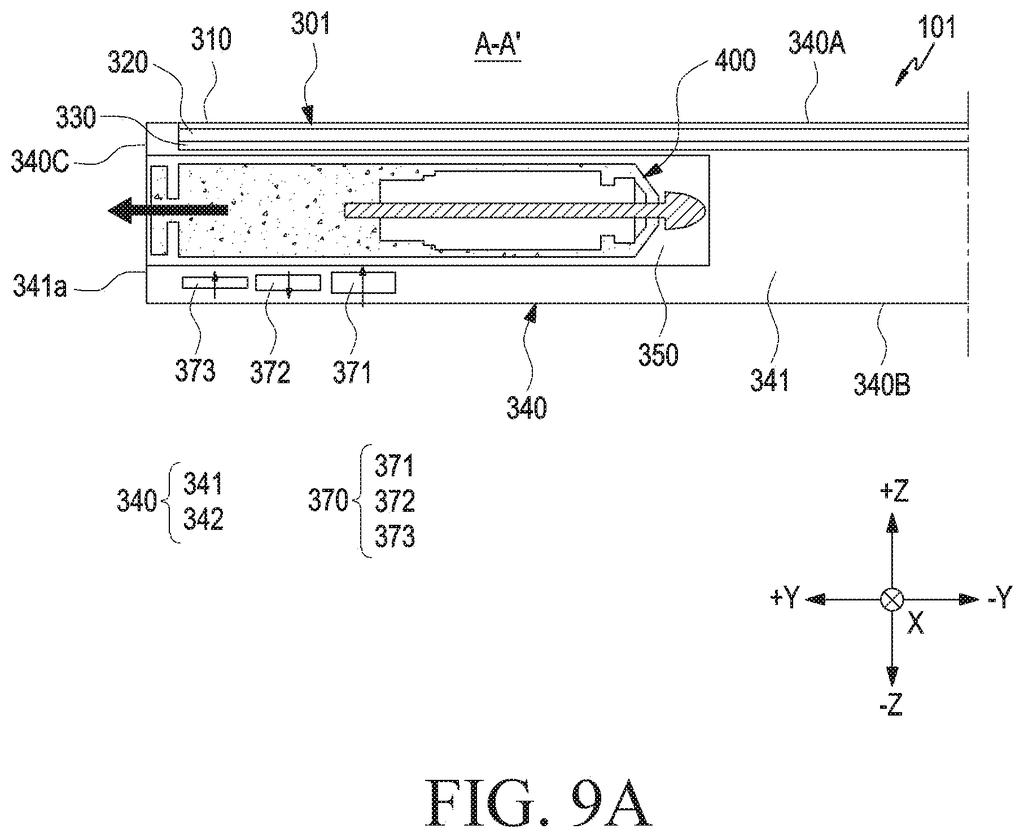
Samsung's patent describes a row of magnets arranged along the pen slot inside the device. Each magnet alternates polarity (north, south, north, south) to create a strong overall grip, but here's the key twist: the magnet closest to the opening where you insert the pen is weaker than the ones deeper inside. That means the pen glides past the entrance easily, then gets pulled firmly into place once it's fully seated.
The result is a stylus that feels easy to insert and remove at the tip, but stays securely locked in during everyday use. It's a small mechanical detail, but the kind that determines whether a feature feels polished or annoying.
How the magnet zones are arranged inside the housing
The patent describes a magnet assembly built into a device housing, specifically designed around a pen accommodating portion (the internal channel where a stylus sits).
The assembly uses multiple magnetic regions lined up along the length of the pen slot. Adjacent regions have opposite polarities, a configuration that concentrates magnetic force and keeps the stylus from shifting sideways. This multi-pole approach is common in magnetic attachment systems because alternating poles create a tighter, more directional hold than a single magnet.
The defining claim is the graduated magnetic force rule: the magnetic region nearest the opening in the device's side wall must have a force equal to or less than the region deeper inside. In plain terms, the entry zone is deliberately weaker. This reduces the resistance you feel when inserting or removing the pen, while the stronger inner magnets do the real holding work once the stylus is fully seated.
- Housing includes a through-hole in the side surface as the pen entry point
- A digitizer (the layer that reads pen input) sits above the pen slot
- Multiple alternating-polarity magnets surround the pen slot along its length
- The outermost magnet (closest to the opening) is the weakest in the chain
What this means for Galaxy S Pen devices
For Samsung, the S Pen is a signature feature of the Galaxy S Ultra and Galaxy Tab S lines. The physical feel of inserting and removing that pen is part of the product experience, and a poorly tuned magnet system is the kind of thing that generates complaints in reviews even when everything else is polished.
This patent suggests Samsung is engineering the magnet behavior at a fairly granular level, tuning individual zones rather than treating the pen slot as a single magnetic hold. If this design makes it into production hardware, you'd likely notice it as a smoother, more confident snap when docking the pen, without the resistance that can make stylus removal feel stiff.
This is a focused, unglamorous patent about a physical mechanism most people never think about. That said, stylus feel is genuinely a differentiator for Samsung's premium tablets and phones, and the graduated-magnet logic here is a real engineering solution to a real usability problem. Worth a quick look if you follow Galaxy hardware.
There are more where this came from
We read every patent application Big Tech publishes and send you the ones worth knowing. Plain English, free, every week.
The drawings
23 drawing sheets from US 2026/0223302 A1 · click any drawing to enlarge


Want this weekly breakdown for a company we don't cover? Patentlyze Pro →
Be the first to weigh in