
Microsoft Patents a Connector That Deploys and Retracts With a Single Sideways Press
Plugging in a cable is trivial until the port is buried inside a device, mounted in a rack, or awkward to reach. Microsoft's latest filing describes a connector that locks in or pops out with a press from the side, no direct pulling or pushing required.
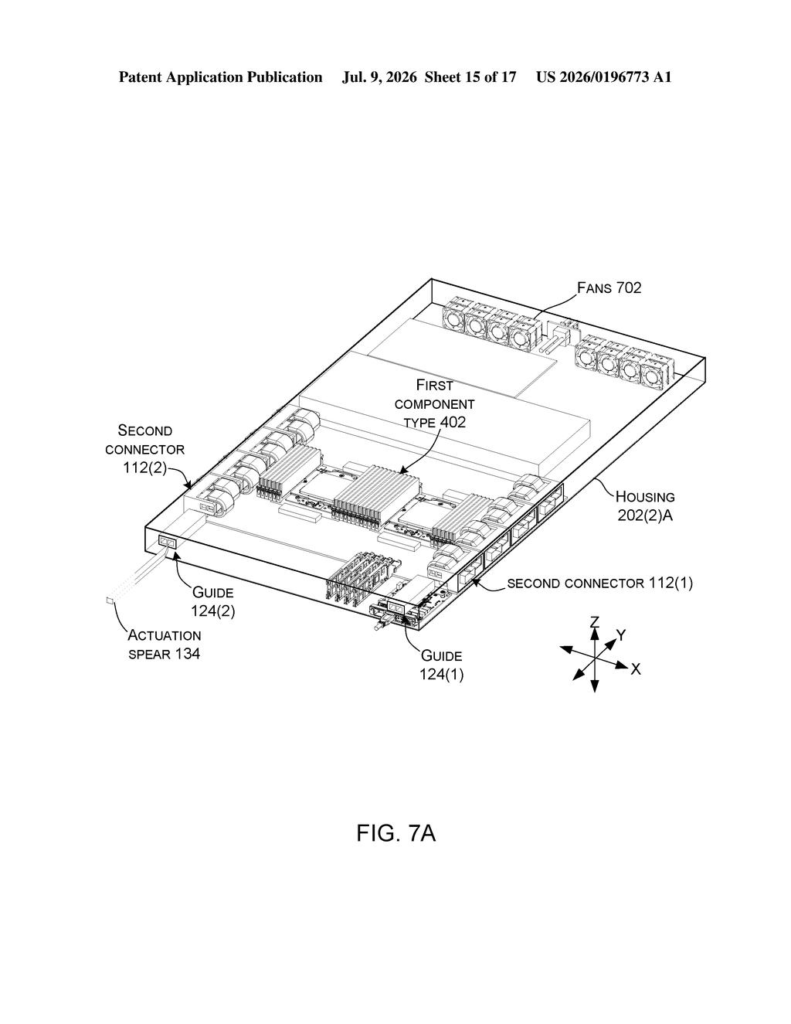
What Microsoft's push-to-connect mechanism actually does
Imagine a connector inside a device that you physically can't grab and pull out because it's recessed or surrounded by other components. Normally, you'd need to reach in at the right angle, grip the plug, and tug. That's fiddly at best and impossible at worst when the space is tight.
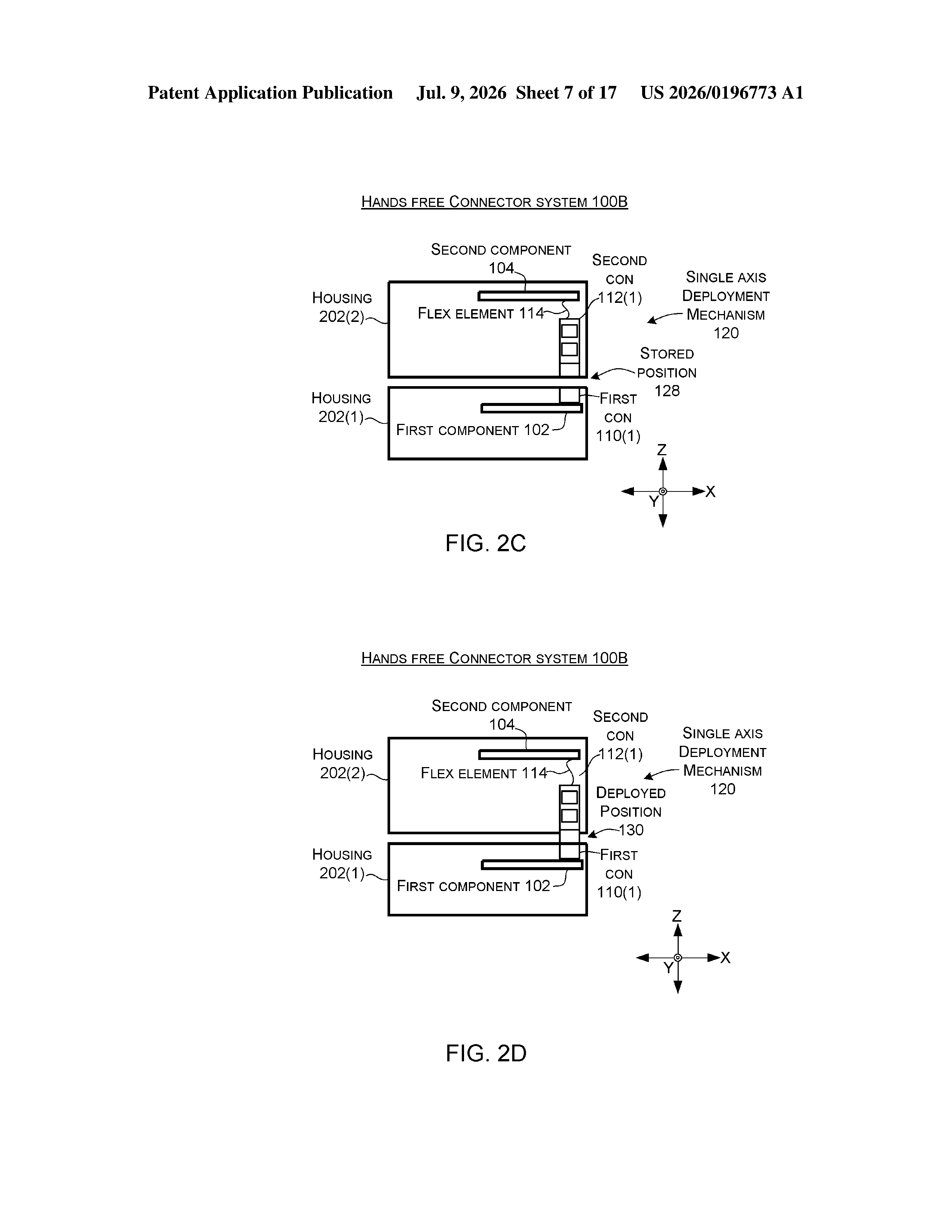
Microsoft's patent describes a mechanism that solves this by letting you press the side of a connector housing instead. A sideways tap pushes the connector forward to make contact; another sideways tap retracts it. You never have to push or pull along the connector's own axis.
The system works like a ballpoint pen's click mechanism: a single axis controls whether the connector is extended or stored, and a perpendicular press toggles it between the two states. It's a small mechanical trick, but one that could make assembly, maintenance, or modular device design a lot less fiddly.
How a sideways force moves the connector straight in or out
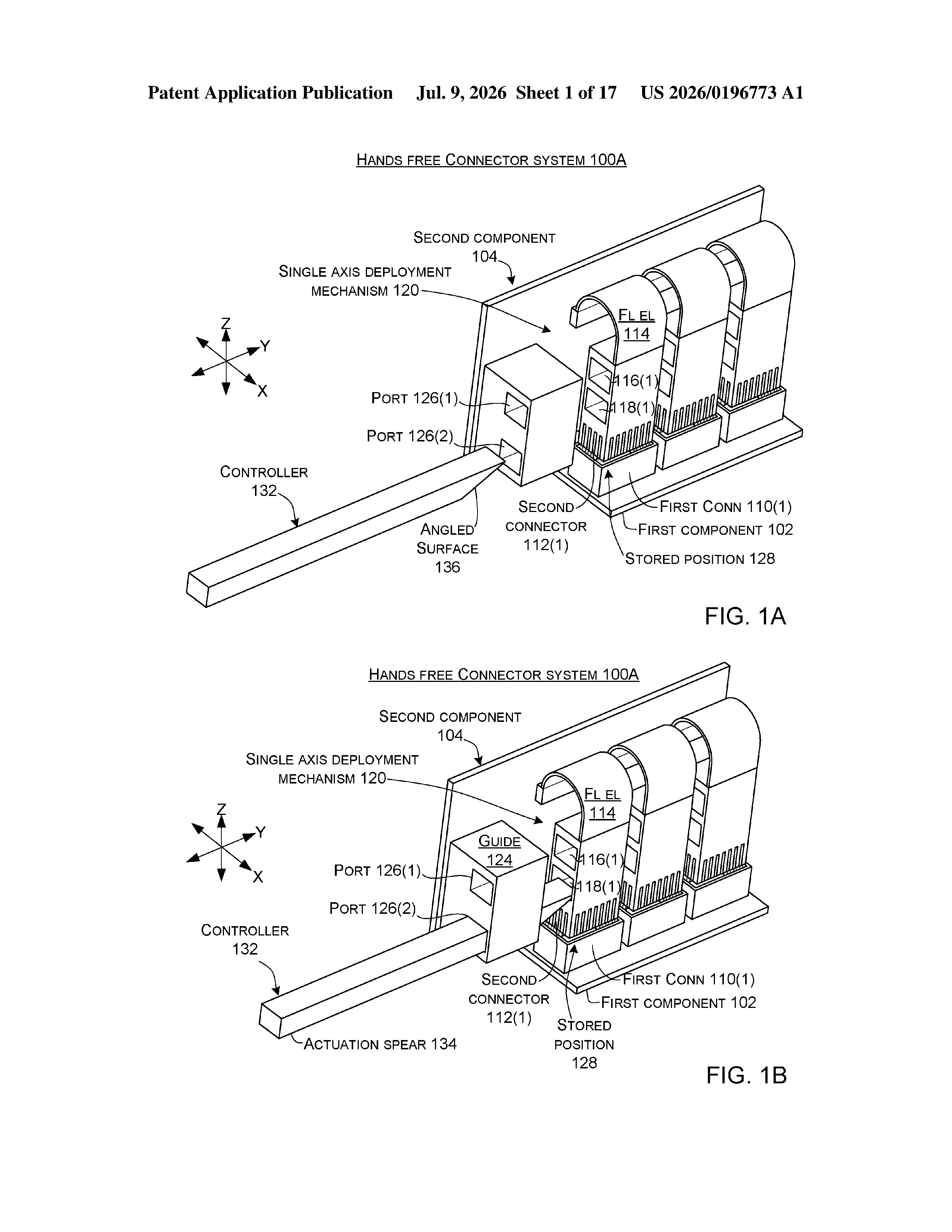
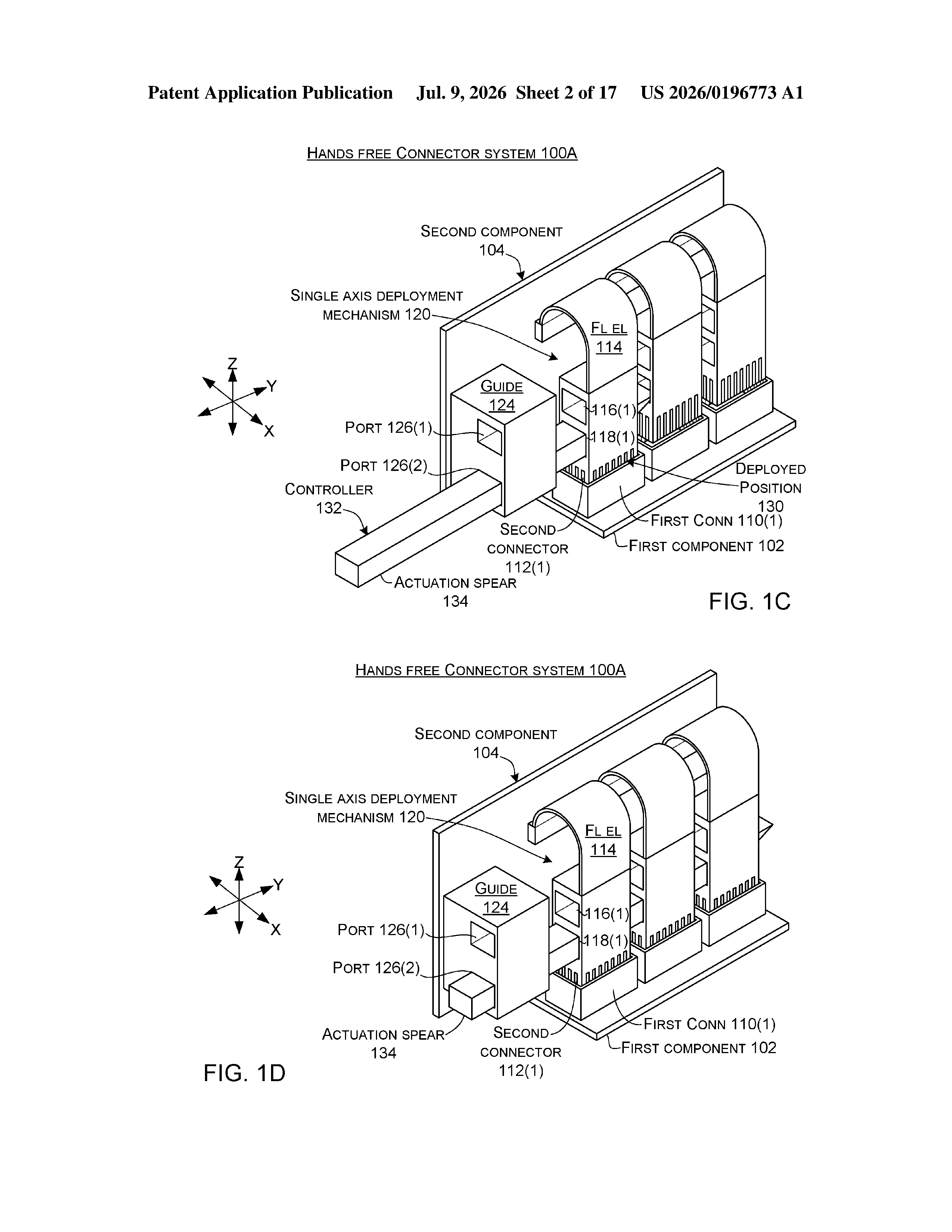
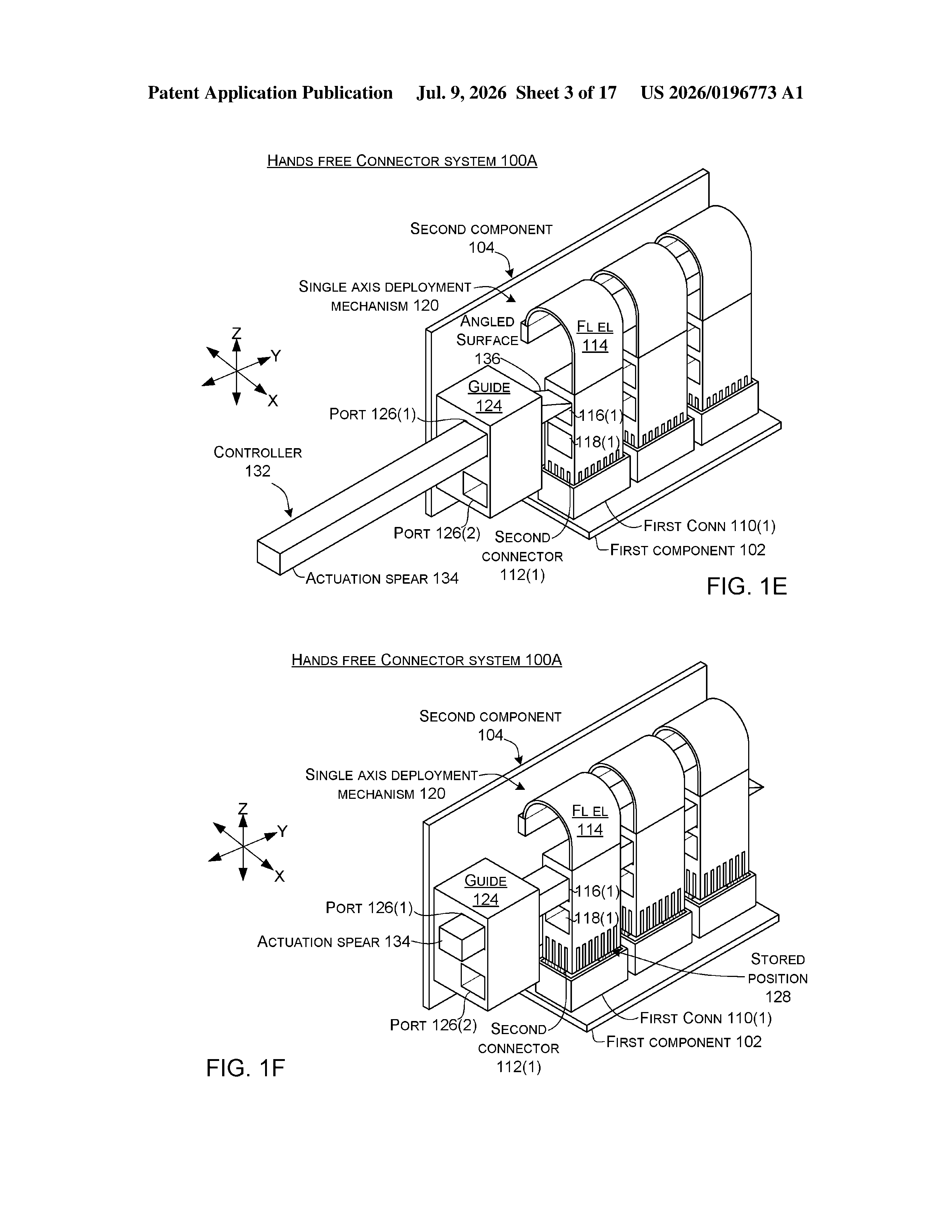
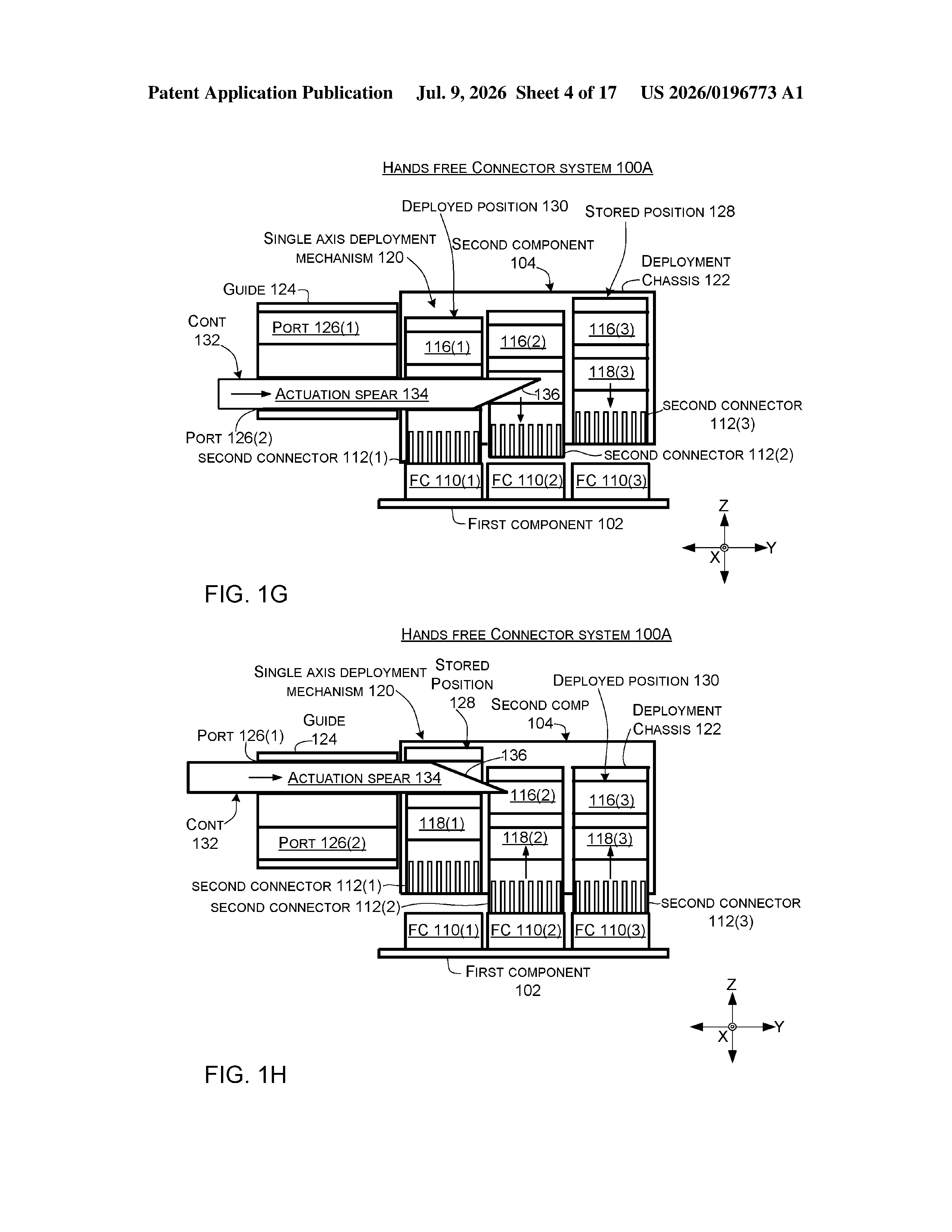
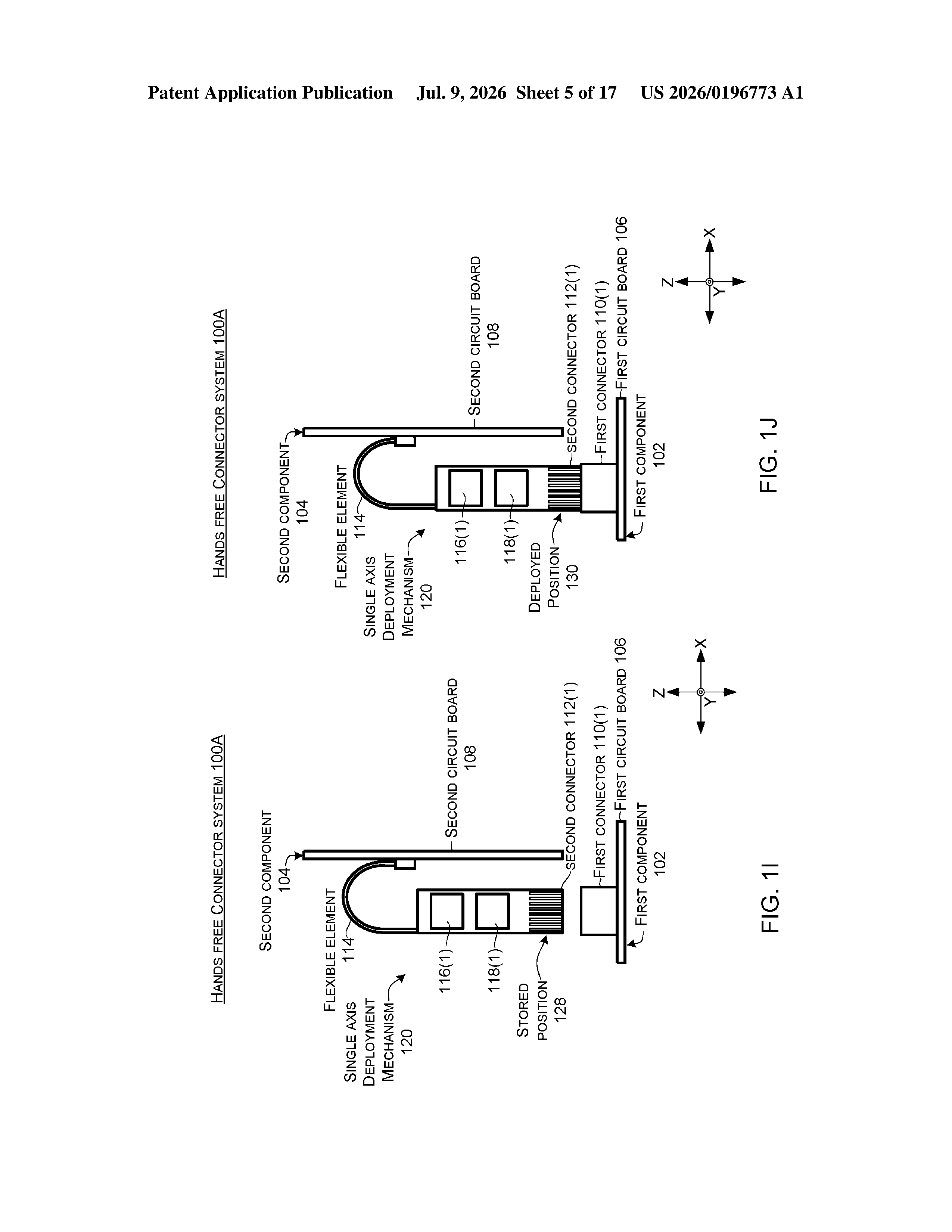
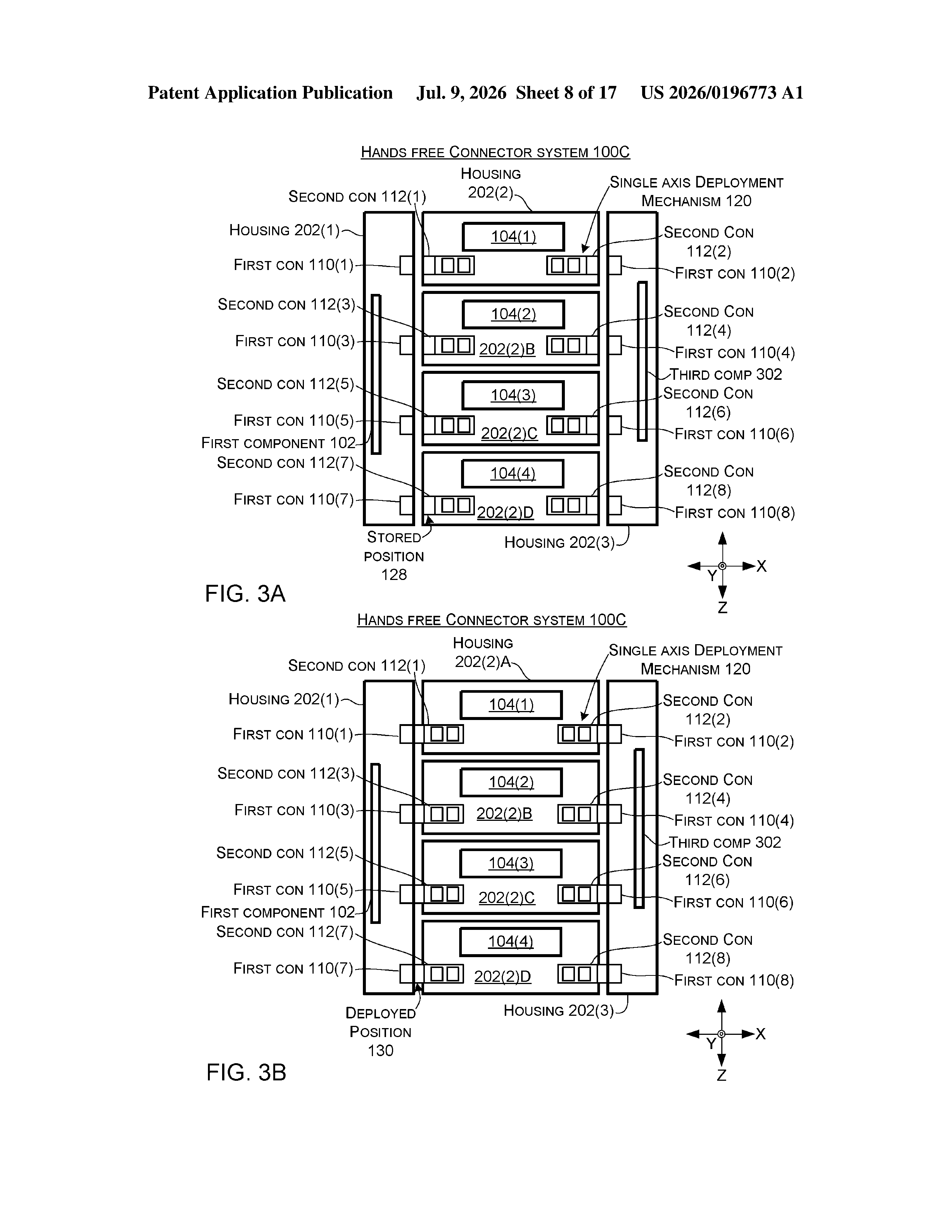
The patent describes a single-axis deployment chassis that sits behind a connector inside a housing. The chassis constrains the connector so it can only move in one direction: straight toward or away from whatever it needs to plug into.
The clever part is how it gets triggered. Rather than requiring you to push directly along that axis, the chassis converts a perpendicular force (a press from the side) into a force along the connector's travel path. Press once from the side, the connector extends and makes contact. Press again from the side, it retracts and breaks the connection.
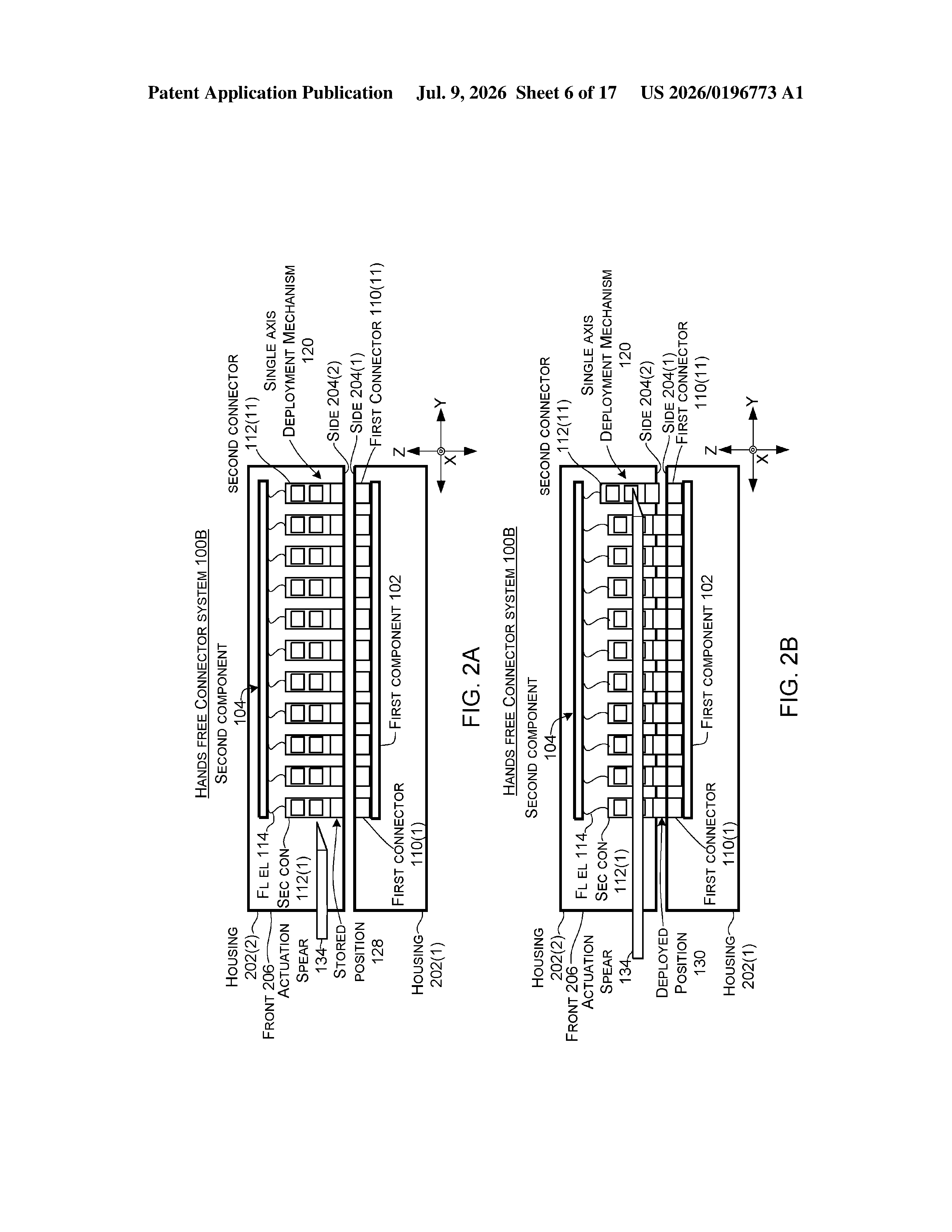
- Stored position: connector is retracted, no electrical contact
- Deployed position: connector extends along the single axis, completing the circuit
- Toggle: each perpendicular press alternates between the two states
The patent also notes the system handles sequential deployment, meaning connectors along a housing can extend one after another rather than all at once. This is likely relevant for multi-pin or multi-connector setups where order of contact matters.
What this means for hands-free or hard-to-reach hardware setups
For consumer devices, this kind of mechanism could show up anywhere internal connectors are awkward to access: modular laptops, docking systems, hot-swappable hardware bays, or AR/VR headset components. The patent's framing around hands-free operation suggests Microsoft is thinking about cases where a user or technician can't easily grip and pull a traditional connector.
For enterprise and data-center hardware, the value is even clearer. Rack-mounted gear and densely packed systems often have connectors that are genuinely hard to reach. A sideways-press toggle removes the need to maneuver fingers into tight spaces, which reduces the chance of damaging adjacent components during installation or servicing.
This is a focused, practical mechanical patent rather than a headline product announcement. The core idea, converting a perpendicular press into axial connector movement, is clever and directly solves a real problem in dense hardware design. Whether it shows up in a consumer product or stays inside enterprise gear, it's the kind of useful engineering that makes hardware easier to live with.
Get our take in your Top Stories
Liked this breakdown? Add Patentlyze as a preferred source on Google, and our plain-English take shows up more often in your Top Stories the next time Microsoft patent news breaks.
There are more where this came from
We read every patent application Big Tech publishes and send you the ones worth knowing. Plain English, free, every week.
The drawings
17 drawing sheets from US 2026/0196773 A1 · click any drawing to enlarge
Want this weekly breakdown for a company we don't cover? Patentlyze Pro →