
Samsung Patents an AI System That Runs Your Humidifier on Less Power
Samsung wants a small AI model to take over your humidifier's controls, reaching the humidity level you want while spending as little electricity as possible to get there.
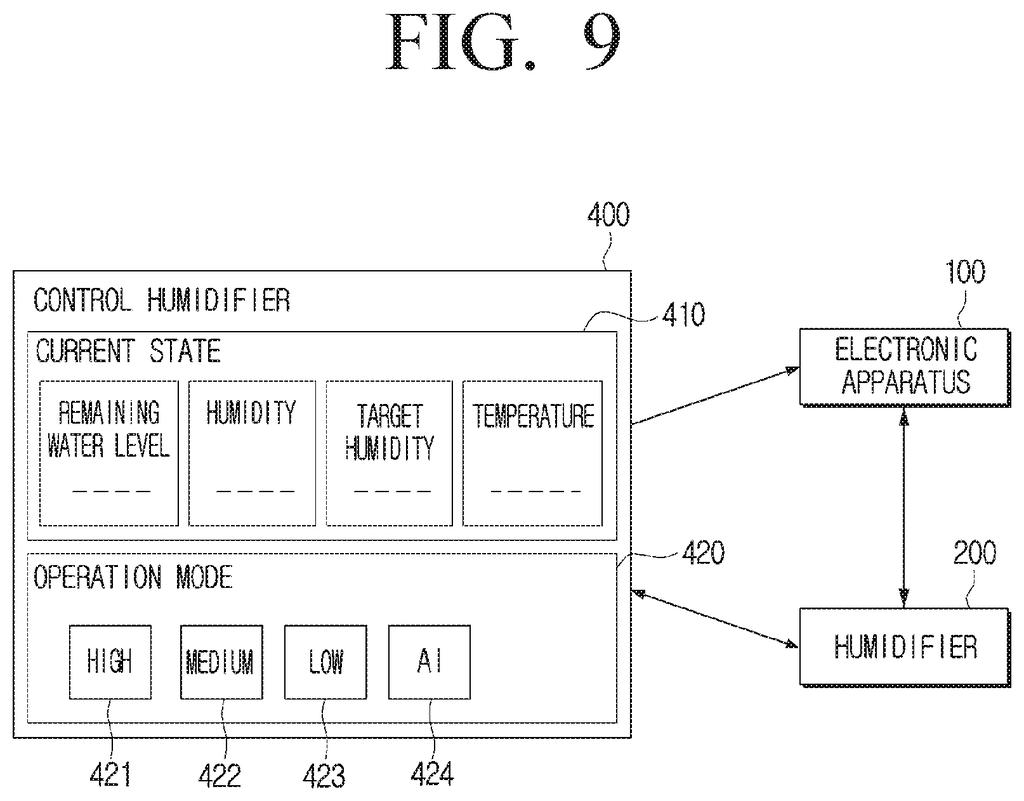
What Samsung's AI humidifier control actually does
Imagine your humidifier just blasts away at full power until the room hits the right humidity level. It gets the job done, but it wastes energy the whole time. Samsung's patent describes a smarter approach: let an AI decide how to run the humidifier so it reaches your target humidity without burning more electricity than necessary.
The system collects a handful of inputs, things like current humidity, room conditions, and how the humidifier is set up, then feeds them into an AI model trained on real power-consumption data. Based on all that, it sends the humidifier a control signal that balances two goals: hit the target humidity within an acceptable window of time, and do it in a low-power mode.
The practical pitch is lower electricity bills and a smaller environmental footprint, without you having to think about it at all. You set the target; the AI figures out the most efficient path to get there.
How the AI picks the lowest-power humidifier setting
The patent describes an electronic apparatus (think a hub, a smart controller, or the humidifier's own onboard chip) that houses an AI model trained on power-consumption data gathered across many combinations of operating conditions.
When the system receives information about a set of control factors (variables like current room humidity, target humidity, fan speed options, or heating-element settings), the AI model evaluates those combinations and picks the one that will reach the target humidity within a specified allowable time range while keeping the device in a low-power state.
The key design choice is that the model was trained specifically on power-consumption data per combination of control factors, not just on how fast a humidifier can humidify. That means it has learned the trade-offs between speed and energy use across a wide range of real conditions.
- Receives multi-factor environmental and device data via a communication unit
- Runs the AI model to identify the lowest-power control signal that still meets the time constraint
- Transmits that control signal to the humidifier
What this means for smart home energy bills
Smart home appliances have gotten good at convenience but not always at efficiency. A humidifier that runs at full tilt every time wastes electricity even when a gentler setting would do the job within a reasonable time. Samsung's approach embeds the efficiency trade-off directly into the control logic, so the device isn't just connected, it's actively optimizing each run cycle.
For consumers, the promise is lower electricity use without manually tinkering with settings. For Samsung, it's a foothold for AI-driven appliance management across a broader smart home lineup. If this logic works for humidifiers, the same framework could apply to air purifiers, dehumidifiers, or any appliance where power consumption varies with operating mode.
This is incremental, not exciting. Applying a trained AI model to appliance control is well-trodden territory, and a humidifier is about as low-stakes as home appliances get. What makes it worth a quick read is the explicit focus on power-consumption training data as the basis for the model, which at least suggests Samsung is treating energy efficiency as a first-class design goal rather than a marketing afterthought.
There are more where this came from
We read every patent application Big Tech publishes and send you the ones worth knowing. Plain English, free, every week.
The drawings
12 drawing sheets from US 2026/0218933 A1 · click any drawing to enlarge


Want this weekly breakdown for a company we don't cover? Patentlyze Pro →