Topic · AI training & infrastructure
Latest AI training & infrastructure patents
The unglamorous machinery underneath: training methods, inference speedups, model compression, and the scheduling tricks that make AI affordable to run.
- in November so far
- 22
- filings tracked
- 324
- last 90 days
- 123
Published November 19, 2026 · 8 filings in this topic
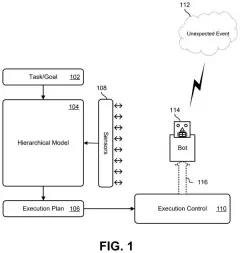
Nvidia · Published Nov 19
Instead of reacting to raw camera pixels, this Nvidia patent has a robot first write down what is true about its surroundings, then pick its next move from that list.
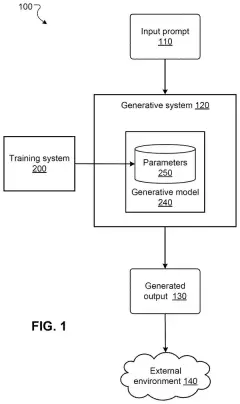
Google · Published Nov 19
Google has filed a patent application for training an AI to grade every step of its own thinking, so it learns to back up and try a different approach instead of rambling.
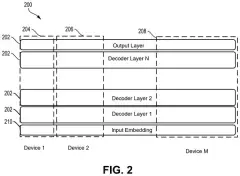
Qualcomm · Published Nov 19
Qualcomm has filed to split one AI model across several devices, so your phone, laptop and tablet could each carry a slice of the load.
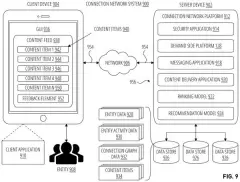
Microsoft · Published Nov 19
Every time a web page loads, advertisers fight in a split-second auction for the ad spot, and Microsoft's new patent application tries to help them win without overpaying. It uses one AI model trained on winning bids and another trained on losing ones.
Recent filings
Newest first · 324 total
-
Snap · Published Nov 19
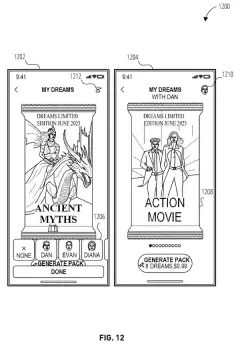
Snap's filing turns your selfies into an AI character, then drops it into themed story scenes, even alongside your friends. The twist is the business model: a free first batch, then paid packs.
-
Nvidia · Published Nov 19
Instead of reacting to raw camera pixels, this Nvidia patent has a robot first write down what is true about its surroundings, then pick its next move from that list.
-
Microsoft · Published Nov 19
Every time a web page loads, advertisers fight in a split-second auction for the ad spot, and Microsoft's new patent application tries to help them win without overpaying. It uses one AI model trained on winning bids and another trained on losing ones.
-
IBM · Published Nov 19
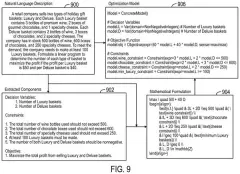
How do you train an AI on problems that come with no answer key? IBM's patent application says to mash real problems together, let the AI solve each one several ways, and keep only the answers that agree.
-
Qualcomm · Published Nov 19
Qualcomm has filed to split one AI model across several devices, so your phone, laptop and tablet could each carry a slice of the load.
-
Google · Published Nov 19
Google has filed a patent application for training an AI to grade every step of its own thinking, so it learns to back up and try a different approach instead of rambling.
-
Microsoft · Published Nov 19
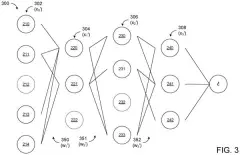
Some giant AI models already skip most of their own parts to save effort. Microsoft's patent application trims the parts that are left, too.
-
Samsung · Published Nov 19
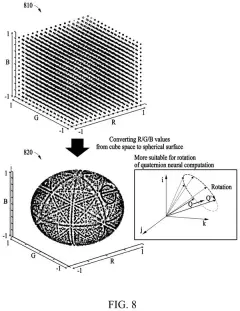
Squeezing an AI model onto a phone means rounding off its numbers, and rounding too bluntly costs accuracy. Samsung's twist is to round the angle hiding behind each number instead.
-
Sony · Published Nov 12
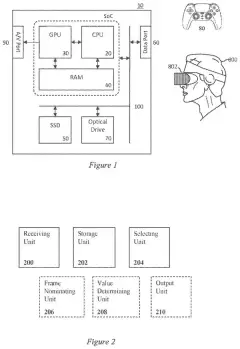
Sony's idea for teaching game AI to dodge: keep plenty of video frames right around the key moment, then space them further apart the further back you look.
-

Samsung · Published Nov 12
Zoom into an old photo and it falls apart into mush. Samsung has filed a patent on a training method meant to help AI rebuild the fine texture that low-resolution images lose.
-
Microsoft · Published Nov 12
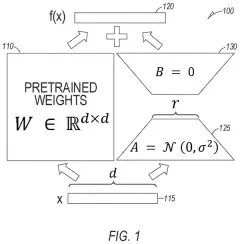
Teaching a giant AI model a new job usually means storing and loading a full adjusted copy of the whole thing. Microsoft's patent describes leaving the big model alone and training a tiny add-on instead.
-
Google · Published Nov 12
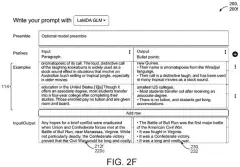
A few rows of examples in a table could be enough to customize an AI model, according to a new Google patent application.
One email a week
The week’s top patents. Plain English. Free.
The best of each week's release, picked and explained.
