
Samsung Patents a Fix for Audio That Goes Quiet When You Switch to Mono
When you connect a single Bluetooth speaker to your phone, some songs can go eerily quiet or lose entire instrument layers. Samsung's new patent targets exactly that problem.
Why stereo sound sometimes vanishes on a single speaker
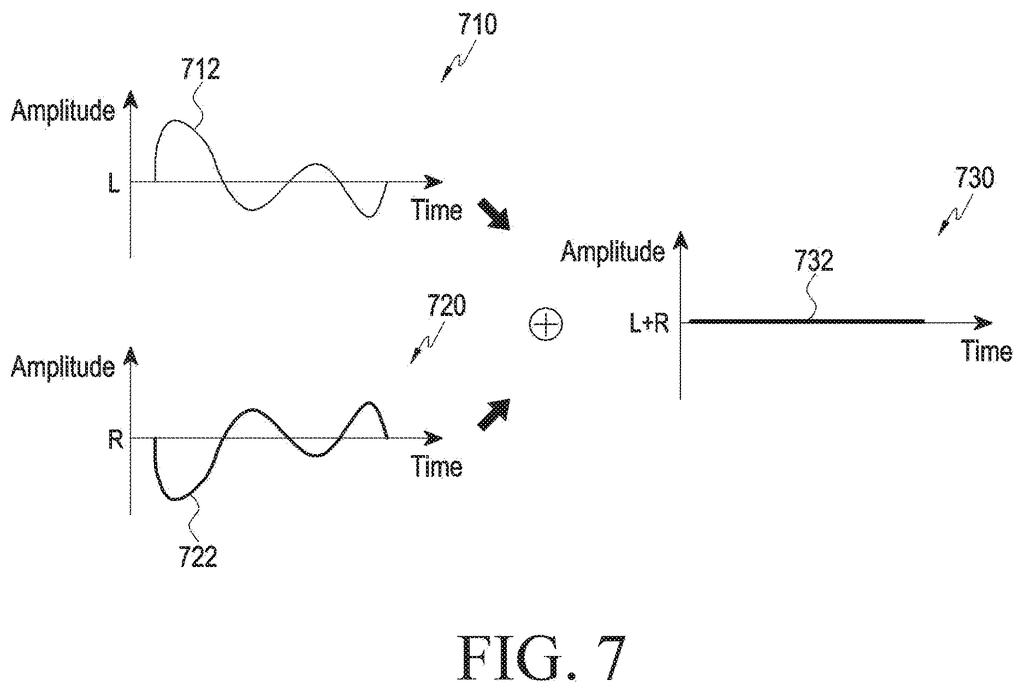
Imagine you're playing a song on your phone and then connect a single Bluetooth speaker. Instead of hearing the full track, the music sounds thin or nearly silent. This happens because most audio is recorded in stereo (two separate channels, left and right), and when those two channels are blended into one for a single speaker, some sounds can cancel each other out entirely.
Samsung's patent describes a system that catches this problem before it ruins your listening experience. When your phone detects it needs to output audio through a single channel, it checks whether blending the left and right tracks would cause that cancellation. If it spots trouble, it flips the audio wave on one channel before mixing, which prevents the sounds from wiping each other out.
The whole process happens automatically, without you touching anything. Your phone or a connected device like a Galaxy Buds case or a Bluetooth speaker just gets cleaner, fuller audio instead of a mysteriously quiet mix.
How Samsung's phase-inversion check prevents audio dropout
When a Samsung device detects a mono output event (meaning audio must be sent through a single channel rather than separate left and right channels), the system runs a quick diagnostic on the incoming stereo audio.
First, it calculates signal level values for each channel individually. If either channel's level crosses a set threshold, it proceeds to calculate a third value for the mixed audio (left and right combined). This mixed value is essentially a measure of the combined signal's energy or amplitude.
- If the mixed value meets a normal condition, the device outputs the standard blended audio as-is.
- If the mixed value meets an abnormal condition (meaning significant cancellation is detected), the device inverts the phase of the first channel before remixing. Phase inversion flips the audio waveform upside down, so instead of the two channels subtracting from each other, they add together more constructively.
The corrected mix is then sent either through the device's own audio output module or transmitted over the communication module to an external audio device like a Bluetooth speaker or wireless earbuds. The check happens at the point of output, so the original stereo source file is never altered.
What this means for Galaxy phones and Bluetooth speakers
Phase cancellation in mono playback is a real, persistent audio problem, not an edge case. It shows up most often with certain music genres (electronic, pop, orchestral recordings) where producers deliberately place opposing frequencies on opposite channels for width. When collapsed to mono, those tracks can lose bass, vocals, or entire instruments. This patent suggests Samsung is building an automatic correction layer directly into the audio pipeline of its devices.
For you as a user, this would mean Galaxy phones, tablets, or Galaxy-paired Bluetooth speakers producing more consistent audio quality without any manual equalizer adjustments. It also signals Samsung's intent to differentiate on audio fidelity in devices that often output to single-speaker setups, a common real-world scenario in kitchens, offices, and outdoor settings.
This is a narrow but genuinely useful fix for a real audio problem that most manufacturers simply ignore. It won't show up on a spec sheet, but the people who've noticed their music go thin on a solo Bluetooth speaker will immediately appreciate it. Whether Samsung ships this as a software update or bakes it into new hardware remains to be seen, but it's a sensible quality-of-life improvement.
There are more where this came from
We read every patent application Big Tech publishes and send you the ones worth knowing. Plain English, free, every week.
The drawings
10 drawing sheets from US 2026/0219834 A1 · click any drawing to enlarge


Want this weekly breakdown for a company we don't cover? Patentlyze Pro →