
Samsung Patent Adjusts Video Content According to Your Body's Physical Reactions
Samsung is exploring a TV or streaming device that doesn't just play content, it watches you back, using sensor readings to slip different video in between the frames you were already watching.
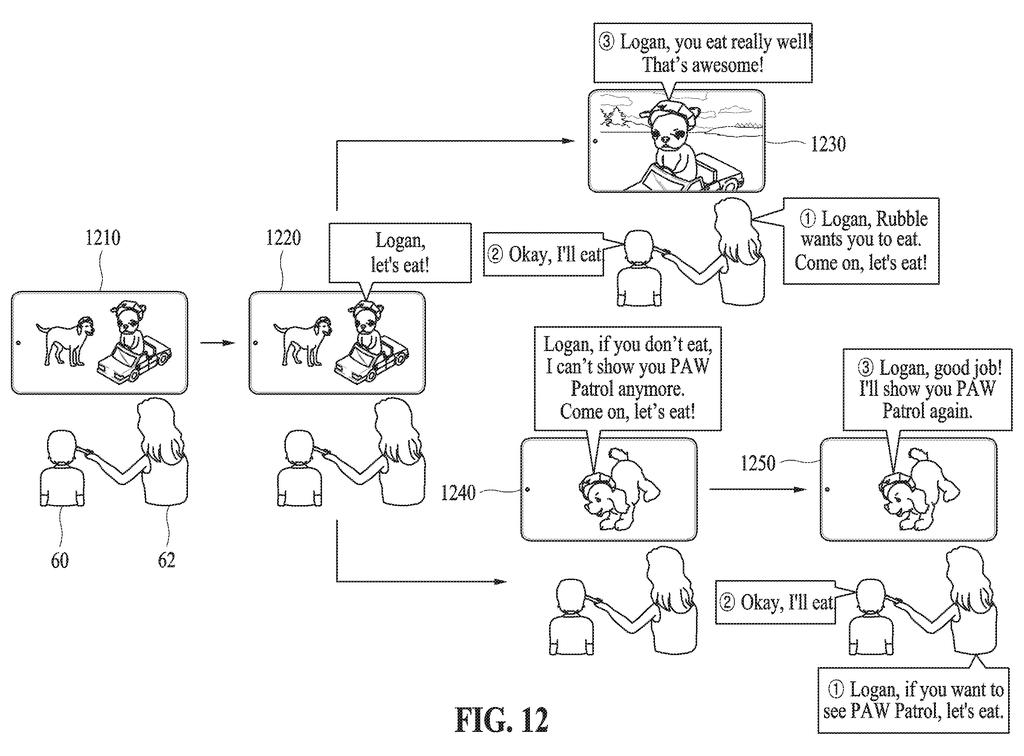
How Samsung's body-sensing video system actually works
Imagine you're watching a high-energy action movie late at night, and a sensor on your wrist notices your heart rate is elevated and your eyes are showing strain. What if your TV swapped in calmer footage between scenes, based on how you're physically feeling?
That's the idea Samsung is patenting here. The device tracks two snapshots of your physical state while video is playing, and if the gap between those states is significant enough, it inserts a new segment of video between the frames you'd normally see. Think of it as a hidden editorial layer that adjusts the pacing or content based on your body's signals.
Then, after that inserted segment starts playing, the device keeps reading your sensors and uses that fresh data to decide what comes after. It's a feedback loop: content shapes your state, your state shapes the content.
determine, respectively, a first state of a user and a second state of the user, based on one or more of a property of first video content and first sensor data acquired while the first video content is being output …
Translation: The device tracks how the user feels before and during the video using built in sensors.
How the device reads sensor data and swaps in new frames
The patent describes a system with three distinct video layers working in sequence.
- First video content: the original stream being played, like a movie or show.
- Second video content: new frames inserted between frames of the original, triggered when sensors detect a meaningful shift in the user's state (things like heart rate, stress markers, or eye-tracking data gathered while the first content plays).
- Third video content: a further continuation, determined by a second round of sensor data collected after the inserted segment begins playing.
The key mechanism is comparing two user states: one recorded during the original playback, another derived from combining the content's own properties (pace, brightness, audio) with live sensor readings. If those states differ enough, the device intervenes.
After that intervention, a new sensor reading drives what happens next, creating a closed loop where your physiology feeds back into the content stream continuously. The patent doesn't name specific sensors, but the language is broad enough to cover wearables, cameras, or built-in device sensors.
… output second video content including second image frames temporally positioned between first image frames of the first video content, based on a difference between the first state and the second state …
Translation: It inserts new transition scenes into the video based on how the user's physical state changes.
What this means for Samsung TVs and wearable-linked viewing
Samsung makes both TVs and Galaxy wearables that measure heart rate, stress, and sleep readiness. A system like this would let those products talk to each other in a genuinely new way: your watch tells your TV how you're doing, and the TV responds by changing what it shows you.
For viewers, the practical question is whether this would feel helpful or intrusive. A device that gently winds down video intensity when it senses you're overstimulated before bed is one version of this. A device that interrupts your thriller to show you something "calmer" because your heart rate went up during a chase scene is a much less welcome version. How Samsung draws that line will matter a lot.
This is one of the more genuinely unusual patent ideas Samsung has filed recently. The closed-loop structure, where your body's response to inserted content then determines the next content, is a meaningful departure from simple "calm-down mode" features. Whether it turns into anything real depends heavily on whether Samsung can acquire sensor data enough that users don't feel monitored while watching TV.
There are more where this came from
We read every patent application Big Tech publishes and send you the ones worth knowing. Plain English, free, every week.
The drawings
11 drawing sheets from US 2026/0230672 A1 · click any drawing to enlarge


Want this weekly breakdown for a company we don't cover? Patentlyze Pro →
Be the first to weigh in