
Sound Pulses Through Your Body Could Power Future Temperature-Tracking Wearables Patent
Your skin temperature is not your body temperature. Samsung is patenting a wearable that uses sound waves passing through your body to close that gap.
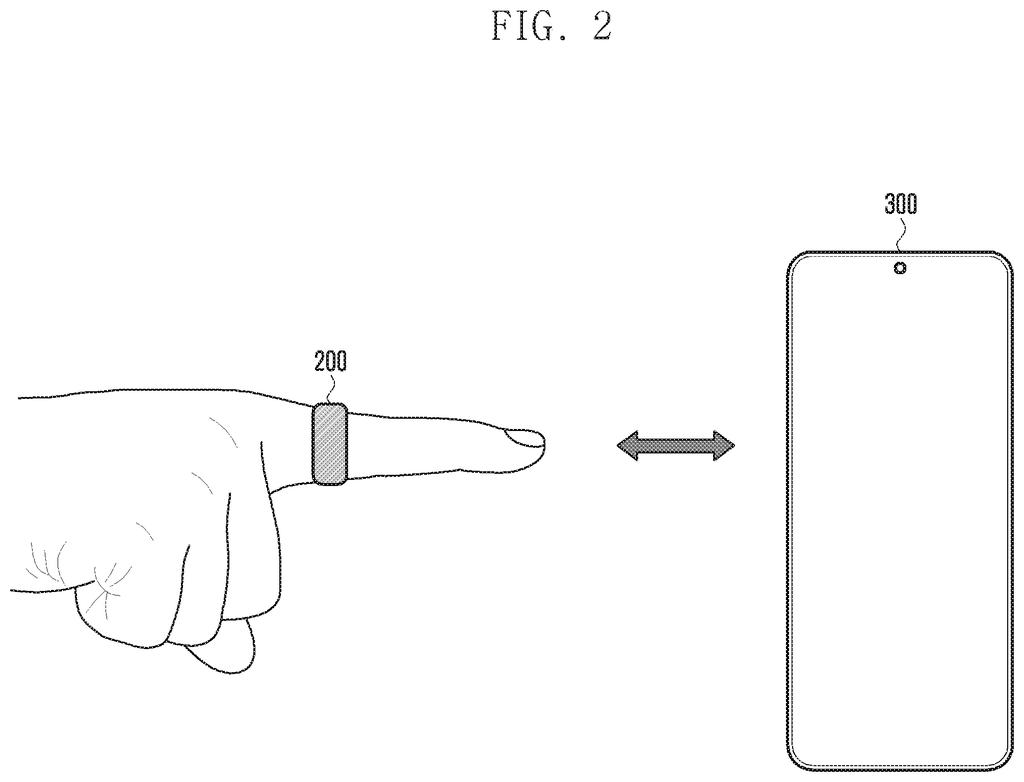
How Samsung's ultrasonic thermometer wristband would work
Imagine your smartwatch taking your temperature the same way a doctor would, not just reading the heat radiating off your wrist but actually measuring what's going on inside. That's the idea behind this Samsung filing.
The device starts by getting an accurate baseline reading, either from a built-in thermometer or from a reading synced from your phone or a medical device. At that same moment, it fires a tiny ultrasonic pulse (think medical ultrasound, but much simpler) through your body and records how fast it travels. Sound moves faster through warmer tissue, so that speed becomes a fingerprint tied to your baseline temperature.
After that, the watch no longer needs the traditional sensor to keep tabs on you. It just keeps sending those sound pulses and watching how the travel time shifts. If the sound slows down or speeds up relative to the baseline, the watch calculates how much your core temperature has changed and updates its reading accordingly. The result is continuous temperature tracking that doesn't rely solely on a skin surface measurement.
How sound speed changes translate into temperature readings
The patent describes a wearable device, almost certainly a smartwatch form factor, equipped with at least one ultrasonic sensor alongside a conventional skin-contact temperature sensor.
Here's the sequence the system follows:
- Calibration: The device first locks in a reference body temperature, pulled from either its own thermometer or a reading received wirelessly from an external device (like a medical-grade thermometer or a paired smartphone).
- Baseline sound measurement: While worn, the device fires an ultrasonic wave through the user's body and records that wave's speed. Because the speed of sound through tissue changes predictably with temperature, this speed number is stored in memory alongside the reference temperature as a matched pair.
- Continuous tracking: Later measurements fire the same ultrasonic pulse and compare the new speed against the stored baseline. The difference in speed is converted into a temperature delta (the change from the starting point), which is then applied to the original reference reading to produce a corrected, updated temperature estimate.
The patent also mentions the ability to receive reference temperatures from external devices over wireless communication, which suggests the system is designed to bootstrap its accuracy from a trusted source rather than relying on its own skin sensor alone.
What this means for wearable health tracking accuracy
Skin temperature, what today's wearables typically measure, can swing several degrees based on how cold the room is, whether you've been exercising, or how tight the band fits. Core body temperature is what actually tells you if you have a fever or are getting sick. The gap between those two numbers is exactly why doctors don't diagnose fever with a wristwatch.
If Samsung can make ultrasonic speed-of-sound tracking accurate and power-efficient enough for a Galaxy Watch, continuous core-temperature monitoring becomes a real possibility rather than a clinical-grade luxury. That's a meaningful step for fever detection, menstrual cycle tracking, and general wellness monitoring. The practical hurdles, including battery drain, sensor placement, and calibration consistency, are real, but the underlying physics is sound.
This is a genuinely interesting approach to a problem that has frustrated wearable makers for years: skin sensors just aren't accurate enough for medical use. Using sound-speed physics to track temperature changes continuously is clever and grounded in real science. Whether Samsung can miniaturize it into a watch band that lasts more than a day on a charge is the real question, but this filing shows they're taking the problem seriously.
There are more where this came from
We read every patent application Big Tech publishes and send you the ones worth knowing. Plain English, free, every week.
The drawings
15 drawing sheets from US 2026/0207162 A1 · click any drawing to enlarge


Want this weekly breakdown for a company we don't cover? Patentlyze Pro →
Be the first to weigh in