
Samsung Patents a Layer-Aware Privacy Filter for Displays
What if your phone could make just your banking app invisible to the person sitting next to you on the subway — without dimming the rest of your screen? That's the core idea behind this Samsung display patent.
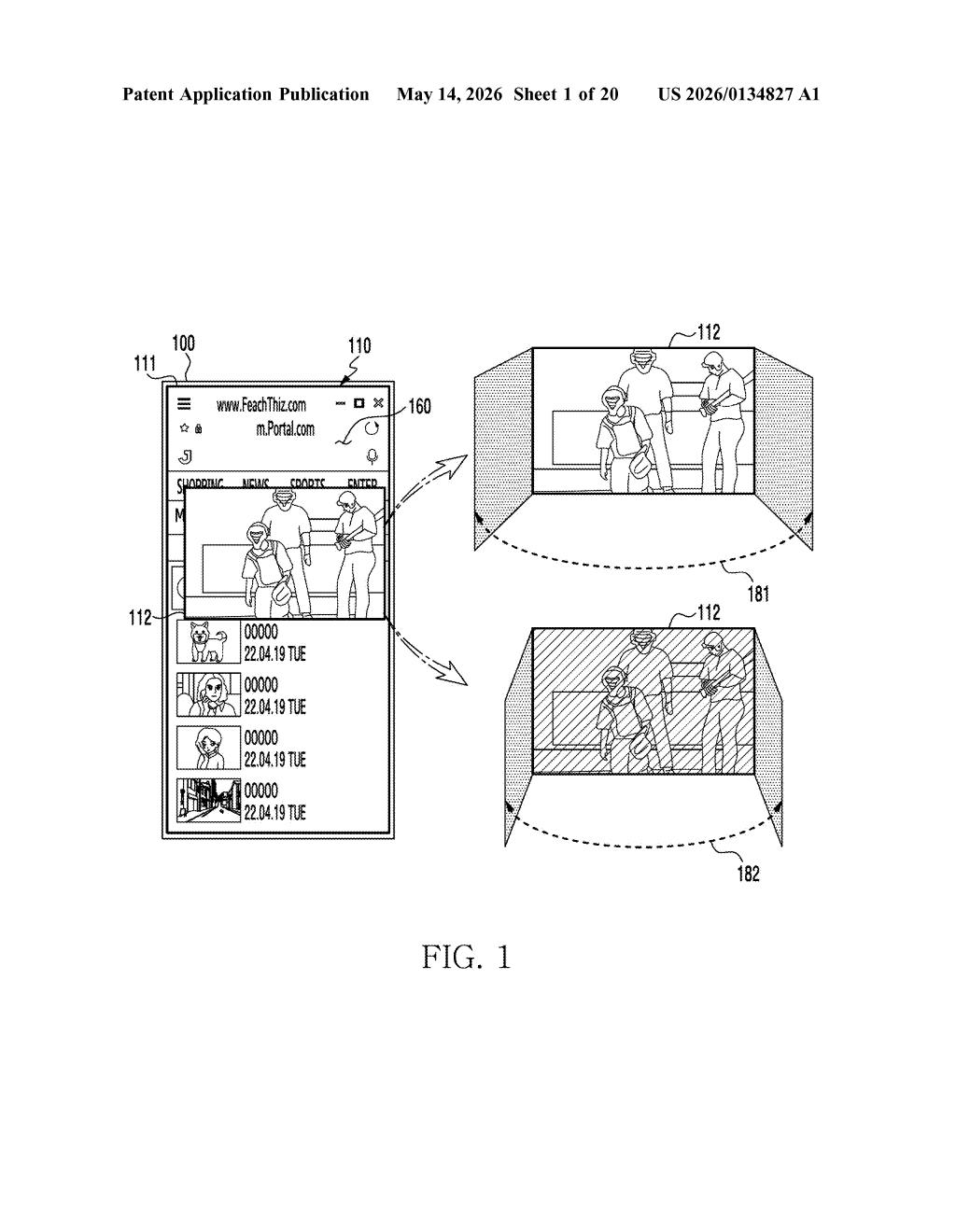
What Samsung's per-layer privacy display actually does
Imagine you're on a crowded bus, checking your bank balance while a map app is open underneath. Right now, if you want to stop the person next to you from seeing your account number, your only real option is a whole-screen privacy screen protector — which makes everything harder to see.
Samsung's patent describes a smarter approach. Your display would be able to narrow the viewing angle of just one part of the screen — specifically, a floating layer like a notification, pop-up, or active app window — while leaving the rest of the screen visible at normal angles.
You'd have two levels of control. A first tap applies the privacy filter to just the foreground layer (say, a chat bubble). A second input also narrows the angle of the area behind that layer, so even the background content in that zone gets shielded. The screen looks normal to you head-on, but blurry or dark to anyone off to the side.
How Samsung's pixel processing narrows angles by layer
The patent describes a layered display architecture where an image on screen is composed of at least two layers: a base layer (first layer) and an overlay layer (second layer) positioned on top of a portion of it — think of a floating app window or notification card sitting on top of your home screen.
The display driver circuitry handles two distinct privacy modes triggered by user input:
- First input: Narrow the viewing angle of only the second (overlay) layer. The pixel processing is applied to the specific screen area where that overlay lives, leaving the background fully visible from any angle.
- Second input: Extend the privacy zone — narrow the viewing angle of both the overlay layer and the portion of the base layer directly underneath and around it (a "second area" surrounding the first).
The mechanism for actually narrowing the viewing angle is described as pixel processing — a technique where individual pixels are manipulated (typically by adjusting their light output in a direction-dependent way, often using a switchable liquid crystal layer or similar optical element integrated into the display stack) so the image washes out at oblique angles.
Notably, this logic lives in the display driver circuitry itself, not just software — meaning the privacy filter can operate at a hardware level, tied directly to which screen region is rendering which layer.
What this means for Galaxy privacy and on-device UI
For Samsung's Galaxy lineup, this kind of granular privacy control could be a meaningful differentiator. Current privacy screen solutions are all-or-nothing — physical films or software-level dimming that affect the whole panel. A layer-aware filter means you could keep navigation or media visible to others while shielding sensitive UI elements like password fields, payment screens, or private messages without interrupting your workflow.
The fact that the patent ties the filter to the display driver — not just the OS — also suggests this could work consistently across apps, since it operates at a lower level than individual app developers need to implement anything. If Samsung ships this in a future Galaxy display, it could become a selling point in the same category as Samsung DeX or Knox-level security features.
This is a genuinely practical idea that solves a real, everyday annoyance — shoulder-surfing. The layer-aware approach is more elegant than anything currently on the market, and tying it to driver-level pixel processing rather than a software overlay is the right engineering call. Whether Samsung can make it work seamlessly at the hardware level without degrading display quality at normal viewing angles is the real question.
There are more where this came from
We read every patent application Big Tech publishes and send you the ones worth knowing. Plain English, free, every week.
Want this weekly breakdown for a company we don't cover? Patentlyze Pro →