
Samsung Patents a Reference Signal Timing Method for Faster 5G/6G Cell Switches
Every time your phone silently hands off from one cell tower to another, a tiny window of chaos opens where timing can slip and performance can drop. Samsung's new patent targets exactly that gap.
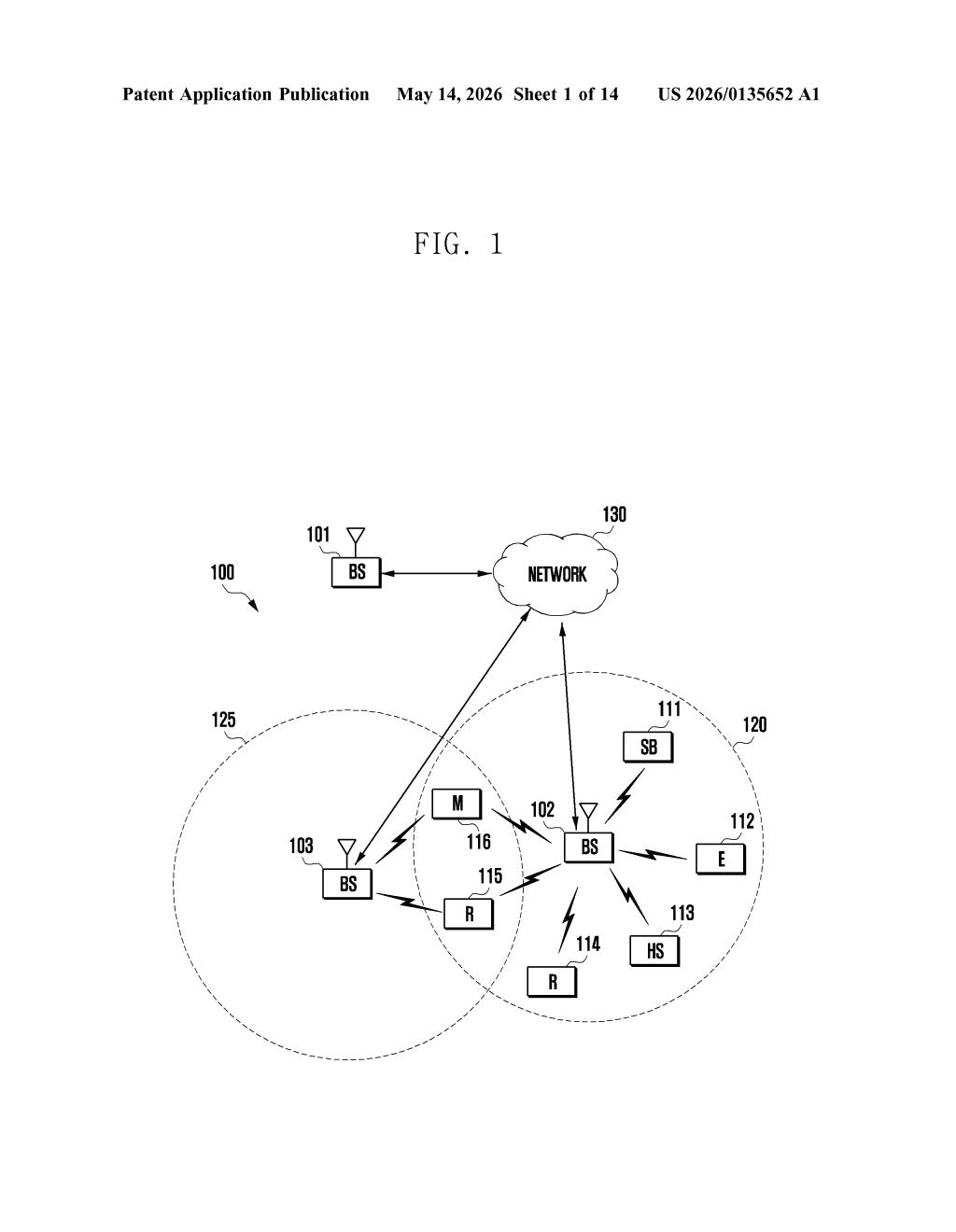
How Samsung's cell-switch timing fix actually works
Imagine you're on a video call while riding a train. Your phone is constantly deciding which nearby cell tower gives you the best signal, and it quietly switches between them without you noticing — ideally. In practice, those switches can cause brief hiccups because your phone needs to sync its timing with a new cell, and that process isn't always smooth.
Samsung's patent describes a smarter way to handle this. Instead of your phone figuring out timing on its own during a switch, the base station sends your phone explicit information about which cells are associated with a particular reference signal — essentially a timing beacon. Your phone then uses the timing of those named cells to lock in precisely.
The goal is to make cell switches faster and more accurate, reducing the measurement and reporting overhead that currently slows things down. It's a relatively incremental improvement, but in dense 5G and future 6G environments where you might be switching cells every few seconds, cleaner handoffs add up to noticeably better reliability.
How the UE derives reference signal timing from cell info
The patent describes a protocol-level mechanism that runs between a user equipment (UE) — your phone or any 5G device — and a base station (the cell tower infrastructure).
Here's the core flow:
- The base station sends indication information to the UE specifying which cell or cells are associated with a given reference signal (a known signal pattern used for measurement and synchronization).
- The UE reads that cell association and derives the timing of the reference signal from the timing of those indicated cells — rather than independently estimating or measuring it.
- This timing information is then used to improve measurement, reporting, and cell-switch decisions, reducing ambiguity during handoffs.
The key insight is that reference signal timing in multi-cell environments can be ambiguous — different cells have slightly different clocks, and without explicit guidance the UE has to guess or measure. By having the network tell the UE which cell's timing to anchor to, the process becomes deterministic and faster.
This fits within the broader 5G NR and emerging 6G standards work around mobility enhancements, where reducing latency during cell transitions is a known performance bottleneck.
What this means for 5G and 6G handoff performance
As 5G networks get denser — more small cells packed into stadiums, transit hubs, and city blocks — your device switches between cells more frequently. Each switch is a potential source of latency or dropped throughput. A cleaner timing mechanism means faster, more reliable handoffs with less measurement overhead eating into your bandwidth.
For 6G, where the vision involves even higher frequencies and smaller cell sizes, this kind of precise timing coordination becomes even more critical. Samsung, as a major 3GPP standards contributor, likely intends to push something like this into the spec process — meaning the benefit wouldn't be Samsung-only hardware, but potentially industry-wide.
This is a focused, incremental standards-track patent — not a splashy consumer feature, but exactly the kind of unglamorous plumbing that determines whether 5G actually delivers on its promises in real-world dense deployments. Samsung files a lot of these, and many end up in 3GPP proposals. It's worth tracking if you follow cellular standards, but it won't make headlines outside that world.
There are more where this came from
We read every patent application Big Tech publishes and send you the ones worth knowing. Plain English, free, every week.
Want this weekly breakdown for a company we don't cover? Patentlyze Pro →