
Samsung Patents a Self-Descaling Docking Station for Robot Mops
Robot mops that heat water for cleaning are a great idea — until limescale quietly gunks up the heating element and kills performance. Samsung's new patent tackles that problem by building an automatic descaling cycle right into the docking station.
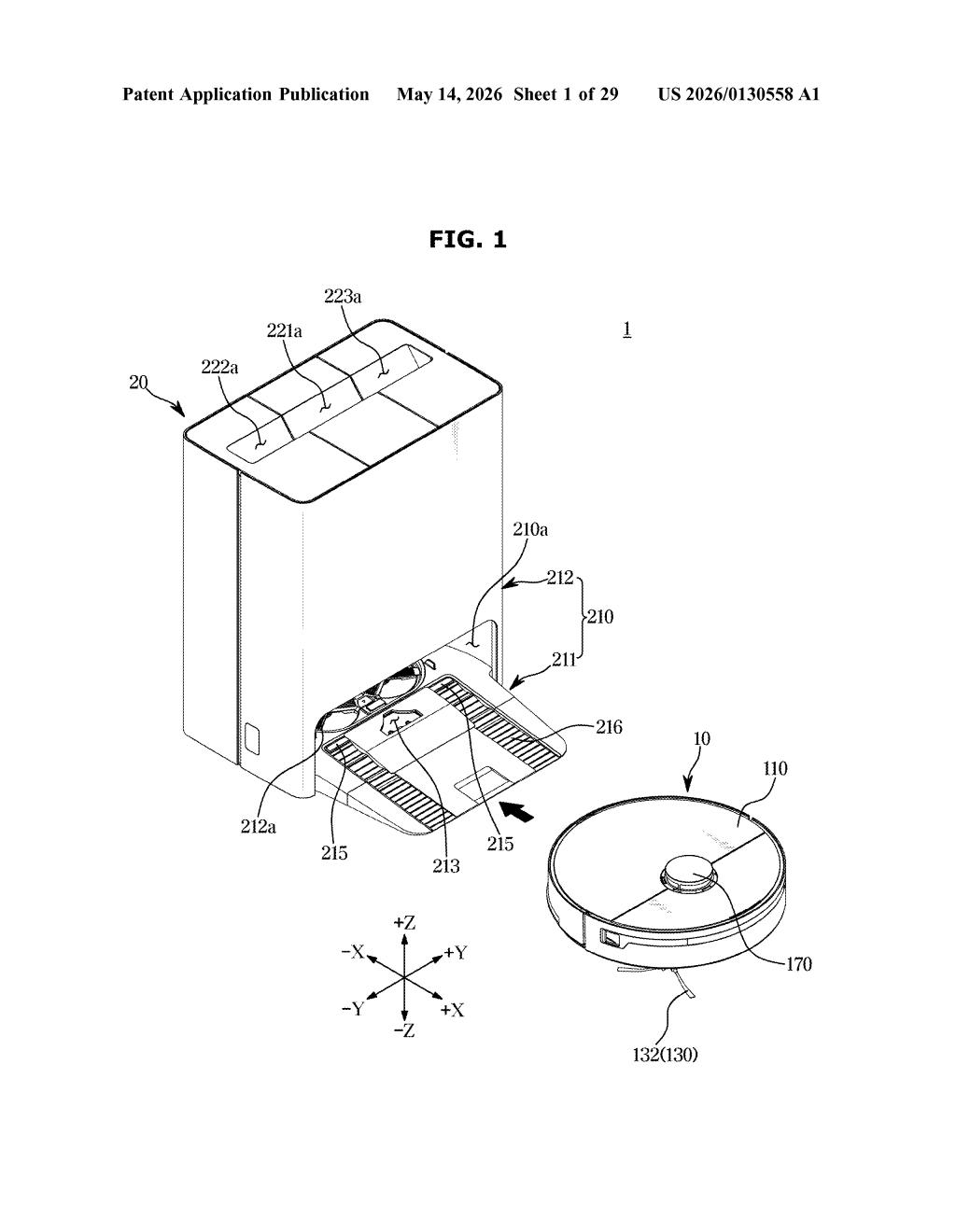
What Samsung's auto-descaling robot mop station actually does
Imagine a robot mop that heats water to clean your floors more effectively. Sounds great, right? The catch is that any device that heats water repeatedly — like a kettle or an espresso machine — eventually builds up limescale, the chalky mineral deposit that reduces heating efficiency and can shorten the device's life.
Samsung's patent describes a docking station that solves this automatically. When your robot mop is out cleaning, the station can run a descaling cycle on its own heating element — pumping a descaling solution through the system to dissolve the mineral buildup, all without you lifting a finger.
The key detail: the descaling only happens when the robot is not docked. When the robot is home, the station heats clean water for mopping as normal. When the robot leaves, the station can switch to maintenance mode. It's a tidy bit of coordination that keeps the hardware healthy over time.
How the station switches between mopping and descaling modes
The patent describes a two-mode system built around a shared tank, pump, heating device, and controller inside the docking station.
- Normal mopping mode: When the robot mop is docked, the controller tells the pump to move clean water from the tank through the heating element. The heated water is then used to wet the mop cloth on the robot's underside before it heads out to clean.
- Descaling mode: When the robot is not docked, the tank is filled with a descaling solution — think citric acid or a similar substance that dissolves calcium and mineral deposits. The controller pumps this solution through the same heating element, stripping away the scale that has accumulated from repeatedly heating tap water.
The controller is the linchpin here — it checks whether the robot is docked before deciding which mode to run. This prevents descaling solution from accidentally reaching the mop cloth (which would then drag chemicals across your floor).
The patent doesn't specify exactly what triggers the descaling cycle — whether it's a timer, a user command, or a sensor detecting scale buildup — but the core mechanism is the conditional logic: robot present = heat water, robot absent = run descaling.
What this means for robot mop maintenance headaches
Limescale is one of the most common reasons appliances that heat water degrade over time, and it's especially insidious because it happens invisibly. Most robot mop owners are unlikely to think about descaling their dock the way they might descale a coffee machine — so a system that handles it automatically is genuinely useful friction-reduction.
For Samsung, this fits into a broader strategy of making its robot cleaning lineup (the Jet Bot series) more hands-off and self-sufficient. If the station can maintain itself, the pitch to consumers becomes stronger: you really don't have to do anything. It's a small but practical feature that could extend the hardware's lifespan and reduce support complaints.
This is unglamorous but smart appliance engineering. Descaling is a real maintenance problem that most consumers ignore until something breaks, and automating it inside the dock is an elegant solution. It won't win any headlines, but it's exactly the kind of detail that separates a good product from a frustrating one after two years of ownership.
There are more where this came from
We read every patent application Big Tech publishes and send you the ones worth knowing. Plain English, free, every week.
Want this weekly breakdown for a company we don't cover? Patentlyze Pro →