
Samsung Patents a Robot Vacuum That Picks Up Objects in Its Path
Most robot vacuums give up when they hit a sock on the floor. Samsung is patenting one that picks the sock up, moves it, cleans underneath, and carries on.
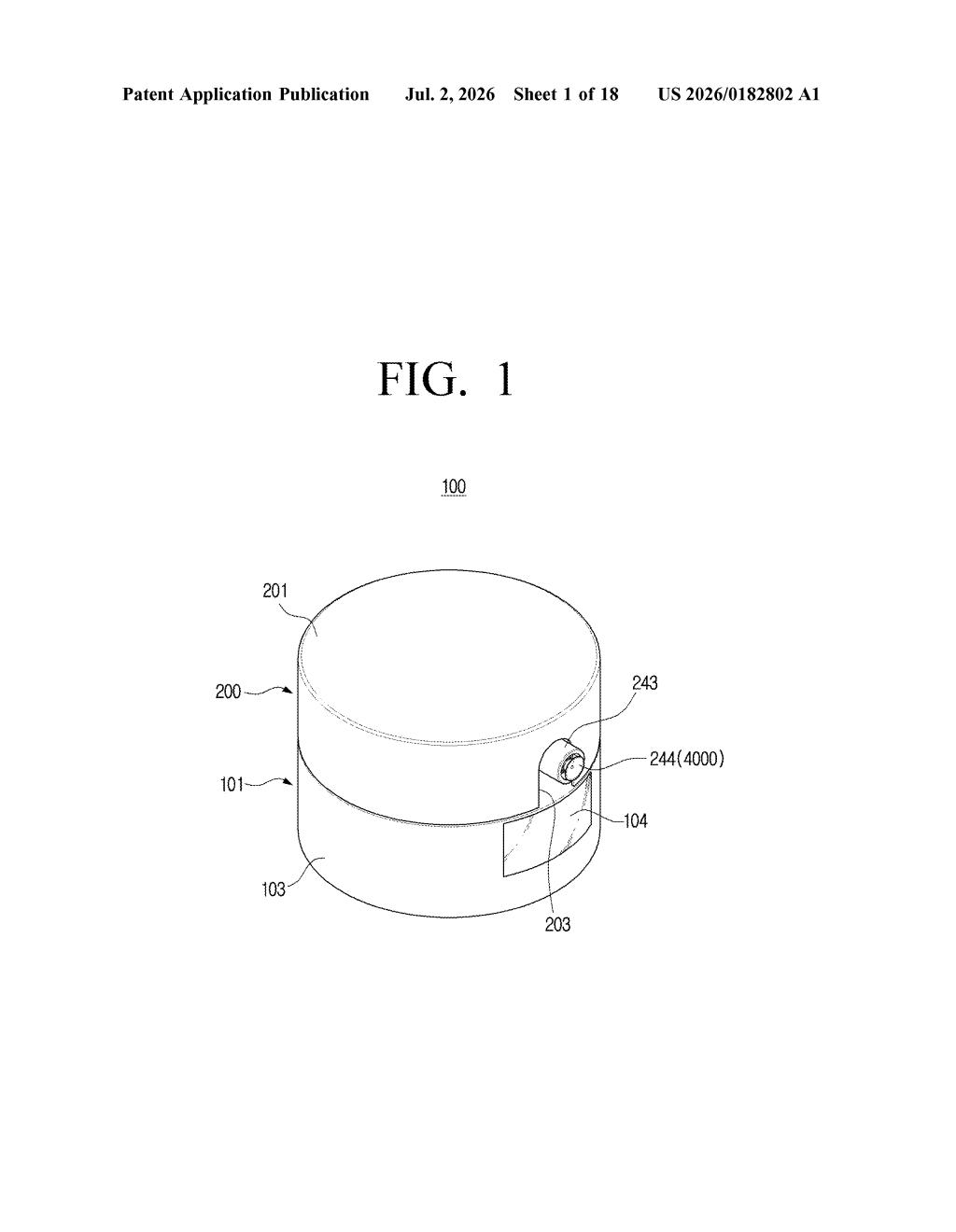
What Samsung's object-moving robot vacuum actually does
Imagine your robot vacuum rolls toward a shoe in the middle of the room. Right now, it either bumps into it, gets stuck, or just cleans around it. Samsung's new patent describes a robot cleaner with a built-in arm that can actually reach out, grab the object, and move it to a new spot before cleaning that area.
The robot uses sensors to figure out whether an obstacle can be moved. If the arm can lift it, the robot relocates the object, cleans the original spot, and keeps going. If the object turns out to be too heavy, the robot falls back to the standard plan: go around it.
A second sensor also watches for nearby furniture or walls so the arm doesn't accidentally knock something over while it's working. The whole system is designed to let the robot handle a messier, real-world floor without you having to tidy up first.
How the arm decides to lift, move, or avoid an obstacle
The patent describes a robot cleaner with two key additions beyond the usual drive-and-vacuum setup: a motorized arm and two sensors working in tandem.
- The first sensor spots an obstacle on the cleaning route and classifies it (the patent calls this an 'obstacle category') to decide if it's something that can be moved.
- If the object is deemed movable, the arm extends outward from the robot's body, lifts the object, and carries it to a new location out of the cleaning path.
- Once the object is out of the way, the robot returns to the original spot and cleans it.
- The second sensor watches the surrounding environment in real time while the arm is extended, checking for nearby walls, furniture legs, or other obstacles the arm might hit during the move.
The processor also handles a fallback scenario: if the robot starts to lift an object but detects it's too heavy to move safely (based on weight resistance), it retracts the arm and reroutes around the obstacle instead. The map stored in memory is updated throughout, so the robot keeps track of where movable objects were placed.
What this means for hands-off home cleaning
For anyone who has ever come home to a robot vacuum tangled around a charging cable or sitting helplessly next to a pile of laundry, this addresses one of the most persistent frustrations with the category. You currently have to pre-clean before your robot can clean, which somewhat defeats the purpose. A robot that can physically interact with clutter changes that calculus.
Samsung already sells robot vacuums under its Bespoke Jet line and competes directly with iRobot and Roborock. Adding a manipulation arm is a significant mechanical step up in complexity and cost, so this likely targets a premium tier of the market rather than entry-level models. How well it handles real-world object variety (cables, toys, pet bowls) will determine whether the feature is genuinely useful or a gimmick.
This is one of the more genuinely interesting robot vacuum patents in a while, because it tackles the actual problem: floors aren't empty. The two-sensor approach for deciding whether to lift or avoid is practical engineering, not wishful thinking. The real question is whether a consumer-priced arm can be reliable enough not to knock over a glass of water or yank out a charging cable.
There are more where this came from
We read every patent application Big Tech publishes and send you the ones worth knowing. Plain English, free, every week.
Want this weekly breakdown for a company we don't cover? Patentlyze Pro →