
Tesla Patents a Laser That Cleans Windshields by Firing Rapid Light Bursts
Tesla has patented a way to clean dirt and debris off car glass and solar panels using a precisely calibrated laser, no wipers, no fluid, no physical contact required.
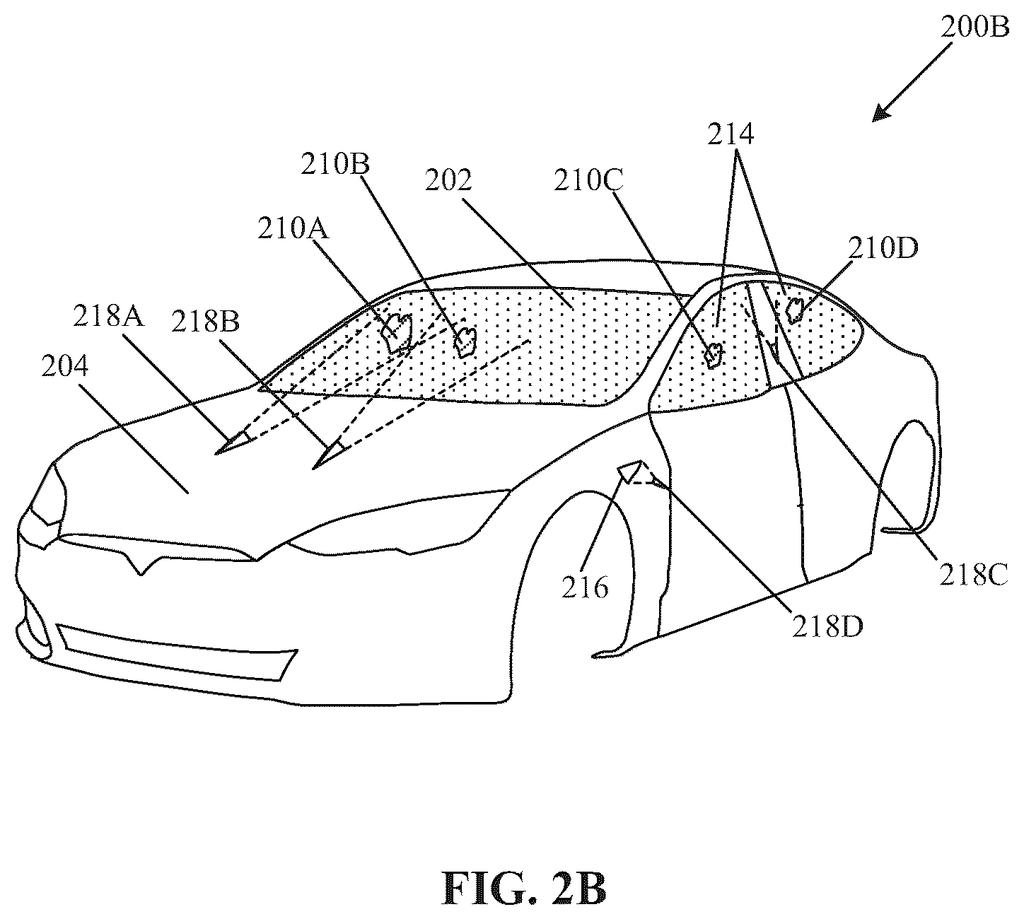
What Tesla's laser glass-cleaning system actually does
Every time a bird lands on your windshield, or a dust storm coats your car's solar roof, something has to clean it off. Right now, that means wiper blades, washer fluid, or someone with a hose. Tesla's patent describes a different approach: a laser that fires at the debris and blasts it away without touching the glass underneath.
The key trick is control. The system first detects what kind of crud has built up, then adjusts the laser's intensity and pulse rate so it burns away the debris but stops short of the glass itself. Think of it like a dentist's tool that removes plaque without damaging the tooth beneath, except it's light, not metal.
The patent covers both vehicle glass (windshields, cameras, sensors) and solar panel assemblies, which hints at Tesla's interest in keeping its solar products, from car roofs to home installations, running cleanly with as little human maintenance as possible.
… controls an exposure level of the laser beam on the debris accumulated based on calibration of the set of parameters associated with the laser beam, wherein the exposure level is controlled based on pulsing the laser beam at a calibrated rate that limits penetration of the laser beam to a depth that is less than a thickness of the glass article …
Translation: The system carefully times the laser pulses so they blast away dirt without burning a hole through the windshield.
How the laser pulses without cutting into the glass
The system has three main parts working together. A beam optics assembly aims and fires the laser at a specific area of glass. Debris detection circuitry identifies what has accumulated there, essentially scanning the surface before the cleaning starts. And control circuitry acts as the brain, adjusting everything on the fly.
The most important technical detail is how the control circuitry manages the laser's depth of penetration. It pulses the laser (fires it in rapid bursts rather than a continuous beam) at a rate calculated to release enough energy to dislodge surface debris, but not enough to heat the glass past a safe threshold. The goal is to keep the laser's effective depth shallower than the glass thickness, so the surface is cleaned without cracking or etching the material beneath.
The parameters the system calibrates include:
- Pulse rate: how frequently the laser fires per second
- Exposure level: total energy delivered to the debris
- Beam focus: the size and concentration of the spot on the glass
The patent specifically extends this to photovoltaic assemblies (solar panels), where accumulated dust and grime meaningfully reduce power output. The same laser-and-detection logic would apply there.
What this means for wipers, rain sensors, and solar panels
For you as a driver, the immediate payoff is reliability. Wiper blades wear out, washer fluid runs dry, and camera lenses behind tiny nozzles often get cleaned inadequately. A laser system embedded in the car would have no moving parts to fail, and it could clean sensors and cameras, not just the windshield, which matters a lot for autonomous driving systems that depend on unobstructed optical and radar inputs.
For Tesla's solar products, the case is even clearer. Dirty solar panels lose efficiency and most homeowners don't clean them nearly often enough. An automated laser cleaning system could maintain peak output without any user action at all, which is a real, measurable payoff on an expensive installation.
Tesla's third filing in our Display patents we cover since June follows one on noise-absorbing perforated glass and one on a hidden dashboard panel.
The clearest benefit here is that a blocked backup camera or a dirty windshield becomes something that fixes itself before the driver notices the problem. No wiper blades to replace, no washer fluid to refill, no moment where a safety feature stops working because the lens is caked with grime.
For anyone with solar panels on their roof, clean glass means the panels keep producing at full output without the owner ever doing anything about it. Dust builds up slowly enough that most people never notice the efficiency loss until it has been costing them money for months.
The real question is whether a laser that works cleanly in a lab can make accurate decisions on a rainy highway or an icy winter morning. That is where drivers will either feel this as a genuine improvement to their daily life or never notice it shipped at all.
Get our take in your Top Stories
Liked this breakdown? Add Patentlyze as a preferred source on Google, and our plain-English take shows up more often in your Top Stories the next time Tesla patent news breaks.
There are more where this came from
We read every patent application Big Tech publishes and send you the ones worth knowing. Plain English, free, every week.
The drawings
5 drawing sheets from US 2026/0257648 A1 · click any drawing to enlarge


Want this weekly breakdown for a company we don't cover? Patentlyze Pro →
Be the first to weigh in