
Microsoft Patents a Computing System That Uses Light From Transparent Displays as Its Processor
Instead of sending data through chips in the usual way, Microsoft is exploring whether the light emitted by a group of transparent screens, measured all at once, can itself perform a computation. It's a fundamentally different model of how a computer might work.
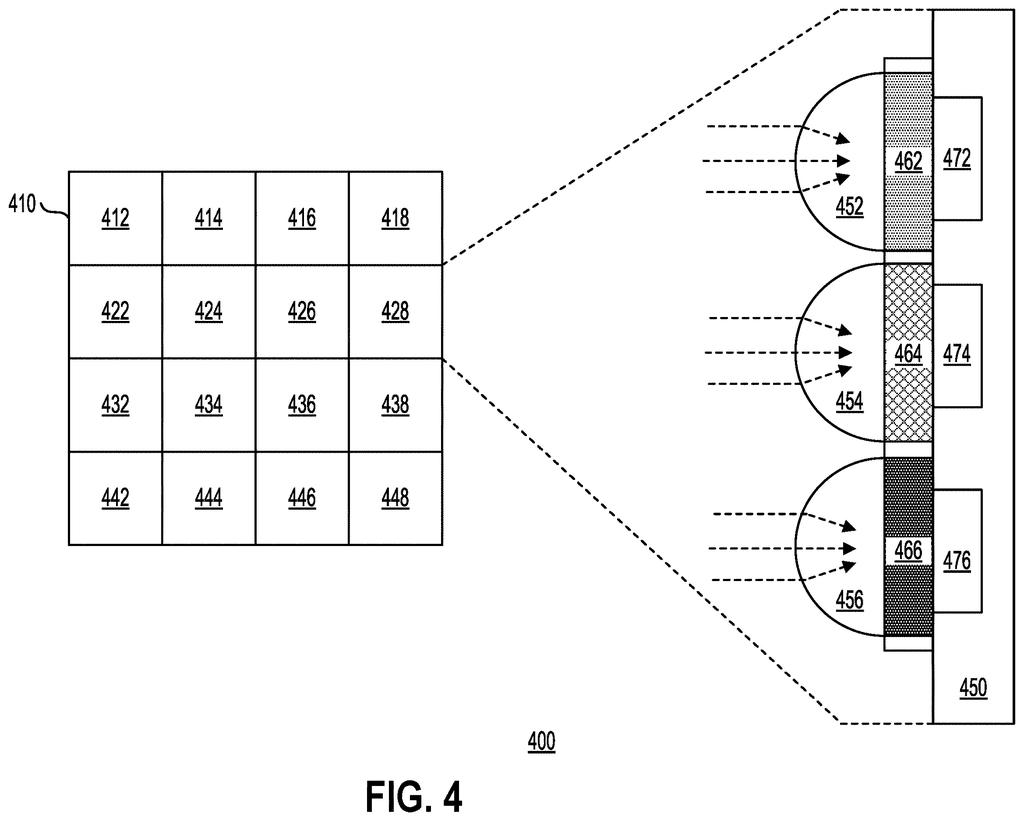
How Microsoft's see-through screens do the computing
You're looking at a rack of thin, see-through screens, each one controlled by its own small processor and each one glowing with a specific pattern of light. Now picture a single sensor watching all of those screens at the same time, seeing their combined glow as one unified signal.
That combined light reading is the output of a calculation. Instead of a traditional chip crunching numbers and handing you a result, the collective light from all the screens is the result. Microsoft's patent describes a computing system built around exactly this idea: many transparent displays working in parallel, with an electromagnetic sensor reading their combined output.
In practice you would never interact with this directly the way you interact with a keyboard or a screen. It's a behind-the-scenes architecture, more relevant to data centers or specialized computing hardware than to your laptop. But the core idea is that light itself becomes the medium for doing math.
… each transparent display is coupled to at least one processing unit of the plurality of processing units and is configured to display an electromagnetic signal at a set of one or more pixels of the transparent display based on instructions from the at least one processing unit …
Translation: Every clear screen connects to a processor that tells its pixels to shine light signals.
How the sensor reads combined light as a calculation
The patent describes a system with three main components working together:
- Processing units: individual compute nodes, each controlling one transparent display.
- Transparent displays: see-through screens, each showing a specific electromagnetic signal (a pattern of light) on a set of pixels, based on instructions from its attached processor.
- An electromagnetic sensor: a single detector positioned to observe all of the displays at once and capture the combined signal they produce together.
The key insight is what happens at the sensor. Each display emits its own signal, but the sensor does not read them individually. It reads the collective electromagnetic signal, meaning the sum or aggregate of all the light coming from all the displays simultaneously. That collective reading encodes a result.
This is a form of optical computing (using light rather than electrical signals to carry out operations). Because light from multiple sources can combine physically, the combining step happens in the physical world rather than inside a chip. The sensor then interprets that combined light as the answer.
The patent is written broadly enough to cover different kinds of electromagnetic signals, not just visible light, which suggests the approach could extend to infrared or other wavelengths depending on the sensor and display technology used.
… an electromagnetic sensor configured to detect a collective electromagnetic signal from the plurality of emitters …
Translation: A special sensor reads the combined light coming from all the screens at once.
What optical computing means for future hardware design
For most people, the practical payoff of this kind of architecture would show up as lower energy use or faster throughput in large-scale computing infrastructure, not as a change to any device you hold in your hand. Traditional computing moves data electrically through silicon; that process generates heat and consumes power at scale. A system that offloads some of that work onto light could, in principle, do certain calculations with less energy and at the speed light travels.
The idea is still far from anything shipping in a product, and the patent itself is written at a conceptual level rather than describing a finished design. Still, Microsoft filing in this space signals that optical and physical-layer computing approaches are being taken seriously enough to protect, and readers tracking new Big Tech patents in unconventional computing architectures will find this sits alongside a small but growing cluster of filings that treat the physical properties of light as a computational resource rather than just a display medium.
That makes this Microsoft's ninth filing we've tracked since July in the AI chip wars, joining earlier applications on routing queries through a GPU and splitting training data across workers.
What Microsoft is patenting here is a way to use light itself, pooled across many screens at once, as the physical mechanism for running calculations. The screens do the math by shining together; a sensor reads the combined glow as an answer.
For anyone using Microsoft software or cloud services today, this changes nothing. The benefit, if it ever arrives, would show up invisibly, as faster responses or lower costs, not as any feature you could point to.
This is early territorial research, not a product in progress. Treat it as a signal that Microsoft is thinking about radically different ways to build computing hardware, with any practical payoff still years, likely decades, away.
Get our take in your Top Stories
Liked this breakdown? Add Patentlyze as a preferred source on Google, and our plain-English take shows up more often in your Top Stories the next time Microsoft patent news breaks.
There are more where this came from
We read every patent application Big Tech publishes and send you the ones worth knowing. Plain English, free, every week.
The drawings
7 drawing sheets from US 2026/0253562 A1 · click any drawing to enlarge


Want this weekly breakdown for a company we don't cover? Patentlyze Pro →
Be the first to weigh in