
Microsoft Patents Context-Triggered In-Game Ad Breaks That Pause Gameplay
Microsoft has filed a patent for an ad system that reads the game you're playing and waits for a natural break before interrupting you, then rewards you with extra playtime for watching.
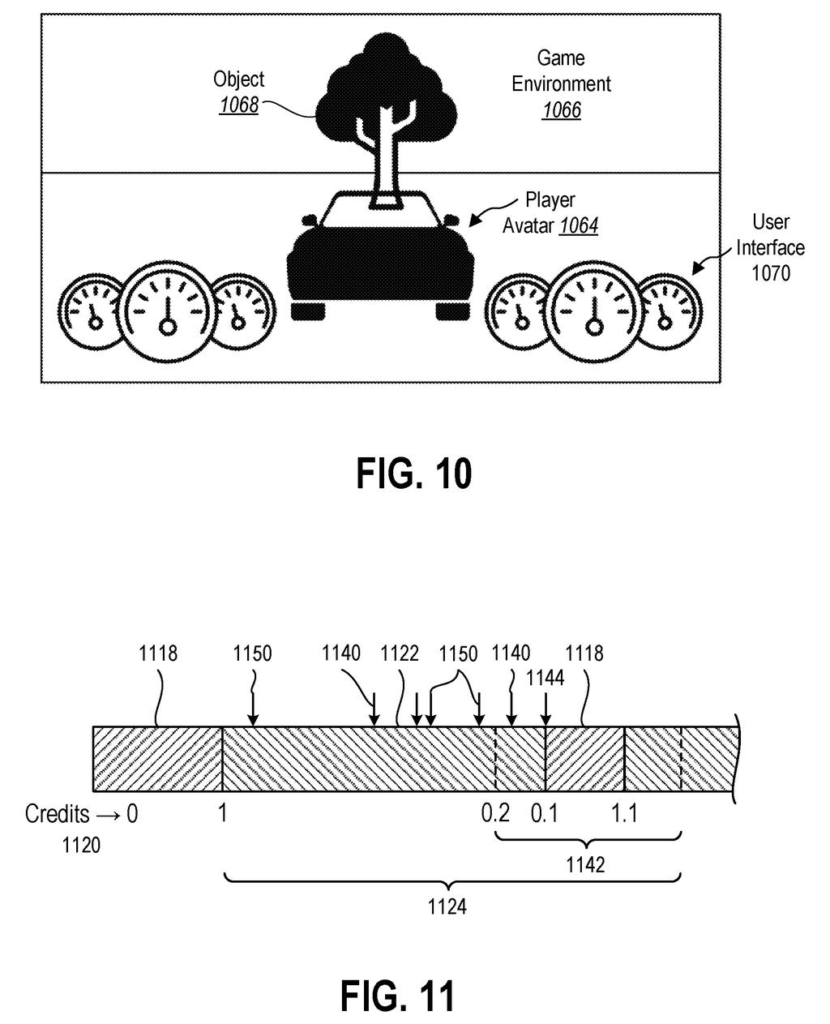
How Microsoft's ad-credit system works inside a game
You're deep into a match, your character is in the middle of a fight, and suddenly an ad cuts in. It's the classic free-to-play frustration. Microsoft's patent describes a system designed to stop that from happening.
The idea is that the game itself sends a signal when a good stopping point arrives, say, the end of a round or a loading screen. A central system receives that signal and only then pauses your session to show you a short video ad. Watch the ad, and you earn a credit that lets you keep playing without interruption for a set period of time.
The timing matters. The system defines a specific window near the end of your credit period when it will actually listen for those signals. If the game sends a hint too early, the system ignores it. This means fewer random interruptions and, in theory, a less annoying ad experience for you.
… establishing a promoted content window at an end of the credit duration, the promoted content window being a period of time having a window start, a window end, and a window duration between the window start and the window end …
Translation: Setting up a specific time window when your game time is about to run out so ads can appear.
How the promoted content window and hint system sync
The patent describes a content management system that sits between a user and an interactive software application (read: a game or app) and controls when ads are shown.
Here is the flow the first independent claim lays out:
- You get access to the app for a credit duration, a window of uninterrupted time.
- As that window nears its end, the system opens a promoted content window, a narrow time slot during which it actively listens for signals from the app.
- The app sends promoted content hints, essentially flags that say "this is a good moment to pause." If a hint arrives before the window opens, the system ignores it and lets you keep playing. If a hint arrives inside the window, the system treats it as a trigger.
- On a trigger, the system suspends your session, fetches a video ad from a promoted content server, plays it, then resumes your session and grants you a new credit duration.
The key technical insight is the ignore-versus-trigger logic. By discarding early hints, the system prevents the app from accidentally (or deliberately) scheduling an ad break at a bad time. The ad only fires when the timing lines up with both the system's schedule and a natural pause in the app.
A content management system may suspend a user's interaction with the interactive software application based on the promoted content trigger event.
Translation: The system freezes your gameplay when a natural stopping point in the game is reached.
What this means for free-to-play Xbox and PC games
Free-to-play gaming on Xbox and PC is a growing part of Microsoft's business, and ad-supported tiers for services like Game Pass have been discussed publicly for years. A system that makes ad breaks feel less disruptive could make that model more tolerable for players and more effective for advertisers, since an ad shown at a natural pause point is more likely to actually be watched.
If granted and deployed, Microsoft's push into ad-supported gaming could mean that future free or cheaper subscription tiers feel meaningfully different from the blunt ad systems in mobile games. The credit mechanic also creates a small but real incentive loop: watch the ad, play longer without interruption.
That makes this Microsoft's 368th filing in our Microsoft coverage since May, adding to work like turning prompts into layered art and locking AI to exact colors.
Claim 1 requires a very specific chain of events: the game itself must signal a good moment to pause play, that signal must arrive within a defined time window, and only then does the system show an ad. That sequence is narrow. An ad system that simply fires on a schedule, or one that picks its moment from a server without any cue from the game, would fall outside what this claim covers.
In practice, a granted patent on this claim would reach ad systems that wait for the game to raise its hand before interrupting the player. The scope is real but bounded by that requirement of game-initiated coordination.
The credit mechanic is written into the claim as a functional requirement, not a side feature. Watching an ad must produce a credit that delays the next interruption. That makes the exchange explicit in the legal text: the player gives attention, the system gives time back.
Get our take in your Top Stories
Liked this breakdown? Add Patentlyze as a preferred source on Google, and our plain-English take shows up more often in your Top Stories the next time Microsoft patent news breaks.
There are more where this came from
We read every patent application Big Tech publishes and send you the ones worth knowing. Plain English, free, every week.
The drawings
7 drawing sheets from US 2026/0260258 A1 · click any drawing to enlarge


Want this weekly breakdown for a company we don't cover? Patentlyze Pro →
Be the first to weigh in