
Adobe Patents a System That Builds Slide Decks Straight From Analytics Data
Every Monday morning, someone at your company spends an hour copying numbers from a dashboard into a PowerPoint. Adobe has filed a patent for a system that skips that step entirely.
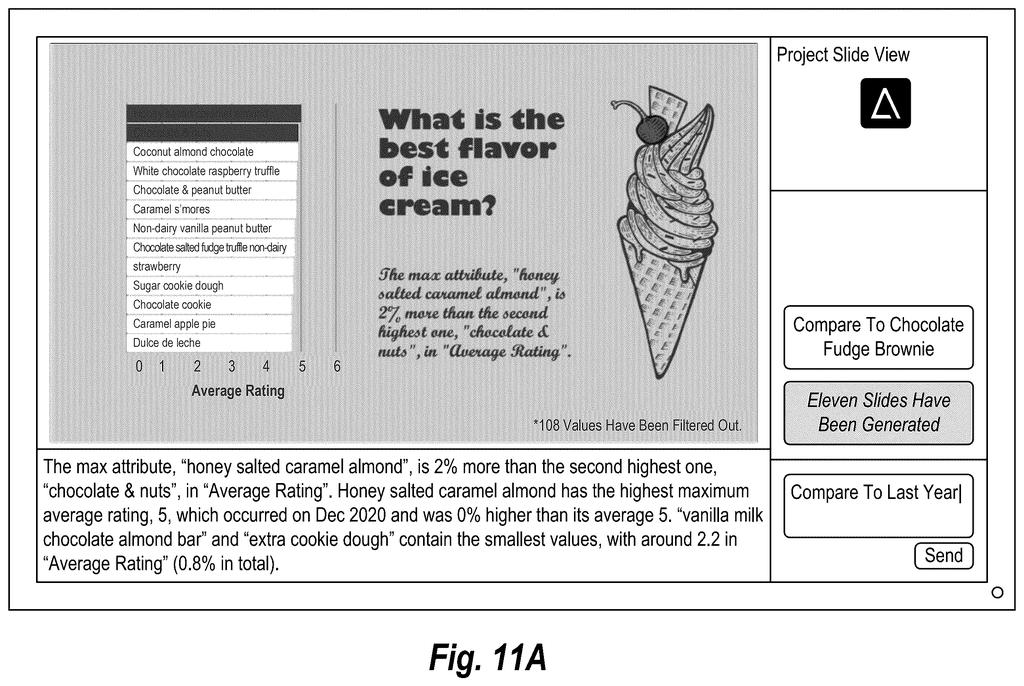
What Adobe's auto-presentation system actually does
Every time a marketing analyst opens a dashboard, pulls out the key numbers, and spends the next hour arranging them into slides for a meeting, they are doing something a computer could theoretically do. Adobe's patent is about automating exactly that hand-off between data and presentation.
The system reads data from an analytics tool, writes short captions that describe what each chart or metric means, then groups related findings together the way a human editor would. From those grouped findings, it drafts a slide deck outline and fills it in.
The goal is that you go from raw analytics to a ready-to-share presentation without manually translating numbers into sentences yourself. It's the kind of automation that looks simple from the outside but has a lot of moving parts underneath.
… generating narrative grouping structures from the set of insights by grouping insights together based on similarity scores of the set of insights; generating a digital presentation outline according to the narrative grouping structures …
Translation: The software organizes related data points together and maps out a logical flow for the slides.
How the system groups insights and drafts slides
The patent describes a four-step pipeline. First, an intelligent captioning model (an AI that reads charts and data tables and writes plain-language descriptions of what they show) pulls insights from an analytics application. Those insights include dimensions (categories like region or product type), metrics (numbers like revenue or clicks), values, and the visualizations themselves.
Second, the system compares all those insights against each other using similarity scores (a measure of how closely related two pieces of information are) and groups related ones into what the patent calls narrative grouping structures. Think of this as the system deciding which findings belong on the same slide or in the same section.
Third, from those groupings, the system generates a presentation outline, essentially a structured table of contents for the deck. Finally, it turns that outline into a finished digital presentation, with each slide corresponding to a specific insight.
The system is designed to work with existing analytics platforms rather than replacing them, sitting on top of whatever data source a team already uses.
The present disclosure relates to systems, methods, and non-transitory computer-readable media that generates a digital presentation from a set of insights.
Translation: Adobe patented a method for automatically turning data analysis into a slide presentation.
What this means for data analysts and report writers
For anyone who regularly turns data into reports, this kind of automation addresses a real time drain. The labor of translating a dashboard into a stakeholder-friendly slide deck is often disconnected from the actual analysis work, and it scales badly as data volumes grow.
The design choice to anchor everything in narrative groupings rather than just dumping slides one-per-chart is what separates this from a simple export function. Whether that grouping is reliable enough to trust without heavy human editing is the open question. Adobe keeps filing on AI-assisted document and content creation, and this patent fits squarely in that track.
Adobe's 18th filing in our Enterprise AI patent coverage since May follows work like cutting people from video and upgrading AI audio to stereo.
The system chains three hard jobs together: figure out what the data means, decide which findings belong together, and arrange them into a story. That sequence is fragile, because a mistake early on gets handed forward and made worse at every step.
The outline-before-slides structure is the design's best defense against that problem. Stopping to produce an outline gives a person a chance to catch a bad structure before it becomes a full presentation.
Whether this is worth it depends entirely on how Adobe frames the product. Sold as a first draft, the tradeoff is reasonable. Sold as a finished product, users will find the gap fast.
There are more where this came from
We read every patent application Big Tech publishes and send you the ones worth knowing. Plain English, free, every week.
The drawings
19 drawing sheets from US 2026/0278872 A1 · click any drawing to enlarge


Want this weekly breakdown for a company we don't cover? Patentlyze Pro →