
Microsoft Patents a Single AI Model That Both Reads and Writes Language
Most AI language models are built for either understanding text or generating it. Microsoft's new patent describes a training method that teaches one model to do both, without sacrificing efficiency.
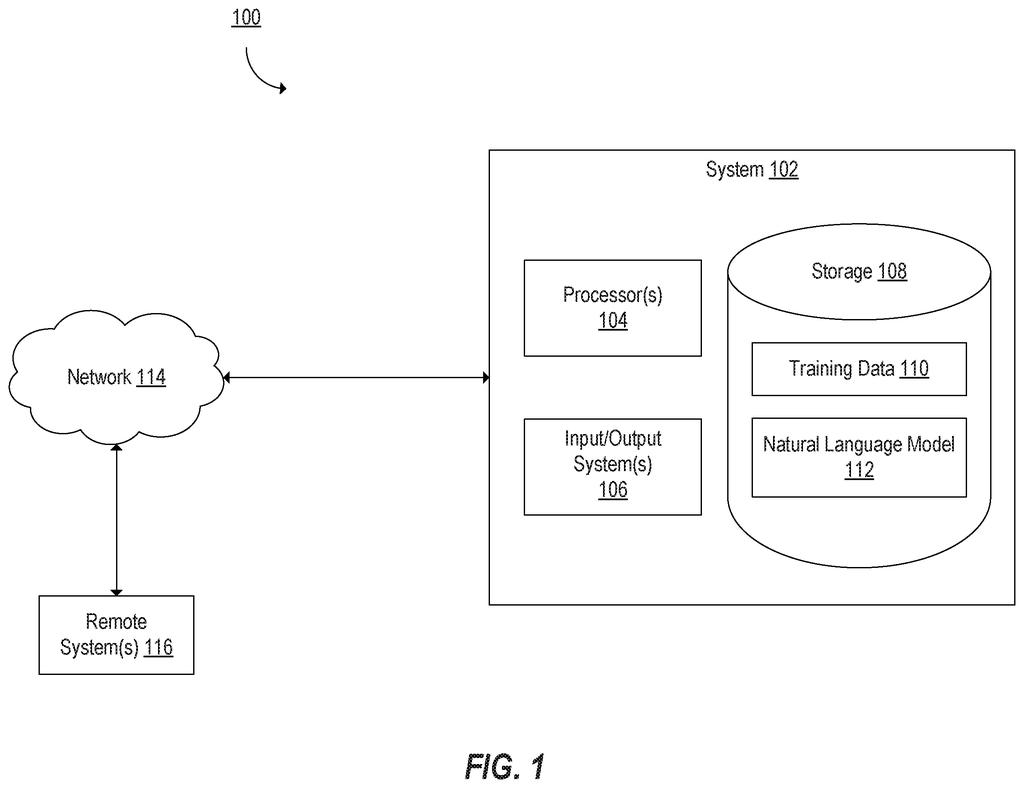
What Microsoft's one-model language approach actually does
You're typing a question into an AI assistant and it gives you a sharp, fluent answer. Behind that answer, there's a model that had to understand what you asked and then generate a coherent reply. Those two jobs have traditionally been handled by different types of AI models, each trained separately.
Microsoft's patent describes a way to train a single model to do both. The training process teaches the AI to spot errors, fill in blanks, and pay attention to context, all at once, rather than running separate specialized pipelines for different tasks.
The approach also includes a technique for breaking large chunks of text into smaller segments before analyzing how words relate to each other. That keeps the process from getting too expensive to run as documents grow longer. The result, at least on paper, is one model that can answer questions, summarize documents, and write new text from a prompt.
… apply an attention mechanism across the encoded representations of the plurality of portions; combine the encoded representations into a unified representation; and train the natural language model using the unified representation and the masked training data …
Translation: The system processes different text sections together to build one general language model.
How the model splits attention across data chunks
The patent describes a training framework for what researchers call an encoder-decoder model (a system with one part that reads and encodes input, and another that generates output). Most language AI tools lean one way or the other: GPT-style models are strong generators, while BERT-style models are strong at understanding. This filing aims to produce a single model that excels at both.
Training uses three techniques applied together:
- Replaced token detection: the model learns to spot words that have been secretly swapped out, sharpening its understanding of meaning and context.
- Corrupted span reconstruction: chunks of text are scrambled or removed, and the model learns to reconstruct them, which trains the generation side.
- Disentangled attention: a method that tracks a word's meaning and its position in a sentence separately, rather than bundling them together, which improves nuance in comprehension.
The efficiency piece is the segmented attention mechanism. Instead of comparing every word in a long document against every other word at once (which is computationally expensive), the model divides the text into chunks, encodes those chunks independently, then applies attention across the chunks as a group. Think of it as skimming chapter summaries before cross-referencing them, rather than reading every page against every other page simultaneously.
The final output is a unified representation of the input that the model can use for both understanding tasks (like answering questions or classifying text) and generation tasks (like writing summaries or completing sentences).
The training process integrates a combination of replaced token detection, corrupted span reconstruction, and disentangled attention methodologies to produce a unified encoder-decoder model.
Translation: Training uses several combined methods to build a model that both reads and writes text.
What this means for AI tools built on language models
For anyone building AI-powered tools, the appeal of a single model handling multiple language tasks is mostly economic: fewer models to train, host, and maintain. Right now, deploying separate models for, say, a summarizer and a chatbot means paying for two systems. A unified model cuts that overhead.
a growing pile of Microsoft language-model filings suggests the company is methodically working through the infrastructure layer of AI, not just the applications on top. For everyday users, the practical outcome would be AI tools that feel more consistent because the same underlying system is doing both the reading and the writing, rather than passing your request between different specialized engines.
Microsoft's 57th filing in our Language AI coverage since May follows one on reading AI prompts visually and one on layered graphic design, extending a run of applications we've tracked across language and visual tools.
The techniques here are real and have academic precedent: disentangled attention, span masking, and encoder-decoder unification are all established research directions. The patent is essentially a recipe for combining them into one training pipeline, which is useful engineering work but not a dramatic departure from where the field was already heading.
The ship-path question is honest: this is a software-only filing, so there is no new hardware requirement standing between this patent and a deployed product. The main barrier is compute cost at training time, and Microsoft already has the infrastructure for that. A model trained this way could, in principle, slot into existing products like Copilot without requiring any change to how users interact with it.
The segmented attention piece is probably the most practically interesting part. Handling long documents efficiently is a persistent problem for deployed language models, and any technique that reduces that cost without a big accuracy hit is worth attention from teams building on top of these systems.
There are more where this came from
We read every patent application Big Tech publishes and send you the ones worth knowing. Plain English, free, every week.
The drawings
9 drawing sheets from US 2026/0278306 A1 · click any drawing to enlarge


Want this weekly breakdown for a company we don't cover? Patentlyze Pro →