
Sony Patents a System That Shows Virtual Objects on Demand in a Headset
Sony has filed a patent for a system that watches for a specific trigger in the real world and then instantly layers a virtual object over what you see through a headset. The idea is simple: something happens, something appears.
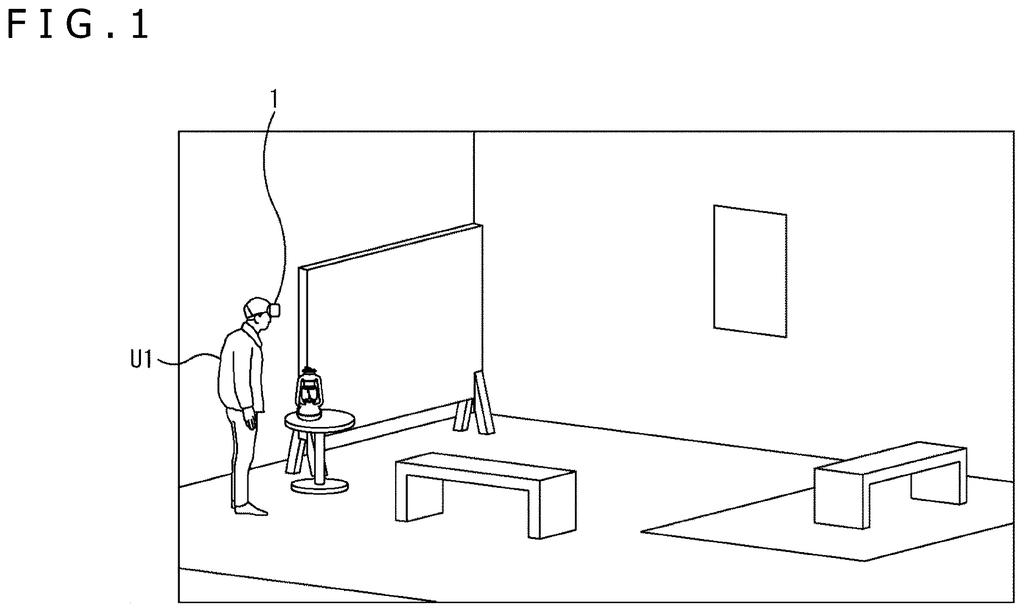
What Sony's trigger-based AR overlay system actually does
Right now, AR headsets mostly show you fixed overlays or menus you open yourself. You have to go looking for the digital layer. Sony wants to flip that: the device watches for a particular event, and when that event happens, a virtual object appears automatically in your field of view.
Think of it like a heads-up display that knows when to speak up. You might be wearing a Sony headset and walk past a product, a person, or a location that the system recognizes as a trigger. At that moment, without you tapping anything, a virtual object pops into your view on top of the real scene.
The patent covers the core machinery for this: a part that detects the trigger and a part that controls what your headset shows when that trigger fires. It's described broadly, which means Sony is staking out the general concept rather than one narrow application.
a detection part configured to detect a trigger; and a video control part configured to cause, upon occurrence of the trigger, a virtual object to be displayed on a wearable device …
Translation: The system watches for a specific cue so it can pop a digital object into your headset view.
How the detection part fires and the display responds
The patent describes an information processing apparatus built around two main components working together.
First, a detection part watches for a trigger. The patent doesn't lock in what that trigger must be, which is deliberate. It could be a recognized face, a scanned product, a GPS location, a sound, a gesture, or any other detectable event. When the trigger condition is met, it fires a signal.
Second, a video control part receives that signal and immediately instructs a wearable display (such as a head-mounted display) to render a virtual object on top of the real-world video the user is already seeing. The headset is described as one that shows a live video feed of real space, so the virtual object is composited directly onto that feed.
The claim is written to cover the abstract coordination between trigger detection and display response, rather than any single use case. That broad framing is a common strategy in patent filings: define the general mechanism and let specific applications fall under it later.
… adapted to provide content more advantageously. An information processing apparatus according to the present technology includes a detection part configured to detect a trigger and a video control part configured to cause, upon occurrence of the trigger, a virtual object to be displayed …
Translation: The technology delivers extra digital media at the right moment by spotting specific triggers.
What this means for AR headsets in real-world use
For anyone using an AR headset, the difference between manually pulling up an overlay and having one appear automatically is significant. It removes friction from the moment when information is actually useful, rather than making you stop and search for it. A technician seeing a warning appear the moment a machine enters a fault state, or a shopper getting product details the instant they pick something up, experiences something genuinely different from a menu-driven interface.
Sony already makes headsets through its professional and gaming lines. A patent like this suggests a growing pile of Sony AR display filings that points toward tighter integration between sensing and display, whether that shows up in entertainment, enterprise tools, or something else.
Sony's 26th filing we've tracked in the AR glasses race since July adds to a run that includes a tap-control finger ring and privacy shutter glasses.
The practical payoff here is real but narrow. Automatic, context-triggered overlays are the thing that separates AR from a fancy screen you happen to be wearing, and this patent addresses that gap directly.
The catch is that the claim is extremely broad. A detection part plus a display response is close to a description of AR itself. Whether this would hold up against existing prior art is a separate question entirely, but broad claims often get narrowed during examination.
For users, the actual experience this describes, where the headset notices something and responds without prompting, is what makes AR feel useful rather than effortful. If Sony builds toward that in real products, readers will notice the difference whether or not they ever hear the word 'trigger.'
There are more where this came from
We read every patent application Big Tech publishes and send you the ones worth knowing. Plain English, free, every week.
The drawings
29 drawing sheets from US 2026/0277303 A1 · click any drawing to enlarge


Want this weekly breakdown for a company we don't cover? Patentlyze Pro →