
Nvidia Patents an AI Answer System That Trusts Expert Authors Over Everyone Else
When you ask an AI a question, it typically treats a blog post and a peer-reviewed paper as equal sources. Nvidia wants to change that by teaching its AI to check who wrote something before deciding how much to trust it.
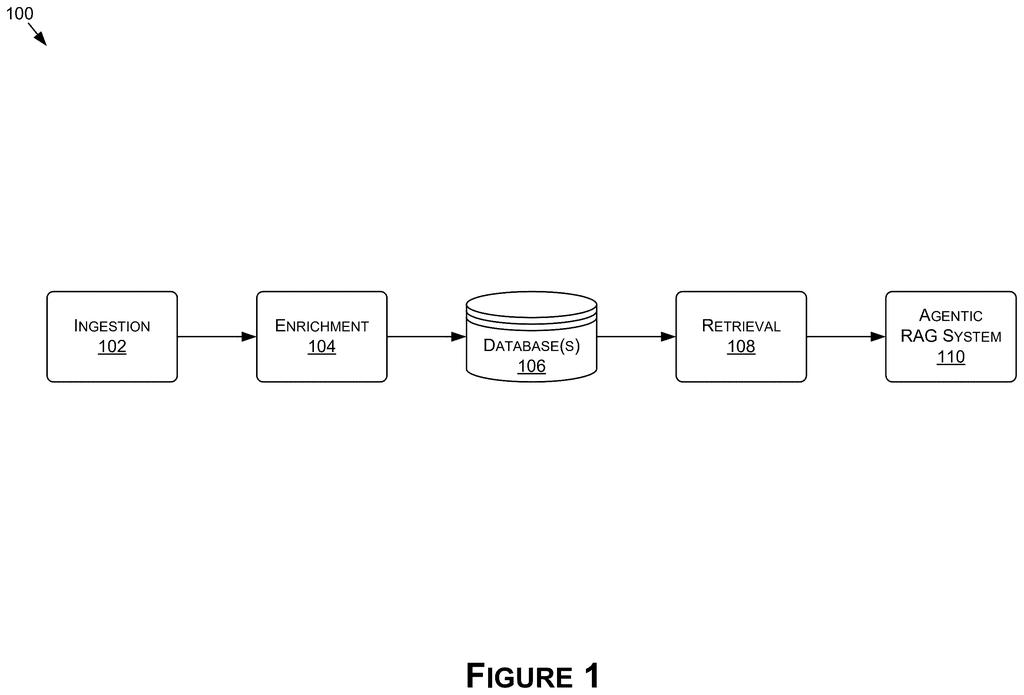
How Nvidia's expert-ranking AI search actually works
Most AI tools that search through documents and generate answers have no idea whether the person who wrote a document actually knew what they were talking about. A note from a junior intern and a report from a 20-year domain expert carry the same weight. That's the problem Nvidia is trying to fix.
The system described in this patent tags documents with information about their authors, such as their role, specialty, or relationship to the topic at hand. When you ask a question, the AI finds relevant documents and checks whether the authors are considered experts on that subject. Documents from recognized experts get ranked higher, and documents that score too low on that "expert alignment" scale get cut entirely before the AI writes its answer.
The remaining expert-vetted documents are then broken into smaller pieces, summarized in parallel, and condensed into a final answer the AI can actually work with. The goal is a response you can trust more, because it's built on sources that were worth trusting in the first place.
… ranking the documents based at least on author information stored in association with the documents such that documents authored by individuals identified as experts with respect to the subject of the query are ranked higher than documents authored by non-experts …
Translation: The system sorts search results to put verified experts above everyone else.
How the system scores, filters, and summarizes expert documents
The patent describes an enhanced retrieval-augmented generation (RAG) system. RAG is the technique behind most enterprise AI tools that answer questions by pulling from a company's internal documents rather than just relying on what the AI already knows from training. The problem with standard RAG is that it treats all documents equally once they pass a basic relevance test.
Nvidia's approach adds an author-expertise layer on top of the usual search step. Here's how it flows:
- Document enrichment: Before any query happens, documents in the system are tagged with author metadata, including job title, subject-matter expertise, and their relationship to specific topics or customers.
- Semantic search: When a query arrives, the system converts it into a numerical vector (a mathematical fingerprint of its meaning) and finds documents whose fingerprints are close matches. Standard keyword search can also run in parallel.
- Expert ranking and filtering: Each retrieved document gets an alignment score reflecting how closely its author's expertise matches the query's subject. Documents scoring below a set threshold are dropped entirely, cutting down irrelevant noise and reducing the computing cost of processing them.
- Recursive summarization: The surviving documents are split into smaller chunks and summarized in parallel. Those intermediate summaries are then condensed again and again until the total fits inside the context window (the maximum amount of text a language model can read at once).
- Answer generation: The final condensed summary, combined with the original query, is handed to a large language model to produce the response.
The patent also describes using expert relationship graphs, essentially a network map of who knows whom and what, to further refine which authors count as experts for a given topic.
… enrich documents—or portions (e.g., “chunks”) thereof—with metadata indicating an author's role, expertise, or association with a customer or topic …
Translation: Files are tagged with background details about who wrote them.
What this means for AI tools used in high-stakes workplaces
In most workplaces, AI tools hooked up to internal document systems will surface anything that matches a keyword, whether it's an authoritative policy document or a half-finished draft from a first-day employee. For high-stakes decisions in fields like medicine, law, finance, or engineering, that indiscriminate sourcing is a real liability. A system that actively weights author credibility before composing an answer is a step toward AI tools that behave more like a smart research assistant and less like a search engine.
Nvidia's interest in enterprise AI infrastructure shows up clearly here. This isn't a consumer-facing feature; it's plumbing for the kind of business software that companies pay substantial licensing fees to deploy. If the expert-ranking layer works reliably, it could also reduce the volume of documents the AI needs to process, which directly cuts the cost of running these systems at scale, a selling point that matters a lot in corporate procurement conversations.
Nvidia's seventh filing we've tracked in our AI guardrails race since July builds on earlier work like one catching bad training data and one spotting app degradation.
The core idea here is software all the way down: rank answers by how expert the author is, filter out weak sources before the AI reads them, and return tighter responses. No new chip, no new device, nothing that has to be manufactured first.
The main thing that has to exist before this works is clean, maintained records of who knows what inside an organization. That is harder than it sounds, especially anywhere with high turnover or patchy document history.
Even an imperfect version of the filtering step would save real compute costs and improve answer quality, which means there is a shorter path to shipping something useful than the full system would suggest.
There are more where this came from
We read every patent application Big Tech publishes and send you the ones worth knowing. Plain English, free, every week.
The drawings
12 drawing sheets from US 2026/0277980 A1 · click any drawing to enlarge


Want this weekly breakdown for a company we don't cover? Patentlyze Pro →
Be the first to weigh in