
Nvidia Patents an AI System That Finds Exactly Where Its Data Processing Steps Break
When an AI chatbot gives a bad answer, figuring out which part of the system is to blame can take hours. Nvidia's new patent describes an AI tool that does that detective work automatically.
What Nvidia's pipeline fault-finder actually does for AI teams
Ever spent twenty minutes with customer support only to hear "let me transfer you to the right department"? Behind every AI-powered chat tool or search engine is a long chain of steps, and when the answer comes out wrong, nobody immediately knows which step failed.
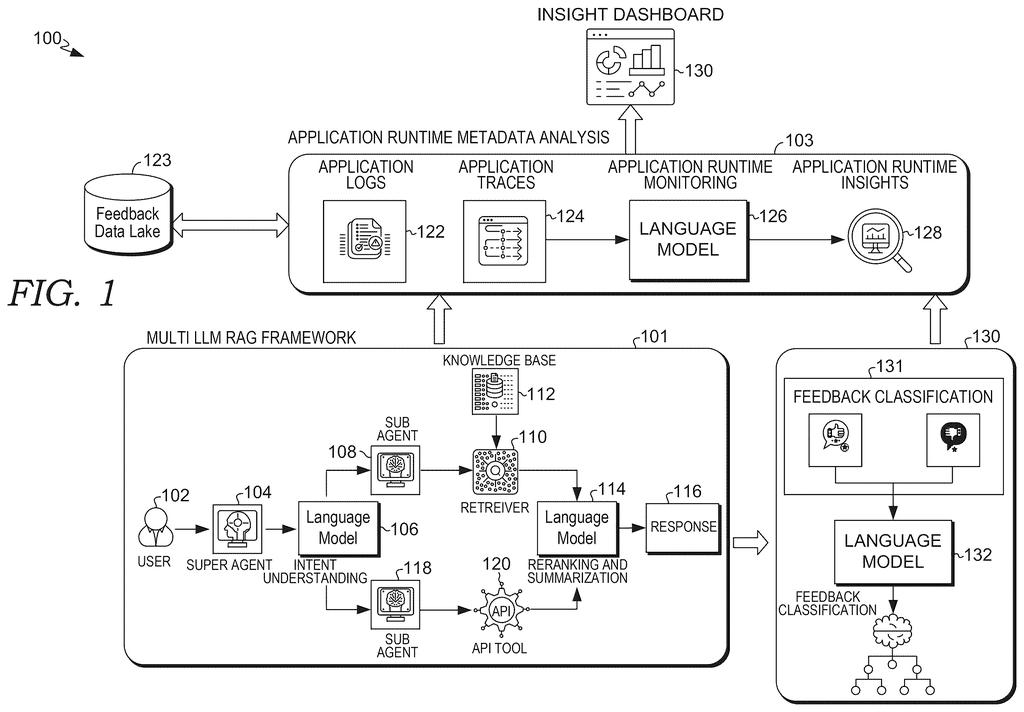
Nvidia's patent describes a system that watches each stage of that chain, from the part that fetches information to the part that writes a final response, and flags exactly where things went sideways. It reads application logs (the notes a system writes to itself as it runs) and connects patterns in those logs to specific failures.
Instead of a developer manually combing through thousands of log lines, the AI does the diagnosis and points to the culprit stage with an explanation. Think of it like a flight recorder for AI systems, one that not only records what happened but tells you which engine had the problem.
… automatically attribute issues to specific pipeline stages and provide detailed diagnostic insights.
Translation: Pinpoints the exact step causing a glitch and explains what went wrong.
How the system traces logs back to a specific broken stage
The patent targets data processing pipelines, the sequences of automated steps that power things like AI chat assistants, search engines, and systems called RAG frameworks (Retrieval-Augmented Generation, where an AI looks up real documents before answering a question).
At a high level, the system does three things:
- Detection: It monitors the pipeline for inefficiencies (slow steps), anomalies (unexpected outputs), and outright failures.
- Attribution: Using a language model and correlation techniques (statistical methods that look for patterns across data points), it maps each detected problem back to a specific pipeline stage rather than flagging the whole system as broken.
- Diagnosis: It generates detailed explanations of what went wrong, drawing on application logs and traces (timestamped records of how data moved through the system).
The language model component is doing something similar to reading a long incident report and summarizing the root cause. The correlation layer cross-references signals across stages so that a symptom that shows up late in the pipeline can be traced to a cause that happened several steps earlier.
The first independent claims in this filing were canceled, meaning the patent's exact legal scope is still being shaped, but the technical disclosure of the approach remains fully on the record.
What this means for teams building AI search and chat tools
For any company running AI-powered products, debugging a broken pipeline today usually means a developer manually reading logs, a process that can take hours and requires deep familiarity with the system. A tool that automatically attributes a failure to a specific stage cuts that time down dramatically and lowers the bar for who can do the diagnosis.
If Nvidia builds this into its AI infrastructure software, customers running large language model applications on Nvidia hardware would get an automatic observability layer alongside the hardware itself. That matters most for enterprise teams building customer-facing AI tools, where a bad output is not just a technical annoyance but a visible product failure your users experience directly.
Nvidia's ninth filing we've tracked in the AI guardrails race since July follows one testing its own answers and one favoring expert authors.
The design makes a real tradeoff: it leans heavily on logs and traces that the pipeline is already generating, which means it works well only when those records are detailed and consistent. A pipeline that logs sparsely, or one built from third-party components that log in incompatible formats, could defeat the attribution step entirely. That is a meaningful constraint for real-world deployments.
The language model at the center of the diagnosis is also doing double duty, both reading evidence and explaining conclusions. That creates a second failure mode: if the model misreads a log pattern, its confident-sounding explanation could point developers at the wrong stage. Automated diagnosis that sounds authoritative but is occasionally wrong may be harder to catch than no diagnosis at all.
Still, the core bet here reads as reasonable. AI pipelines are genuinely hard to debug, and the teams most likely to run into this problem are the same ones already deep in Nvidia's ecosystem. A built-in fault-finder has clear practical value, even if the version that ships will need careful guardrails around when to trust its conclusions.
There are more where this came from
We read every patent application Big Tech publishes and send you the ones worth knowing. Plain English, free, every week.
The drawings
12 drawing sheets from US 2026/0277936 A1 · click any drawing to enlarge


Want this weekly breakdown for a company we don't cover? Patentlyze Pro →
Be the first to weigh in