
IBM Patents a Conflict Detection System for LLM Vector Databases
When you feed conflicting documents into an AI knowledge base, the AI doesn't know which one to believe — and that's a real problem for enterprise deployments. IBM is filing a patent for a system that catches those conflicts before they ever get stored.
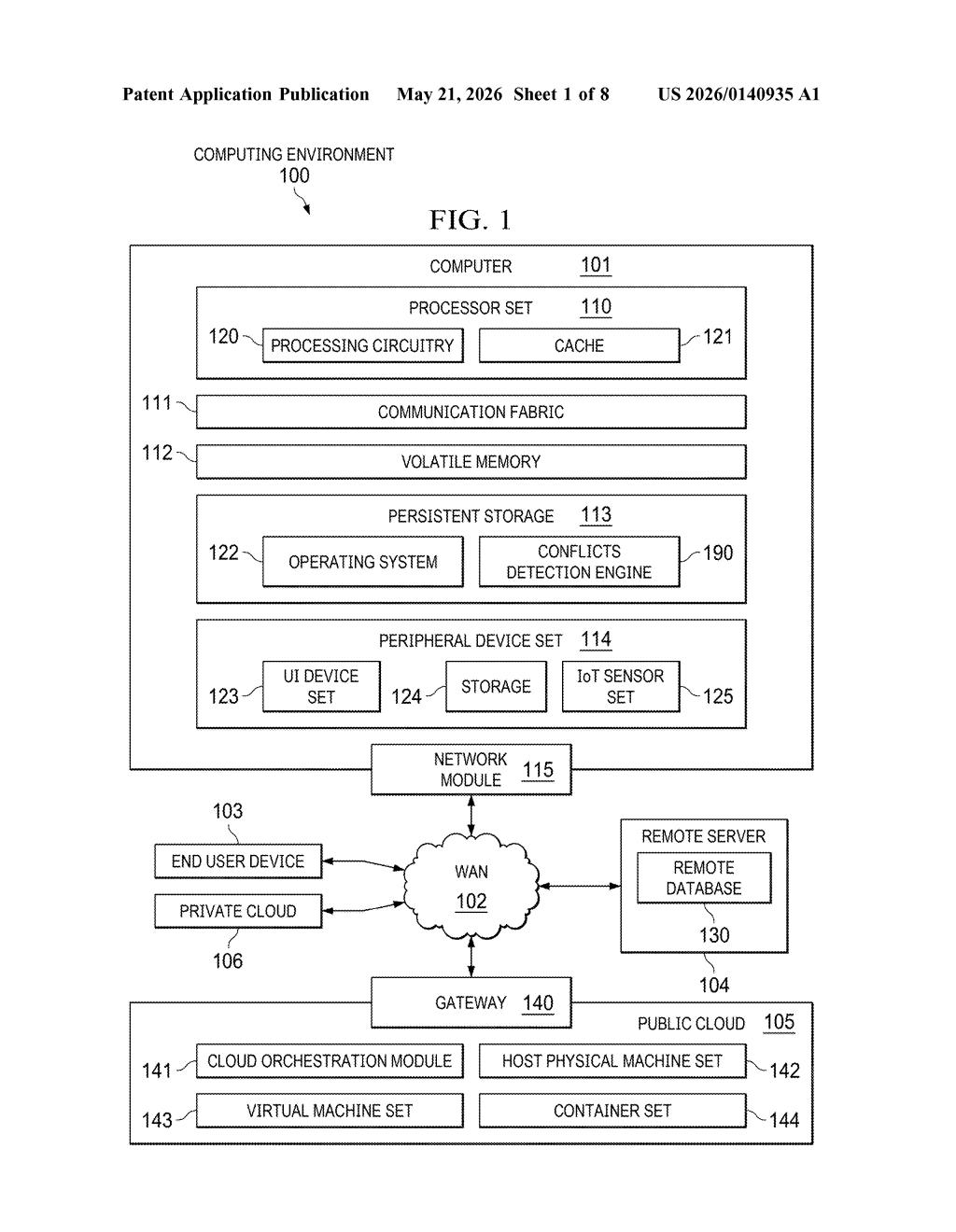
What IBM's vector database conflict check actually does
Imagine your company's AI assistant gets two memos: one says the refund policy is 30 days, another says it's 14 days. If both get loaded into the AI's knowledge base without any checks, the AI will sometimes confidently give you the wrong answer. That's the problem IBM is trying to fix here.
This patent describes a system that, before saving any new document into an AI's knowledge base, first checks whether similar content already exists — and if it does, checks whether the new content conflicts with what's already stored. Think of it like a spell-checker, but for factual consistency across your document library.
If no conflict is found, the new information gets saved normally. If a conflict is detected, the system kicks off a resolution process rather than blindly storing contradictory facts. It's essentially a quality gate for Retrieval-Augmented Generation (RAG) systems — the architecture most enterprise AI tools use to answer questions from private documents.
How IBM's system finds and resolves conflicting document chunks
The patent describes a pipeline built around a vector database — a type of database that stores information as arrays of numbers (vectors) that capture the semantic meaning of text, making it easy to find conceptually similar passages even if the exact words differ.
Here's the step-by-step flow:
- Chunking: Incoming documents are split into smaller passages (chunks), a standard preprocessing step for RAG systems.
- Embedding: Each chunk is converted into a numerical vector using an embedding model — a mathematical fingerprint of its meaning.
- Similarity check: The new vectors are compared against vectors already in the database. If nothing similar exists, the chunk is stored directly.
- Conflict detection: If similar content is found, the system runs a deeper check to determine whether the new chunk contradicts the existing one — not just whether they're topically related.
- Conflict resolution: If a real conflict is identified, a resolution step is triggered before any storage occurs.
The patent is specifically framed around multi-modal documents — meaning it's designed to handle not just text but potentially multiple content types. The resolution mechanism itself isn't fully specified in the independent claim, leaving room for LLM-assisted adjudication or human-in-the-loop workflows.
What this means for enterprise RAG pipelines and data quality
For any company running a RAG-based AI assistant on internal documents — think HR policy bots, legal research tools, or customer support systems — data quality in the vector store is the difference between a useful tool and a liability. Right now, most pipelines just overwrite or append new data without checking for logical contradictions, which means your AI can cite two conflicting policies in the same breath.
This patent represents IBM's attempt to bring structured data integrity concepts (think database constraints) into the messier world of unstructured document AI. If IBM embeds this into its watsonx platform, enterprise customers would get a meaningful guardrail against the kind of factual inconsistencies that erode trust in AI systems.
This is genuinely useful infrastructure work for enterprise AI — the kind of unglamorous plumbing that makes RAG pipelines actually trustworthy at scale. IBM is betting that data quality gates will be a competitive differentiator for watsonx as enterprises grow more sophisticated about what can go wrong with document-fed AI. Don't expect consumer headlines, but this is exactly the type of filing that makes IT buyers feel better about deploying AI on sensitive internal knowledge bases.
Get our take in your Top Stories
Liked this breakdown? Add Patentlyze as a preferred source on Google, and our plain-English take shows up more often in your Top Stories the next time IBM patent news breaks.
There are more where this came from
We read every patent application Big Tech publishes and send you the ones worth knowing. Plain English, free, every week.
Want this weekly breakdown for a company we don't cover? Patentlyze Pro →