
Samsung Patents a System That Reroutes Data When Memory Chips Conflict
When two data streams race for the same memory chip at the same time, one has to wait, and that waiting slows everything down. Samsung's new patent describes a way to spot that conflict before it happens and redirect traffic to an available chip instead.
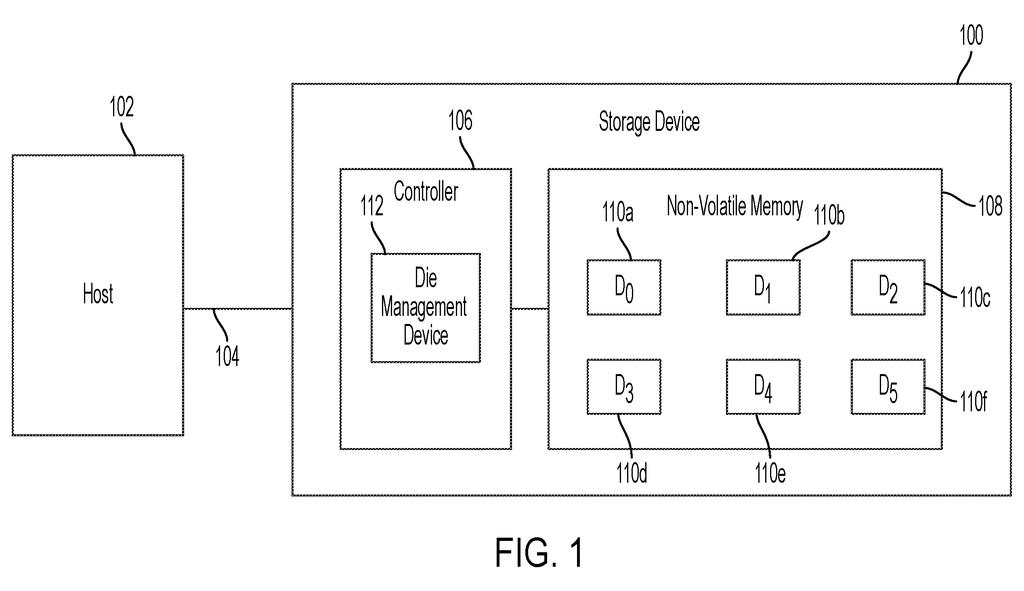
What Samsung's memory-routing fix actually does for your devices
You're downloading a large file while your phone is also syncing photos in the background. Both tasks are hammering the same slice of internal storage at once, and one ends up waiting. That waiting is called memory die contention, and it shows up as sluggish performance even when your device looks fine on paper.
Samsung's patent covers a system that watches incoming data streams and checks which storage chips are busy before deciding where to send the data. If the first chip a stream would normally go to is occupied, the system uses what it already knows about that stream's history to pick a different, available chip instead.
The result is that data keeps moving instead of queuing up. Your phone, laptop, or server does more work in less time, without needing faster individual chips, just smarter traffic management between the ones already there.
… determining availability of a first storage element and a second storage element from a set of storage elements; identifying state information for the first stream …
Translation: The system checks which memory chips are free and looks up where the incoming data is currently directed.
How the controller tracks stream states and picks a free chip
The patent describes a controller that handles multiple incoming data streams (think of a stream as a pipeline carrying one continuous task's data, like a file transfer or a database write).
For each stream, the system maintains state information: a record of which storage chips (called memory dies, the physical silicon slices inside an SSD or memory package) that stream has been assigned to before. When a new batch of data arrives, the controller checks two things:
- Which chips are currently available (not busy)
- What assignment history that stream already has
Using both pieces of information together, it assigns the stream to the best available chip. Claim 1 is deliberately broad: it covers any method that receives a stream, checks availability of at least two storage elements, consults prior assignment states, and then routes accordingly. The claim doesn't restrict itself to a specific chip type, interface standard, or number of dies, which makes it wide-ranging across SSD controllers, HBM stacks, and embedded flash.
The core insight is that knowing a stream's assignment history (not just current load) lets the controller make a more informed routing decision, potentially avoiding chips that are thermally stressed, partially busy, or a poor fit for that stream's pattern.
What this means for fast storage in phones and data centers
For everyday users, better contention handling means storage-intensive tasks (gaming, video editing, large file transfers) don't stall each other as noticeably. Devices can get more out of the memory hardware they already contain, which matters especially in phones and laptops where you can't swap in a bigger chip after the fact.
For data centers, the stakes are higher. Servers routinely run dozens of competing workloads against the same storage, and even small waits compound into real latency at scale. A controller that routes around busy dies without waiting for a full scheduling cycle could meaningfully improve throughput without requiring denser or more expensive memory packages.
Samsung's 56th filing we've tracked since June in our AI chip wars watch adds to a run that includes one on borrowing extra storage and one on compressing AI math.
Claim 1 covers any system that checks which storage units are free, remembers which unit a data stream was previously assigned to, and uses both pieces of information together to decide where to send data next. The claim does not specify a memory type, a number of streams, or any particular method for weighing those two factors, which makes it wide enough to reach a large portion of modern storage hardware.
That breadth matters because the underlying logic, check availability, remember history, choose accordingly, is a basic scheduling pattern embedded in many storage products already on the market.
If granted close to its current form, this patent could give Samsung grounds to challenge firmware that simply avoids sending data back to a recently used memory unit when a fresher one is free, a behavior common in consumer drives and enterprise storage arrays alike.
There are more where this came from
We read every patent application Big Tech publishes and send you the ones worth knowing. Plain English, free, every week.
The drawings
8 drawing sheets from US 2026/0277478 A1 · click any drawing to enlarge


Want this weekly breakdown for a company we don't cover? Patentlyze Pro →