
Samsung Patents a Robot Vacuum That Reads Floor Surfaces with Sound Waves
Most robot vacuums treat every floor the same. Samsung is patenting a system that uses sound waves to figure out whether it's rolling over hardwood, carpet, or tile, then changes how it cleans on the spot.
What Samsung's floor-sensing robot vacuum actually does
Ever wondered why your robot vacuum seems to struggle going from carpet to hardwood? Right now, most of these machines use simple sensors that notice a surface change but don't really know what kind of floor they're on.
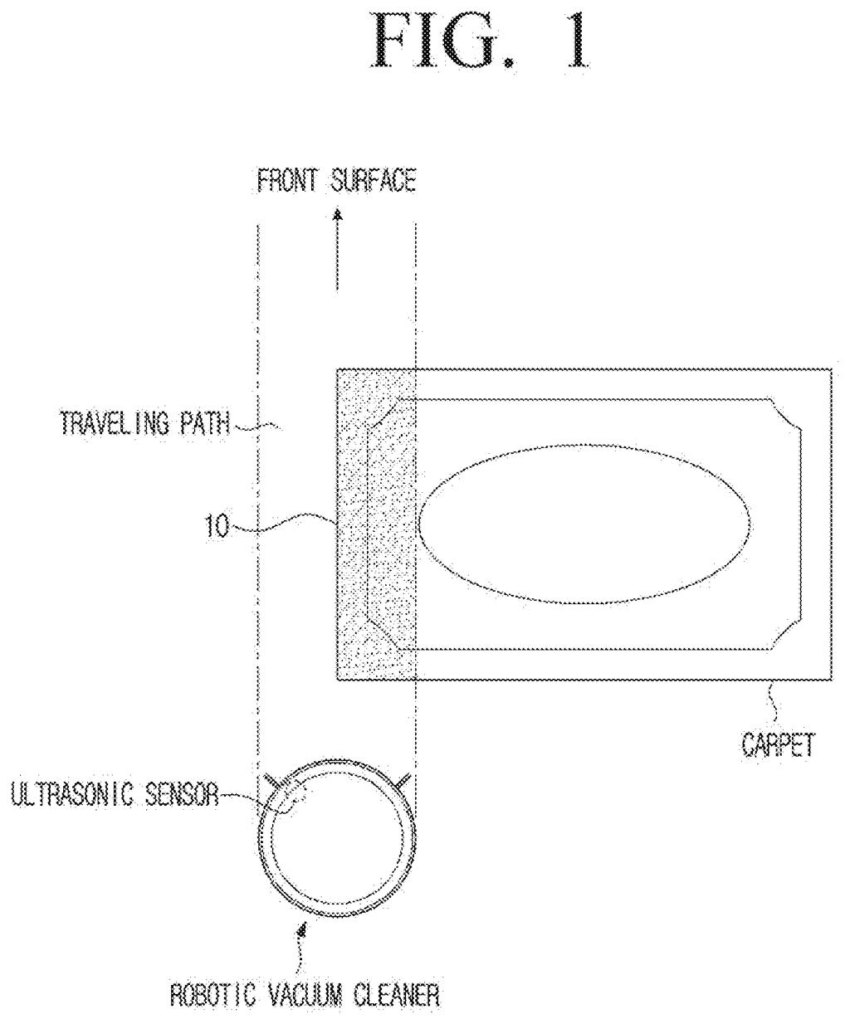
Samsung's new patent describes a robot vacuum that bounces ultrasonic pulses off the floor beneath it, the same basic idea as a bat using sound to "see" in the dark. It then pairs that acoustic data with information about how the robot itself is moving, like whether it's vibrating more or slowing down. A small AI model analyzes both streams of data together to identify the floor type.
Once the vacuum knows what surface it's on, it adjusts. That could mean stronger suction on thick carpet, a gentler brush roll on delicate wood floors, or a different movement pattern altogether. The goal is a machine that adapts its cleaning to your actual home, not a one-size-fits-all approach.
… obtain first data corresponding to a feature of a floor surface through the first sensor and second data corresponding to the movement of the robotic vacuum cleaner through the at least one second sensor …
Translation: It gathers data about the floor and its own movement while driving around.
How ultrasound and motion data train the floor classifier
The patent describes a robot vacuum with two types of sensors working together. The first is an ultrasonic sensor (a device that emits high-frequency sound pulses, too high for humans to hear, and measures how they bounce back). Different floor materials return different echo patterns, so hardwood, carpet, and tile each produce a distinct acoustic signature.
The second set of sensors tracks the robot's own movement, things like wheel speed, vibration, and the resistance the motor encounters. Carpet naturally creates more drag than a smooth tile floor, so that data adds another layer of evidence about what surface the robot is crossing.
Both data streams are fed into a trained neural network (an AI model that has learned to recognize patterns from examples, similar to how a photo app learns to tell cats from dogs). The model combines the acoustic and motion readings into a confident classification of the floor type.
With that classification in hand, the robot's processor adjusts its operating mode. The patent covers storing path information in memory too, so the vacuum could potentially build a map of which rooms have which floors and adapt before it even arrives.
… obtains type information indicating the type of the floor surface by inputting a traveling data set including at least part of the first data and the second data to a trained neural network model …
Translation: An AI model analyzes the sensor data to figure out what kind of flooring it is on.
What this means for how robot vacuums clean your home
For most people, the practical payoff is a machine that doesn't have to be manually configured when it moves between rooms. Your robot vacuum would decide on its own how hard to work on your Persian rug versus your kitchen tile, which is the kind of automation these devices promise but rarely fully deliver.
There's also a wear-and-tear angle. Running a high-powered brush roll at full speed on delicate hardwood for years adds up. A vacuum that dials back intensity on the right surfaces could mean floors that look better longer. Samsung's string of robot-vacuum intelligence filings suggests this floor-sensing idea fits a broader pattern, not a one-off experiment.
Samsung's 46th filing we've tracked since May in our home robots watchlist builds on earlier ideas like the shaped wheel and self-extending dock contacts.
Adding a sound-based sensor that bounces signals off the floor costs money, adds something that can break, and creates a real vulnerability: wet floors or unusually thick rugs can distort those echoes in ways the system may misread without warning.
The smarts here depend entirely on what the system was taught. A model trained on oak, tile, and standard carpet may confidently misidentify cork or textured vinyl, and the vacuum will just keep operating on bad assumptions, with no indication anything is wrong.
The motion sensor pairing softens that risk by giving the system two independent signals to work from, so one bad reading is less likely to ruin the whole call. That redundancy is the strongest part of the design and the main reason the overall trade reads as defensible, though only if Samsung trained the model on the actual range of floors people live on.
There are more where this came from
We read every patent application Big Tech publishes and send you the ones worth knowing. Plain English, free, every week.
The drawings
10 drawing sheets from US 2026/0272244 A1 · click any drawing to enlarge


Want this weekly breakdown for a company we don't cover? Patentlyze Pro →