
Google Patents a Search System That Splits Your Query into Tasks and Learns From Your Clicks
Google's latest patent describes a search system that doesn't treat your query as a single question. Instead, it breaks it into sub-goals, ranks each one, and reshuffles the results page while you're still scrolling through it.
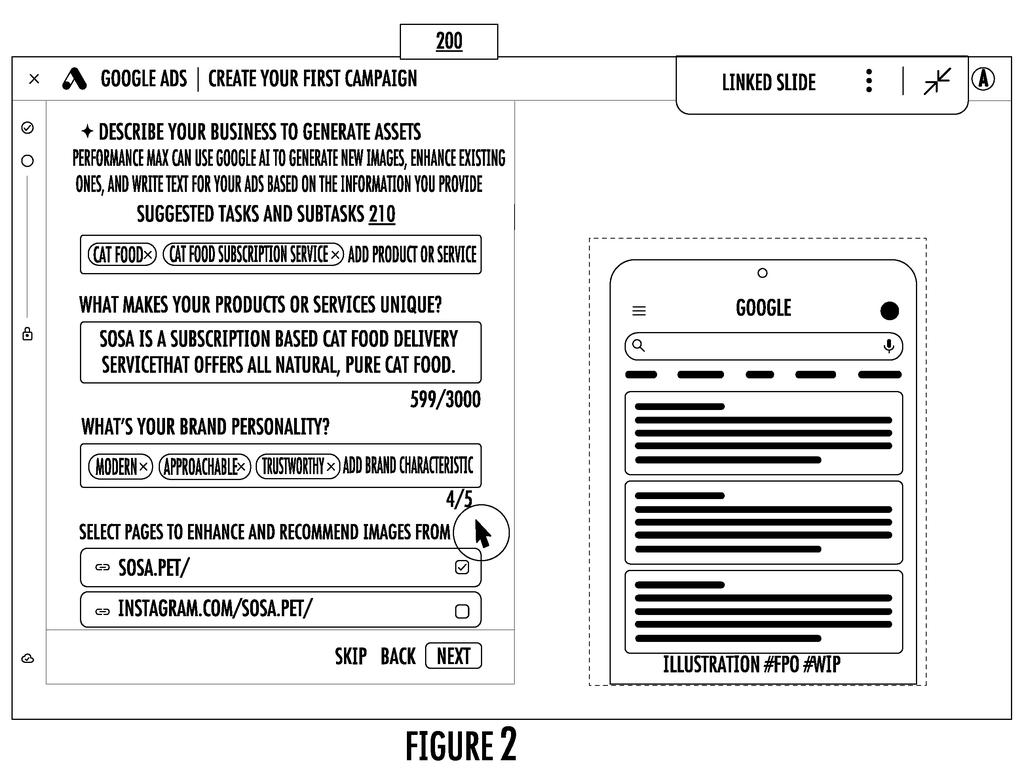
What Google's task-splitting search system actually does
Ever searched for something big, like 'how to start a vegetable garden,' and felt like the results were all over the place? Some links cover soil prep, others cover seed selection, and none of them seem ordered for what you actually want first.
This patent describes a Google search system that tries to solve that. When you type a query, the system figures out that your real goal is made up of several smaller goals, called subtasks. It searches for each subtask separately, then stacks the results on the page based on which subtask it thinks you care about most.
Here's where it gets interesting: the page doesn't lock in. If you scroll down and click something related to one of the lower subtasks, the system notices that interaction and updates the remaining results around that subtask as more content loads. It's a search results page that adjusts to your actual behavior, not just your typed words.
… determining, using a multi-task machine-learned model, that the first user query is associated with a first subtask and a second subtask of a task …
Translation: The system uses AI to break a single search request down into multiple distinct parts.
How the model scores subtasks and updates results mid-scroll
The system centers on a multi-task machine-learned model, a single AI model trained to handle several jobs at once: classifying what subtasks a query implies, scoring how important each subtask is, and running separate searches for each one.
When a query arrives, the model assigns each identified subtask a user interaction score, an estimate of how likely a typical user is to engage with content for that subtask. Results tied to the highest-scoring subtask appear at the top of the page; lower-scoring subtasks get pushed down.
- The model performs independent content searches for each subtask, not one unified search.
- Results from each subtask search are interleaved or stacked on the results page in score order.
- As the user scrolls, the system monitors live interactions (clicks, taps, dwell time) with specific content items.
- A click on a lower-ranked subtask's content triggers a score update, which reshapes what loads next as the user continues scrolling.
This means the results page is effectively a dynamic feed, not a static ranked list. The patent's claim covers the full loop: query in, subtask classification, parallel searches, scored presentation, live interaction capture, and on-the-fly page updates.
The first content item can be displayed above the second content item based on the first user interaction score being higher than the second user interaction score.
Translation: Search results are automatically reordered on the screen depending on what users tend to click on.
What this means for how Google Search pages look and feel
For everyday users, this could mean a results page that stops feeling like a one-size-fits-all list. If you search for 'marathon training plan' and start clicking on nutrition links rather than schedule links, the page could fill in with more nutrition content rather than serving you more schedule articles you're clearly ignoring. That's a more responsive experience than today's largely static search page.
The design also signals Google's interest in modeling intent at the task level, not just the keyword level. Rather than asking 'what did the user type?' the system asks 'what is the user trying to accomplish, and which part of that goal matters most right now?' That framing has implications for how search advertising and organic ranking interact, since subtask scores could eventually influence which sponsored results appear alongside which content blocks.
Google files its 91st patent application in our Language AI coverage we've tracked since May, adding to earlier work like one that decorates documents and one that skips understood words.
A page that reorders itself based on what you click is more helpful in theory, but it also means the results you saw ten seconds ago may not be there when you scroll back up. That instability is a real cost, and this design doesn't appear to account for it.
Clicks are also a noisy signal. People tap things out of curiosity, by accident, or because a headline was misleading, and if the system treats any of those as meaningful votes, the page can drift in a direction the user never intended with no clear way to pull it back.
The tradeoff reads as worthwhile on a long, app-style feed where content is already loading dynamically. On a standard search page, the added complexity is likely to produce more confusion than it resolves.
There are more where this came from
We read every patent application Big Tech publishes and send you the ones worth knowing. Plain English, free, every week.
The drawings
10 drawing sheets from US 2026/0288891 A1 · click any drawing to enlarge


Want this weekly breakdown for a company we don't cover? Patentlyze Pro →
Be the first to weigh in