
Samsung Patents a Way to Pinpoint Low-Power Devices Using Fewer Radio Signals
Location tracking on cheap, low-power wireless devices is a battery-killer because the radio has to work overtime to get a fix. Samsung's new patent proposes a method that bundles multiple positioning signals into a single measurement window, so the device does less work for the same result.
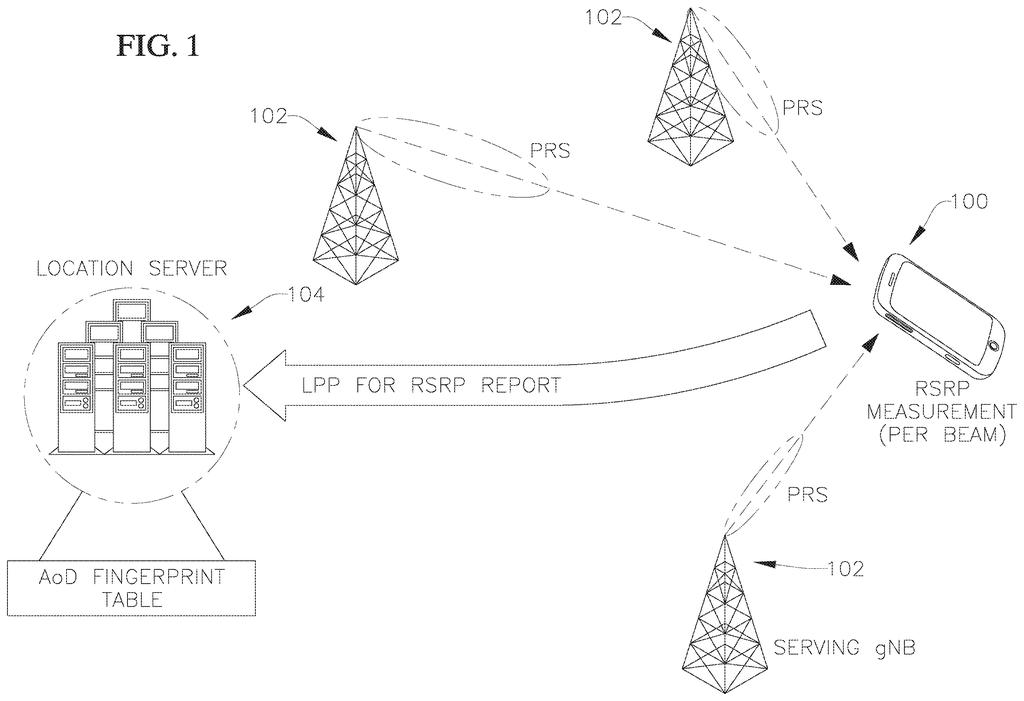
What Samsung's signal-combining location trick actually does
Every time a cheap connected gadget (think a parcel tracker, a medical sensor, or a factory tag) reports where it is, its radio has to listen for signals, take measurements, and send the data back. On a stripped-down, low-power device, that process burns through battery fast.
Samsung's patent describes a way to bundle several positioning reference signals into one listening window instead of handling them one at a time. The device checks whether those signals can be combined cleanly, and if they can, it stacks them up, measures them all at once, and reports back. Less radio time means less battery drain.
The patent also lets the device figure out how much bundling makes sense based on the current radio conditions, so it is not doing more work than necessary. It is a small but practical efficiency aimed squarely at the billions of low-cost, long-life wireless devices that 5G networks are supposed to support.
… determining, by the UE, a defined amount of aggregation for the aggregated PRS based on one or more channel parameters; and performing, by the UE, measurements based on the defined amount of aggregation and the aggregated PRS.
Translation: The device figures out how many signals to combine based on current network conditions before taking measurements.
How the UE picks its aggregation level from channel data
The patent covers a positioning method for a category of 5G device called a RedCap UE (Reduced Capability User Equipment), which is 5G-speak for cheap, low-power gadgets like sensors and trackers that do not need a full smartphone radio.
The core mechanism works in three steps:
- The device receives an aggregated positioning reference signal (PRS), a specially formatted radio beacon the network uses to help devices calculate where they are, similar in purpose to GPS satellites but over cellular.
- The device analyzes channel parameters (meaning the current quality and characteristics of the radio link) to decide how many of those signals it can safely stack together before the combination gets noisy.
- It then takes measurements across that combined bundle and reports the result, rather than measuring each signal separately.
An earlier part of the patent also describes coherence checking: the device confirms that signals arriving on different slices of the frequency band can be combined without introducing errors. If they can, it aggregates them in a single measurement gap (a scheduled quiet window where the radio stops transmitting and listens). If they cannot, it treats them separately.
The overall goal is to reduce the number of measurement cycles a low-power device needs, which directly reduces how long the radio must stay active.
… determining that the at least PRSs are coherently combinable, aggregating, by the UE, the at least two PRSs in one measurement gap, and reporting, by the UE, measurements based on the aggregating the at least two PRSs.
Translation: The system checks if multiple signals can be safely combined and processes them together during a single pause.
What this means for cheap connected devices and location accuracy
For consumers, this is mostly invisible plumbing. But the devices it targets, small sensors, asset tags, and medical monitors, live or die by battery life. A sensor that has to wake its radio up repeatedly to get a location fix will drain a coin-cell battery in weeks. A more efficient method could stretch that to months.
Samsung's bet on low-power 5G device connectivity runs through several recent filings, and this one fits that pattern. As networks try to support millions of cheap connected devices, the bottleneck shifts from coverage to efficiency. A positioning method that is lighter on the radio is a real engineering problem worth solving, even if the solution here is incremental rather than a wholesale redesign.
Samsung's 83rd filing we've tracked since May in our 5G and network work builds on earlier applications like one fixing shared location signals and one blocking antenna interference.
The ship path for something like this is actually shorter than most 5G patents, because it is a software and protocol change, not a new hardware requirement. The device-side logic (check signals, decide on aggregation level, measure, report) could in principle be delivered in firmware on existing RedCap chipsets, assuming the network side already sends the right signal formats.
The bigger dependency is on the standardization process. 5G positioning features live inside 3GPP specifications, and a method like this would need to make it into a future release before chipmakers are obligated to support it. That is a multi-year process, not a firmware push.
So the feature is real and the engineering looks straightforward, but the calendar between a Samsung filing and a shipping sensor using this method is long. This is a positioning bid inside a standards race, not a product announcement.
There are more where this came from
We read every patent application Big Tech publishes and send you the ones worth knowing. Plain English, free, every week.
The drawings
6 drawing sheets from US 2026/0304369 A1 · click any drawing to enlarge


Want this weekly breakdown for a company we don't cover? Patentlyze Pro →
Be the first to weigh in