
Samsung Files Patent for Fix That Helps Two 5G Devices Share Location Signals Simultaneously
When two devices try to broadcast location signals at the same time on 5G, they can step on each other's transmissions. Samsung's new patent describes a way to squeeze both signals into the same time window without that interference.
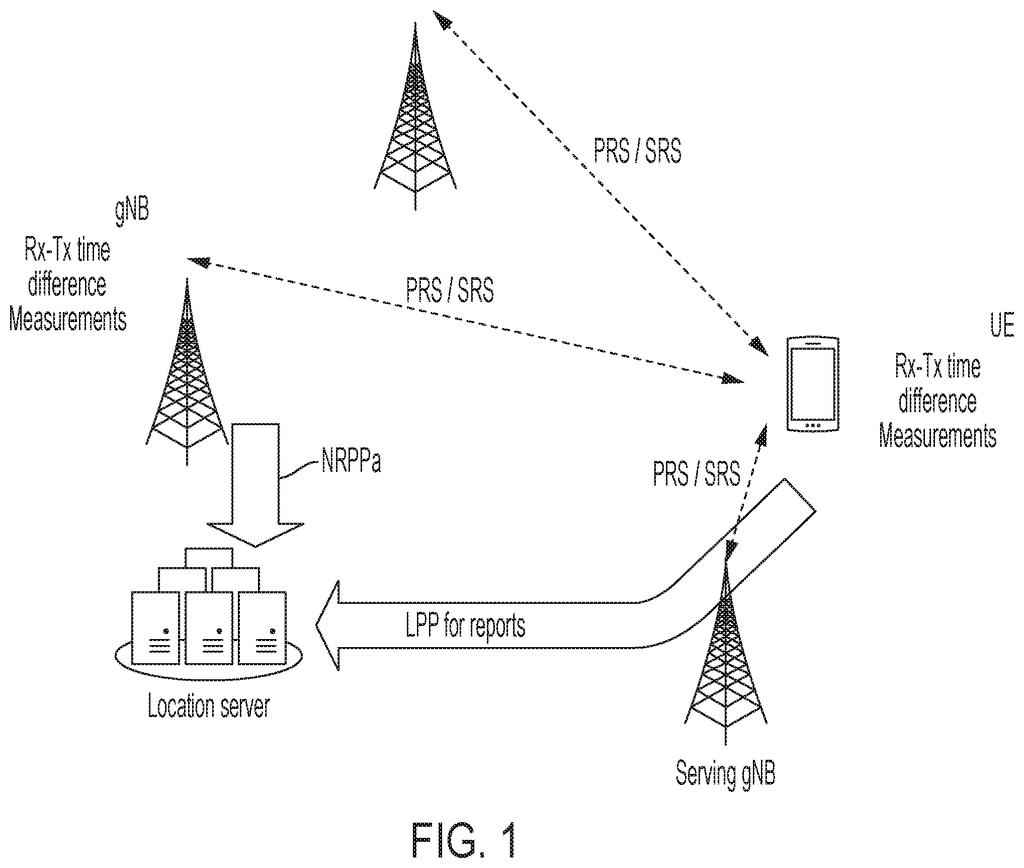
What Samsung's shared positioning signal actually does
Right now, when multiple phones or 5G devices need to broadcast signals so a network can figure out where they are, each device typically needs its own dedicated time slot. That gets wasteful fast, especially as more devices crowd into the same network.
Samsung's patent describes a method where two devices can transmit their location signals in the same time slot. The trick is that each device sends a quick preview copy of one part of its signal just before the full signal goes out. That preview acts like a warning flag, helping receivers sort out which signal belongs to which device even when both are transmitting back-to-back.
Think of it like two people talking in sequence so fast it almost sounds simultaneous, but each one clears their throat first so you can tell them apart. The result is that more devices can be located at once without needing more airtime to do it.
transmitting, by a first User Equipment (UE): a first Positioning Reference Signal (PRS) transmission, and, immediately preceding the first PRS transmission, a duplicate of a symbol of the first PRS transmission …
Translation: The first device sends its location signal right after a copied symbol of that same signal.
How the duplicate symbol prevents signal collisions
The patent centers on Positioning Reference Signals (PRS), which are specialized radio signals that 5G networks use to calculate where a device is located, similar to how GPS satellites send timed pulses that your phone uses to triangulate position.
The core problem is multiplexing (fitting multiple signals into the same channel without them drowning each other out). The patent proposes time-division multiplexing of two PRS transmissions from two different devices inside a single slot, where a "slot" is a very short, fixed time window in 5G radio scheduling.
Here is what each device does inside that shared slot:
- It sends a duplicate of one symbol (a single unit of radio data) from its positioning signal immediately before the full positioning signal.
- The full PRS transmission follows right after that duplicate.
- The second device does the same thing in the same slot, interleaved in time with the first.
The duplicate symbol serves as a cyclic prefix analog, giving receivers a reference point to identify and separate the two signals. Because both transmissions follow a predictable, mirrored structure, a base station or other receiver can mathematically pull them apart even though they share the same slot.
a second PRS transmission, multiplexed in time with the first PRS transmission, transmitted by a second UE, and, immediately preceding the second PRS transmission, a duplicate, of a symbol of the second PRS transmission …
Translation: The second device does the exact same thing at the exact same time so they avoid crashing into each other.
What this means for 5G device tracking accuracy
For everyday users, more efficient positioning means networks can track the location of more 5G devices at once without reserving more radio spectrum to do it. That matters most in dense environments like stadiums, warehouses, or city blocks where dozens or hundreds of devices all need location services at the same time.
Samsung keeps filing on 5G positioning and radio efficiency, so this fits a broader pattern in how it approaches the positioning layer of next-generation networks. The practical benefit is not just about phones; industrial 5G setups, where robots and sensors all need precise, real-time location data, stand to gain the most if this kind of slot-sharing becomes standard.
Samsung's 82nd filing we've tracked since May in our 5G and network work follows antenna interference shields and a frame-hidden antenna slot.
Tracking dozens of forklifts or sensors at once without their location signals colliding is a real problem in warehouses and factories, and Samsung's filing addresses it by squeezing two devices' signals into the same time window using a small repeated fragment that helps receivers sort them apart. That is a precise, useful idea.
Getting it into a real product requires new physical hardware on both ends: the antennas and chips inside tracked devices, and the base stations listening to them. This is not a software update that ships overnight.
The road runs through international standards committees first, then chipmakers who have to bake the new signal structure into silicon, then the device manufacturers who buy those chips. If the standards process goes Samsung's way, a working product is realistically several years out.
There are more where this came from
We read every patent application Big Tech publishes and send you the ones worth knowing. Plain English, free, every week.
The drawings
21 drawing sheets from US 2026/0304371 A1 · click any drawing to enlarge


Want this weekly breakdown for a company we don't cover? Patentlyze Pro →
Be the first to weigh in