
Microsoft Files Patent for an AI Tool That Picks the Fewest Steps a Job Needs
Microsoft's filing describes a system that tests several ways to split a big AI job into steps, then chooses the plan with the fewest steps that still works. It automates the trial and error that people usually do by hand.
What Microsoft's step-splitting AI patent does
A very long group chat has been running for days, and someone asks an AI assistant to summarize it, flag the risks, pull out every link and build a timeline. That is a lot to ask in one go, and the answer can come back muddled or incomplete.
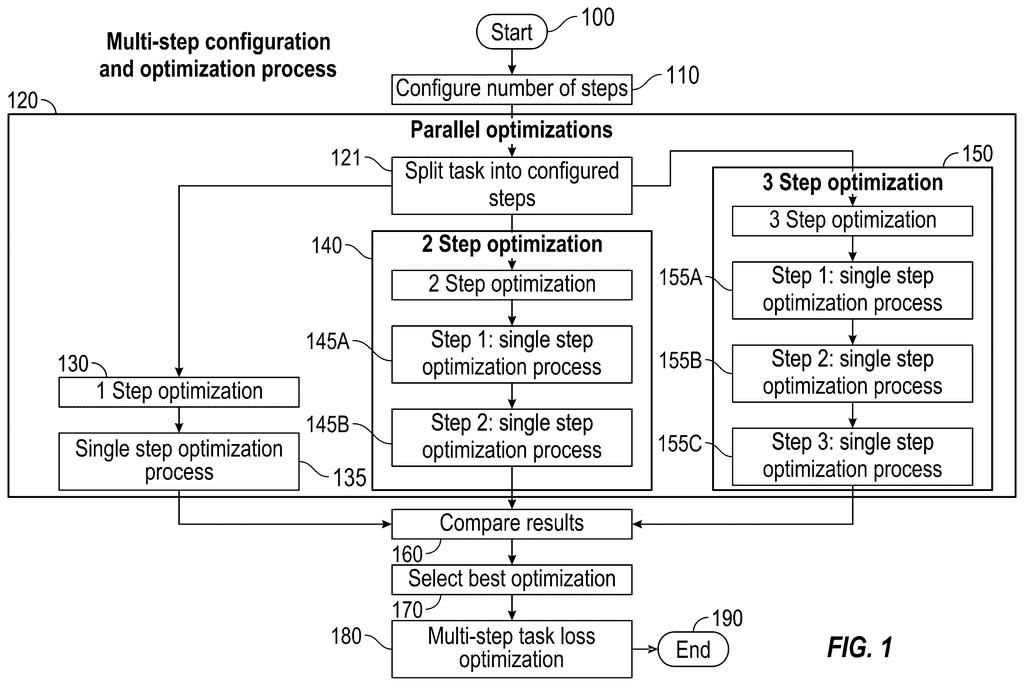
Microsoft's patent application describes a way to let the AI work out the best game plan on its own. It tries splitting the job into one step, two steps, three steps and so on. It writes instructions for each version and predicts how well each one will do.
Then it picks the version with the fewest steps that still clears a quality bar. You'd get your answer from that plan, with no person fiddling with the wording by hand.
… forming multiple different combinations of subtasks, wherein each of the different combinations of subtasks provides a different number of subtasks that, if performed collectively, accomplish the overall task; …
Translation: The tool creates various ways to break a big job into smaller steps.
How the AI tests one-step, two-step and more plans
You start with a base prompt (the plain-language instruction you'd normally type to an AI) for an overall job. The system turns that into detailed task instructions, then forms several different ways to break the job into subtasks. Each option uses a different number of steps, such as one big step versus several smaller ones.
For every option, it writes a matching set of subprompts (one short instruction per step) and predicts how well that set would do. The prediction can come from a learned model that estimates execution time, cost or performance. It can also come from trial runs on sample data that score accuracy and coherence (whether the output hangs together logically). Each prediction is checked against a threshold, and the system picks the option with the lowest number of subtasks that still passes. The search can run one option after another or in parallel.
The filing also describes how each subprompt gets polished. For each step, the system:
- Writes several candidate subprompts and runs them
- Measures how much the outputs vary, how accurate they are and how coherent they are
- Turns those scores into a reward (reinforcement learning, a trial-and-error method that favors what scores well) and refines the candidates
The whole process can be repeated across several language models to compare how the subprompts hold up.
… selecting a combination for performing the overall task that meets the threshold performance condition; …
Translation: It chooses the most efficient set of steps that still gets the job done right.
Why fewer AI steps could mean faster answers
If you've used an AI assistant to summarize meetings, group chats or support calls, you've seen it miss a detail or ramble. The patent's own examples include meeting summaries, project status, customer service, healthcare and legal documents, all jobs where a one-shot request can fall short. Tuning the steps automatically means fewer people hand-testing instructions, which the filing says limits how widely this kind of work can scale.
The fewest-steps rule is the practical part. Every extra step costs time and computing power, so a plan that does the job in two steps beats one that takes five. For you, that could mean quicker, cheaper answers from the same AI. As with any patent application, nothing here says a product is coming.
Microsoft's 22nd filing we've tracked since July on AI agents that act for you adds to earlier work like the game bug finder and the screen-aware assistant.
Claim 1 is built around one specific rule: out of several ways to split a job into steps, pick the one with the fewest steps that still meets a quality bar. Everything else in the claim, from receiving a prompt to running the final steps, is the plumbing that leads to that choice.
The breadth sits in the loose parts. A "threshold performance condition" can be any bar, and the claim names only "a language model" and "an overall task." That reaches a lot of ground, since meeting summaries are just the patent's own example.
The narrow part is the tie-break. Claim 1 says nothing about picking the best-scoring split or using a fixed number of steps; the fewest-steps rule is written right into it. If granted, protection would hang on that one choice, which makes this a modest, practical slice of prompt engineering.
Get our take in your Top Stories
Liked this breakdown? Add Patentlyze as a preferred source on Google, and our plain-English take shows up more often in your Top Stories the next time Microsoft patent news breaks.
There are more where this came from
We read every patent application Big Tech publishes and send you the ones worth knowing. Plain English, free, every week.
The drawings
6 drawing sheets from US 2026/0320403 A1 · click any drawing to enlarge


Want this weekly breakdown for a company we don't cover? Patentlyze Pro →
Be the first to weigh in