
Apple Files Patent to Keep Headset Video Flowing When the Mobile Network Jams Up
Apple's patent application describes a way to flag traffic jams in the data stream feeding a headset, so the video pieces everything else depends on get through first. It covers three ways to send the warning, including a congestion percentage and a single flag in the data's label.
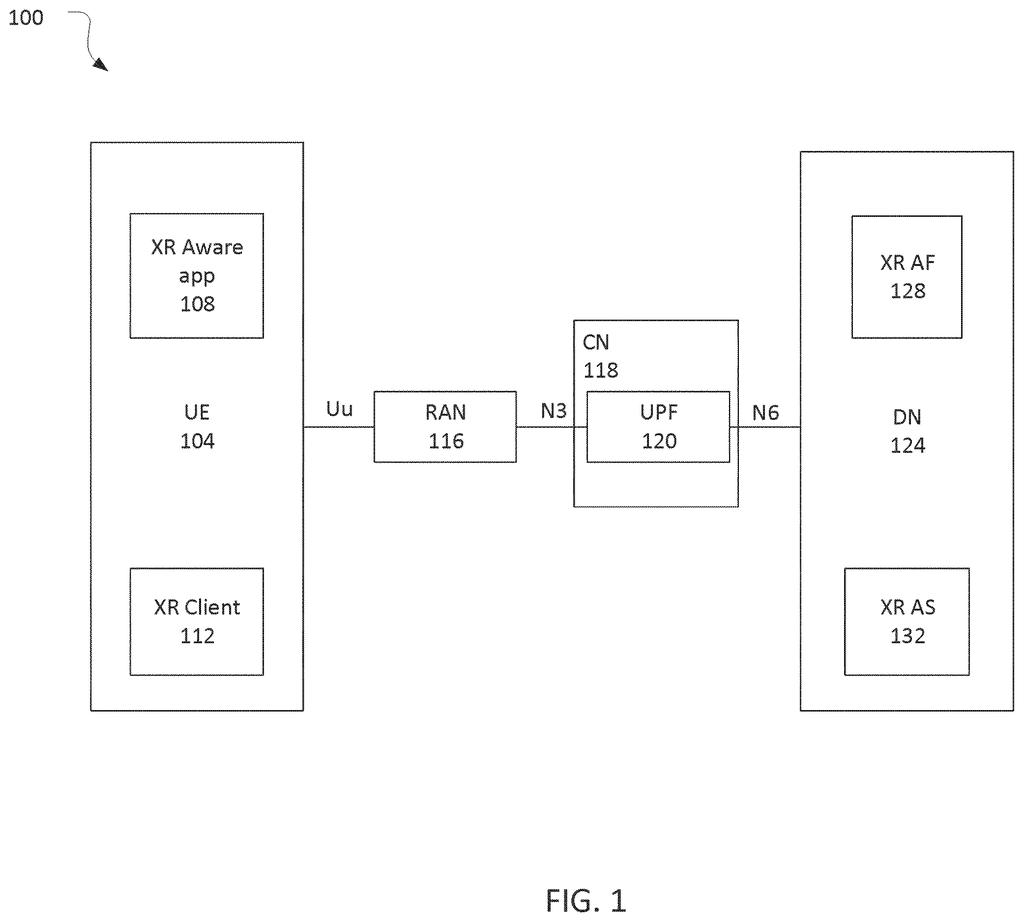
What Apple's XR congestion warnings actually do
A headset is streaming a live 3D scene over a cell tower that dozens of other phones are also using. Then the connection clogs, and the picture starts to stutter. This filing is about making sure the network hears about that jam quickly and knows how bad it is.
Apple's filing describes a way for your phone or headset, or the network itself, to notice the jam and attach a warning to the data. The warning can be a simple flag, or a level such as high, medium or low, or a percentage.
Video is sent in chunks, and some chunks matter more than others. When a jam hits, the system can give the important chunks a fast lane, or drop the less important ones, instead of letting everything slow down together.
detecting a congestion event associated with a traffic flow; and generating an assistance information message to include congestion information based on said detecting the congestion event, wherein the congestion information includes an indication of a congestion level; …
Translation: Noticing when network traffic slows down and creating a warning message that describes how bad the jam is.
How a flagged video frame gets a fast lane
XR (extended reality, the umbrella term for virtual and augmented reality) video travels in bursts. Each burst is a PDU set: a group of small data packets that together make up one frame or chunk of the scene. The filing judges congestion for the whole group.
The claims cover three ways to report a jam:
- An assistance information message (a side note sent to another device) that includes a congestion level, such as a percentage of congestion on the uplink or downlink.
- A packet header (the label at the front of the data) with bits set as a 'congestion experienced' flag, either once for the whole set or in every packet.
- A congestion indication passed to a related set, such as a predicted frame that depends on an earlier reference frame.
Once a jam is spotted, the sender can raise the priority of the remaining packets, duplicate packets for reliability, hand out more radio resources, or change settings like transmit power and repetitions. It can also favor high-priority sets or drop sets below a priority threshold.
XR gets its own detection rules. The thresholds can be a weighted version of the ones used for ordinary traffic, based on jitter (how unevenly packets arrive), or based on the percentage of packets arriving within a delay budget.
Why XR headsets on 5G could freeze less
If you wear a headset or glasses on a mobile connection, the worst moment to lose data is when many people are using the same tower. A system that tells the network which video pieces are in trouble, and how badly, could let it protect the pieces the rest of the picture depends on.
The filing mentions phones, XR devices and glasses, and it works at the level of 5G network standards, so carriers and equipment makers would need to play along. Nothing in it names a product. It looks like groundwork for XR over cellular networks, where low delay matters as much as raw speed.
That makes this Apple's 592nd filing in our Apple coverage since May, a run that includes applications like curved glass coatings and a pocket-based headset.
You would notice this patent only when it works: your headset video stays sharp in a crowded train station instead of freezing at the worst moment. For anyone who wears a headset on a mobile connection, that is a concrete benefit.
The filing itself is plumbing, full of dense standards language about how phone networks label data. The idea underneath is easy to grasp. When the network gets crowded, protect the pieces of video that everything else depends on. If one key frame is lost, the frames that follow it are useless, so guarding it first makes sense.
Whether you ever feel it depends on carriers and equipment makers adopting it, which a patent application cannot promise. Expect no new button or setting. The result, if it arrives, is fewer freezes.
Get our take in your Top Stories
Liked this breakdown? Add Patentlyze as a preferred source on Google, and our plain-English take shows up more often in your Top Stories the next time Apple patent news breaks.
There are more where this came from
We read every patent application Big Tech publishes and send you the ones worth knowing. Plain English, free, every week.
The drawings
8 drawing sheets from US 2026/0343319 A1 · click any drawing to enlarge


Want this weekly breakdown for a company we don't cover? Patentlyze Pro →
Be the first to weigh in