
Qualcomm Patents a Variable Timeout System for Wireless Congestion Control
When a network is overloaded, rigid response timers are one of the hidden culprits behind dropped connections and retransmission storms. Qualcomm's latest patent proposes letting devices negotiate how long they actually have to respond — rather than everyone racing to hit the same fixed deadline.
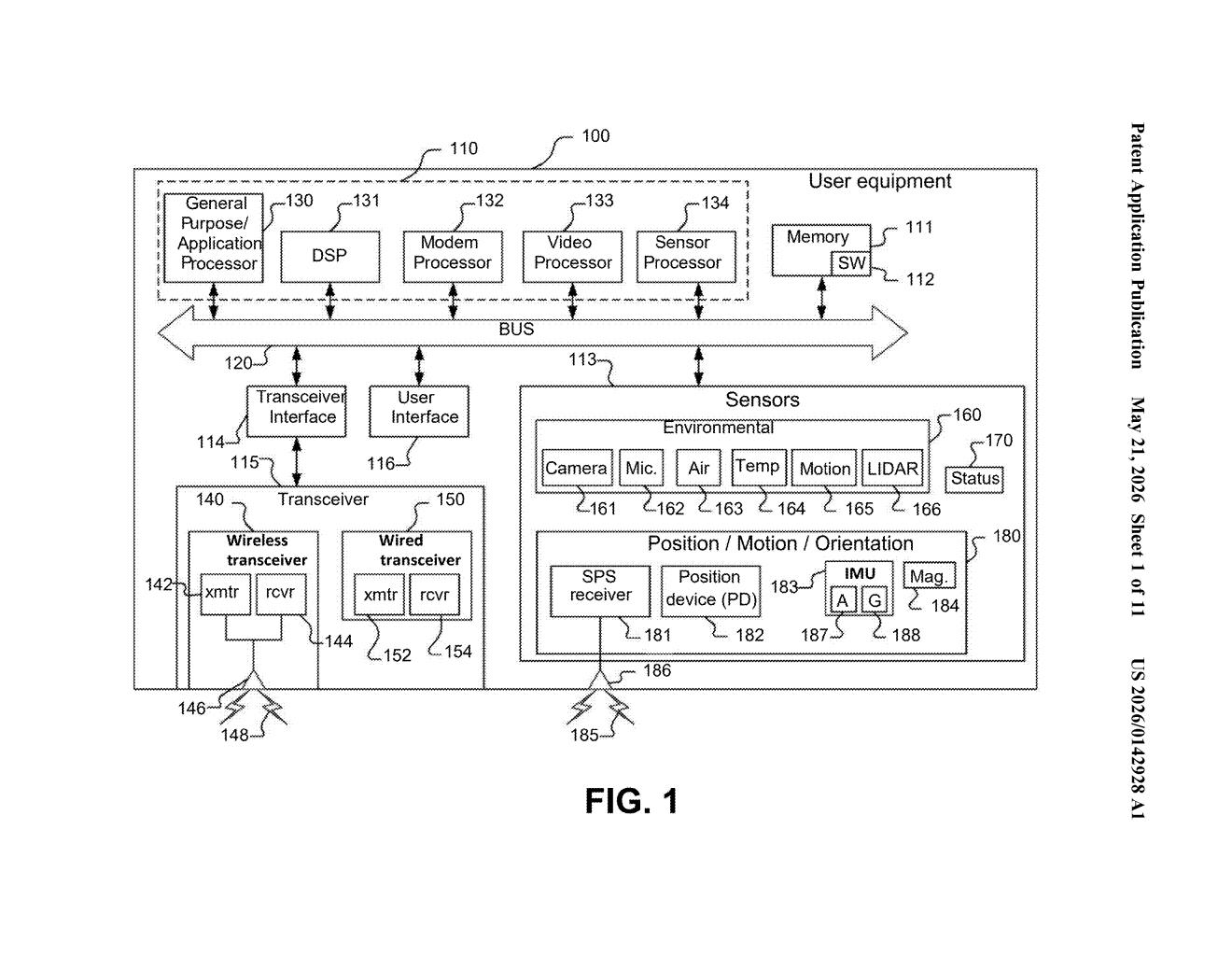
What Qualcomm's variable response window actually does
Imagine you're at a busy coffee shop and the barista asks you what you want. Normally, if you don't answer within five seconds, they move on. But what if you could say upfront, 'give me thirty seconds — I need to check the menu'? That's essentially what this patent is describing for wireless devices.
Right now, when one device asks another for data, there's typically a fixed timer. If the responding device can't pull together an acknowledgment and the actual data in time, the whole exchange can fail or get retried — which makes congestion worse. Qualcomm's approach lets the requesting device signal an extended deadline inside the request itself.
The receiving device then checks: can I actually meet this extended window? If yes, it proceeds. If not, it can respond differently — potentially sending a faster partial acknowledgment or flagging that it needs even more time. The goal is fewer unnecessary retransmissions and more graceful handling of congestion.
How the extended timeout negotiation works under the hood
The patent describes a communications protocol tweak where a requesting device embeds an "extended amount of time" indicator directly in its data request. The responding device reads this indicator and evaluates whether it can deliver both the acknowledgment and the requested data within that extended window.
This is a departure from typical fixed-timeout designs, where both sides implicitly agree on a standard response deadline baked into the protocol spec. The key components described include:
- A request message that carries an explicit extended timeout field
- A determination step on the responding device — essentially a feasibility check before committing to a response strategy
- Conditional response behavior based on whether the extended deadline can be met
The underlying problem this addresses is congestion collapse — the feedback loop where a congested device misses a tight timer, triggers retransmits, which add more load, which causes more timeouts. By giving devices a way to negotiate more realistic deadlines dynamically, the protocol can absorb load spikes without spiraling.
The patent is written broadly enough to apply to various wireless communication contexts, and the claim language covers the responding device's decision logic as the core inventive step.
What this means for congested wireless networks
Congestion control is one of those unglamorous infrastructure problems that has a huge effect on real-world network performance — think video calls that freeze during busy hours or IoT sensors that flood a network with retransmitted packets. A timeout mechanism that adapts to actual device conditions rather than assuming everyone can always hit the same deadline is a meaningful improvement at the protocol layer.
For Qualcomm specifically, this sits squarely in its modem and chipset business. If this approach ends up in a standardized protocol — or even just in Qualcomm's proprietary implementations — it could translate into measurably better performance in dense wireless environments like stadiums, factories, or congested 5G cells. That's a real competitive differentiator for modem silicon.
This is a solid, narrowly scoped protocol patent — not flashy, but addressing a real and well-documented problem in congestion control. The idea of embedding deadline negotiation into request messages is clean and logical. Whether it's novel enough to survive prior art scrutiny is another question, since adaptive timeout concepts have a long history in TCP and QUIC literature, but the wireless-specific framing gives Qualcomm a reasonable angle.
There are more where this came from
We read every patent application Big Tech publishes and send you the ones worth knowing. Plain English, free, every week.
Want this weekly breakdown for a company we don't cover? Patentlyze Pro →