
Tesla Files Patent to Spray Car Seat Surfaces Instead of Sewing Them
Tesla's patent application describes building a car seat's surface by spraying it into a mold, so the cover doesn't have to be stitched together from separate pieces. A soft layer underneath is meant to keep it plush.
What Tesla's sprayed car seat skin actually is
You slide into the driver's seat of a nice car and run a hand along the leather. Look closely and you'll spot seams where separate pieces of material were sewn together, each one a bit of labor someone had to do.
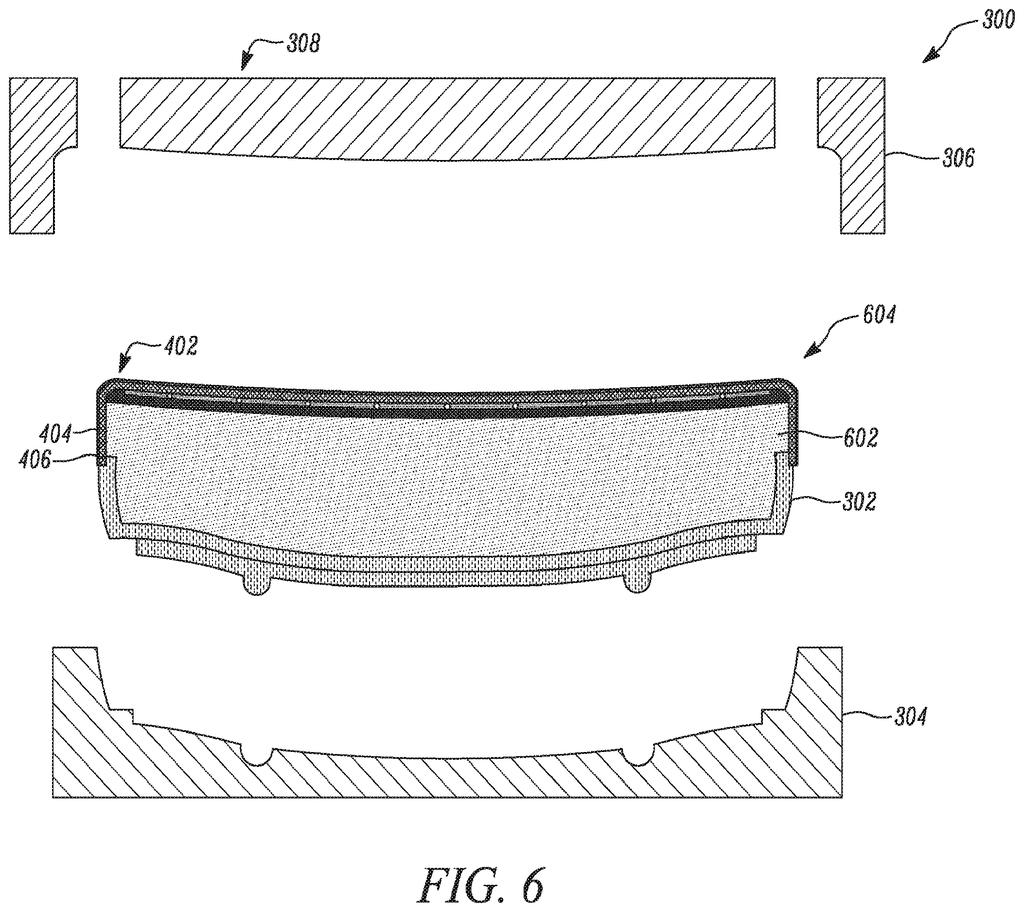
Tesla's filing describes a different way to build that surface. Instead of sewing a cover, the process sprays a thin, sun-resistant coating into a mold, then a thicker backing coat on top of it. A thin mesh, which can carry heating wires, gets pressed against the back, and a layer of soft foam bonds everything together. Then the mold closes and firmer foam fills the rest of the seat.
The filing says seats made with a sprayed skin today are mostly found on construction vehicles and bicycles, because they don't feel very comfortable. The soft layer under the skin is Tesla's fix: it gives a plush feel when you first sit down, while the firmer foam below holds your weight.
spraying the first layer directly on the second portion, and curing the first layer on the second portion, and subsequent to applying and curing the first layer applying the second layer on the first layer, the second layer located under the first layer …
Translation: Instead of sewing fabric, the car seat surface is created by spraying and curing multiple liquid layers inside a mold.
How the layers build up inside the seat mold
The claims cover a multi-step molding process. A rigid backing cover is loaded into one half of a tool (the mold). On the other half, the seat's skin is built in two stages. First, a very thin layer of UV-resistant polyurethane (a durable plastic-like coating, and the "A-surface," meaning the side you see and touch) is sprayed directly onto the tool and cured, which means hardened. Then a thicker polyurethane layer is applied to give the skin structure.
From there the claims walk through these steps:
- A mesh is laminated (bonded as a flat sheet) under the skin after the second layer cures.
- A comfort foam layer is sprayed or poured onto the mesh, which bonds the mesh to the skin.
- The two halves of the tool are closed together.
- Firmer foam is foamed in place (injected and allowed to expand) between the backing cover and the comfort layer, staying a separate layer from the comfort foam.
The mesh can contain conductive fibers or wires. The description says these could provide surface heating and capacitive sensing (detecting whether someone is sitting there). The dependent claims also describe a mesh made of separate trim pieces that are not sewn together, held in place by channels in the tool that apply pressure.
The description lays out four variations, such as a pre-made comfort pad or a pre-laminated film, and says steps can be mixed and matched. It also says the same approach could apply to furniture and airplane seats.
The method includes introducing foam between the mated first and second portions of the tool.
Translation: The final shape of the seat is formed by injecting cushioning foam into the closed mold tool.
What sprayed seats could mean for Tesla interiors
For you, the pitch is a seat surface that looks cleaner, with fewer visible seams, yet still feels soft when you sit down. Heating and occupancy sensing could be built into the layer under the surface instead of added separately. The filing's own background says traditional covers take significant time to sew, which adds cost, so the factory benefit is the likely driver here.
The filing gives no savings figures and does not name a vehicle. It also traces back to a provisional application from January 2018, so this is an older idea that only now shows up in published form. Treat it as a look at how Tesla thinks about interior manufacturing, not as a sign of a new seat arriving soon.
Tesla's 56th filing in our Tesla coverage since May adds to a run that includes a battery fluid recipe and cable-tendon robot fingers.
Sewing a car seat cover is slow, adds cost and leaves seams you can see. Those are modest problems: most drivers never think about stitching, and some buyers like the look.
The fix matches that size. It changes how the surface gets made and leaves the rest of the seat alone, with a soft layer added to avoid the hard feel the filing says earlier sprayed-skin seats had. If it works as described, you would mostly notice a cleaner-looking seat and maybe built-in heating.
The bigger value should show up on the factory floor, where fewer sewn pieces should mean fewer steps. The filing offers no numbers on savings, so how much it helps is an open question.
Get our take in your Top Stories
Liked this breakdown? Add Patentlyze as a preferred source on Google, and our plain-English take shows up more often in your Top Stories the next time Tesla patent news breaks.
There are more where this came from
We read every patent application Big Tech publishes and send you the ones worth knowing. Plain English, free, every week.
The drawings
18 drawing sheets from US 2026/0344894 A1 · click any drawing to enlarge


Show the other 10 sheets


Want this weekly breakdown for a company we don't cover? Patentlyze Pro →
Be the first to weigh in