
Samsung Patents a Bitmap-Driven Circuit for Running Multiple Video Codecs at Once
Modern devices often need to encode video in several formats simultaneously — think H.264, H.265, and AV1 all at once. Samsung's new patent describes a smarter way for a single chip to juggle all of them without losing track of which blocks of video are ready to use.
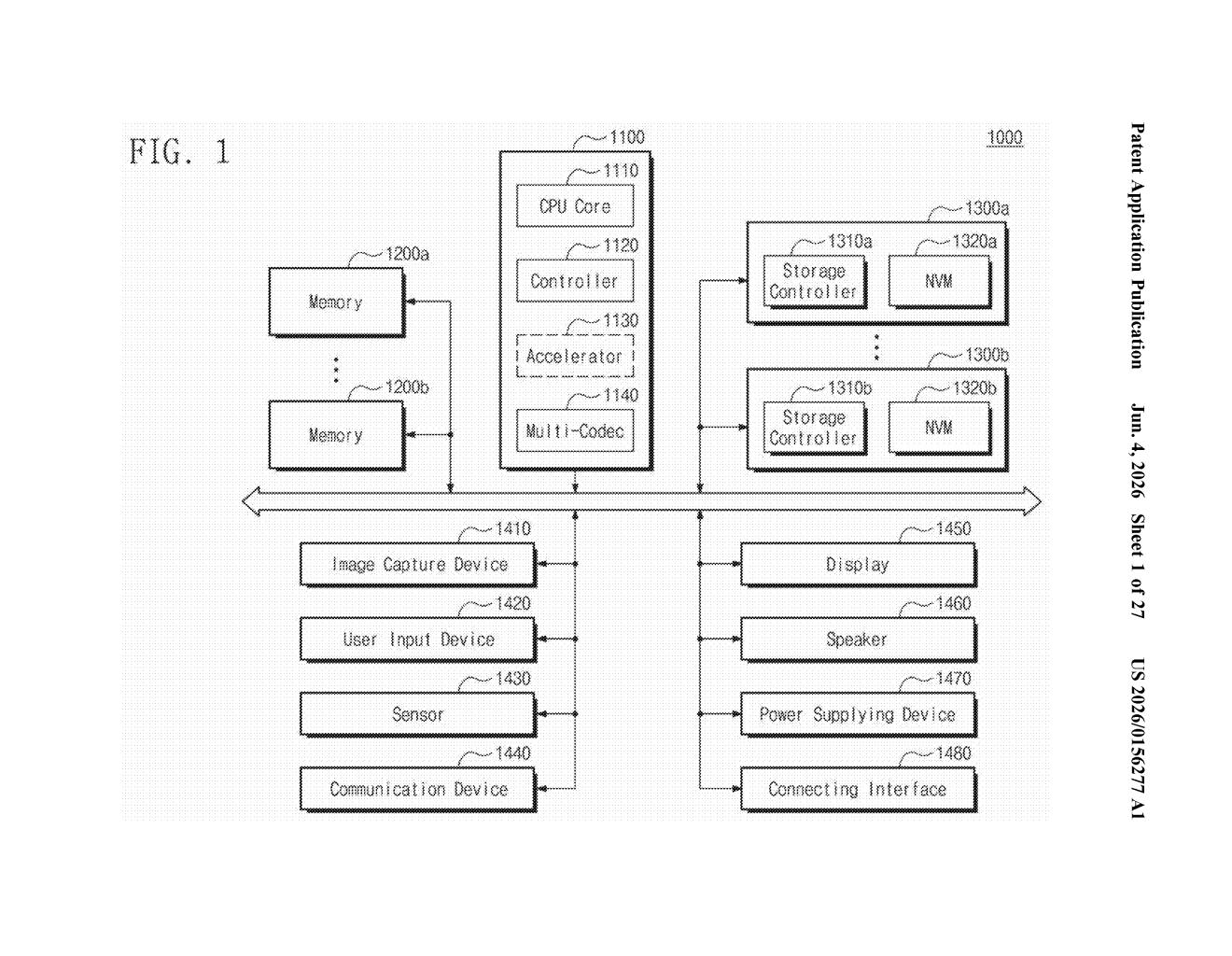
What Samsung's multi-codec bitmap trick actually does
Imagine a video chip as a factory assembly line, where each worker needs to know whether the station before them is finished before they can start. Now imagine that factory is running multiple product lines at the same time, each with slightly different rules about how big a unit of work is. Keeping everyone in sync gets complicated fast.
Samsung's patent tackles exactly this problem. When a chip encodes video, it breaks the image into a grid of blocks. Each block often needs data from its neighbors before it can be processed. This patent introduces a coding unit bitmap — essentially a checklist that tracks, for each block in the grid, whether it's been processed yet. Any block can quickly look up its neighbors on that checklist before proceeding.
The clever part is that the checklist is designed to work across different codec formats at the same time, even when those formats use different minimum block sizes. One entry in the bitmap can serve as a universal marker that every codec running on the chip understands.
How the coding unit bitmap tracks block readiness
The patent describes a hardware method for a multi-codec circuit — a chip or chip block capable of encoding video using several different compression standards (codecs) concurrently, such as H.265/HEVC and AV1.
Video encoding works by dividing a frame into a tree structure of blocks. The largest blocks are called Coding Tree Units (CTUs), which are then subdivided into smaller Coding Units (CUs). Encoding a CU often requires referencing already-encoded neighboring CUs (for things like intra-prediction, where the encoder guesses pixel values based on adjacent blocks). If a neighbor hasn't been encoded yet, you have to wait — or risk a data dependency error.
The core invention is a coding unit bitmap: a compact array of bits where each bit maps to a specific CU and flips from 0 to 1 once that CU has been fully processed. The circuit checks this bitmap before using any neighbor CU, ensuring it only pulls in data that's actually ready. After finishing a CU, it updates the bitmap accordingly.
The key design choice: each bit in the bitmap corresponds to the minimum CU size supported by each codec on the chip. Because different codecs (H.265 vs. AV1, for example) can have different minimum block sizes, anchoring the bitmap entries to those minimums creates a common reference frame that all codecs running in parallel can share without ambiguity.
What this means for devices encoding multiple video formats
For consumer devices — phones, TVs, cameras, streaming encoders — supporting multiple video formats in hardware is increasingly standard. A single Samsung chip might need to encode a live stream in one format while simultaneously transcoding saved footage in another. Without a unified tracking mechanism, the chip either needs separate, duplicated logic for each codec or risks stalling when one codec tries to reference a block the other hasn't finished.
This patent suggests Samsung is investing in the shared hardware infrastructure that makes multi-codec chips cleaner and more efficient to design. It's not a flashy end-user feature, but it's the kind of low-level engineering that directly affects how well flagship phones and Samsung's video silicon handle demanding workloads like 8K recording or real-time format conversion.
This is a solid, workmanlike silicon engineering patent — not the kind of thing that shows up in a keynote, but exactly the kind of detail that separates a chip that handles multi-format video gracefully from one that doesn't. Samsung's Exynos and image-processor teams file a steady stream of these, and this one is coherent and specific enough to be worth noting as a signal of where their codec hardware is headed.
There are more where this came from
We read every patent application Big Tech publishes and send you the ones worth knowing. Plain English, free, every week.
Want this weekly breakdown for a company we don't cover? Patentlyze Pro →