Latest input & haptics patents, Page 6
Keyboards, styluses, touch layers, and the feedback that makes glass feel like buttons. Every input hardware filing, translated.
- in the Nov 19 release
- 2
- in November so far
- 7
- filings tracked
- 66
- last 90 days
- 27
Recent filings
Newest first · 66 total-
Apple · Published May 21
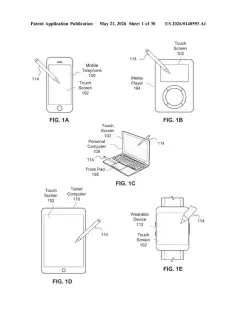
Apple Patents an Optical Sensing System That Tracks Stylus Tilt, Hover, and Rotation via Light
Apple is exploring a way to track a stylus using light rather than traditional capacitive touch — and the system can detect not just where the pen is, but how it's tilted, how far it's hovering, and even how it's rotated.
-
Sony · Published May 21
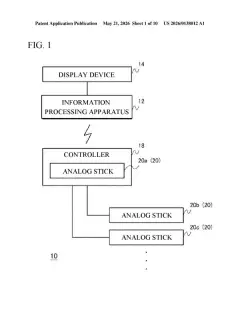
Sony Patents a Multi-Analog-Stick Input System That Picks a Lead Stick When All Are Idle
Sony is exploring controllers with more than two analog sticks — and this patent solves a surprisingly thorny problem: what should the game do when none of them are being touched?
-
Sony · Published May 21
Sony Patents a Controller That Logs You Into Your Console Using Your Phone
Sony is exploring a login system where your PlayStation controller detects that your phone is nearby and automatically handles the sign-in — no typing required.
-
Microsoft · Published May 21
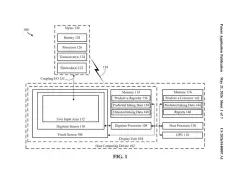
Microsoft Patents a Predictive Digital Ink System That Only Reports When It's Wrong
Your stylus is constantly shouting its position to your computer — even when nothing surprising is happening. Microsoft's new patent flips that model: only send a report when the prediction is wrong.
-
Google · Published May 7
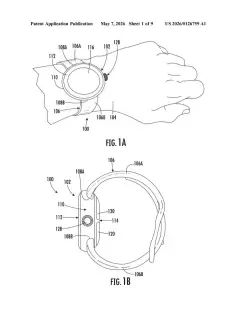
Google Patents a Speed-Sensitive Rotary Crown for Smartwatches
Spin the crown on Google's hypothetical smartwatch slowly, and it scrolls carefully. Spin it fast, and it leaps — because the software multiplies your input based on how quickly you're turning.
-
Google · Published Apr 30
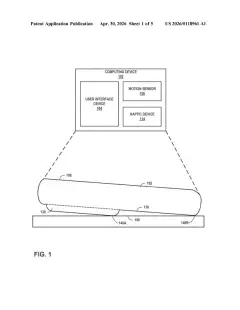
Google Patents a Haptic System That Sends a Test Buzz Before the Real One
Before your device vibrates to notify you, what if it quietly tested whether that vibration would even work properly — and then adjusted accordingly? That's exactly what Google is patenting.