
Samsung Patents a Wireless Charger That Adjusts Power Based on What's Nearby
Before Samsung's wireless charger sends power to your phone, it first runs a quick test to figure out what's sitting on the pad, and then decides how hard to push.
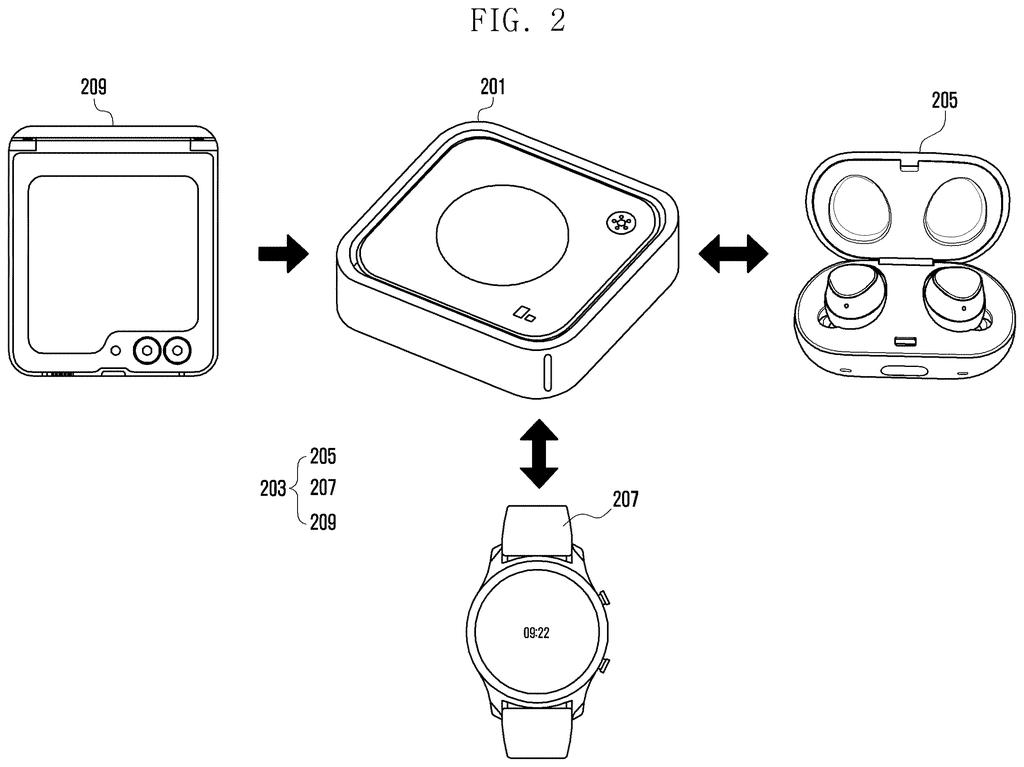
What Samsung's adaptive wireless charging actually does
Imagine putting your phone on a wireless charger, but a set of keys or a credit card is also sitting on the pad. Right now, many chargers just blast power regardless, which can cause heat or interference. Samsung's patent describes a smarter way to handle that.
The charger sends out a small probe signal first, think of it like a sonar ping, and listens to how the signal bounces back. The quality of that return signal (called a Q factor) tells the charger something important: is there a proper device ready to receive power, or is something else in the way?
If the reading looks low, the charger plays it safe and uses a lower power range. If the reading looks healthy, it ramps up to a higher power range to charge your device faster. The whole process happens automatically before any real charging begins.
How the Q-factor test controls charging voltage
The patent describes a power transmission circuit paired with a processor that runs a detection routine before committing to a charging level. The key tool is a Q ping, a brief test signal the charger broadcasts to measure the resonance quality of whatever is sitting on its surface.
The Q factor (short for quality factor) is a physics measurement of how efficiently energy oscillates in a circuit. A high Q factor means the receiver coil is well-aligned and ready to accept power efficiently. A low Q factor can indicate a foreign object, a misaligned device, or a receiver that isn't quite ready.
Based on what the Q measurement returns, the charger routes into one of two modes:
- First voltage range (lower power): used when the Q factor is at or below a set threshold, suggesting conditions aren't ideal.
- Second voltage range (higher power): used when the Q factor clears the threshold, indicating a proper, well-positioned receiver.
The decision logic runs entirely on the charger's processor, with no input needed from the user. The patent is device-agnostic, meaning it could apply to phone pads, earbuds cases, or any other wireless charging surface Samsung makes.
What this means for safer, faster wireless charging
Wireless charging has long carried a reputation for being slower and less reliable than plugging in, partly because chargers often can't tell the difference between a phone and a wallet sitting on the pad. By using the Q factor as an active sensor, Samsung's approach could reduce wasted energy, lower heat generation, and avoid sending high power toward objects that aren't meant to receive it.
For you as a user, the practical upside is a charger that could be both safer when something goes wrong and faster when everything is lined up correctly. It also points toward Samsung building more intelligence into its charging hardware directly, rather than relying on the phone to manage everything.
This is solid, incremental charging engineering rather than anything dramatic. The Q-factor sensing idea isn't new to wireless charging standards, but patenting a specific decision tree for voltage selection suggests Samsung is working to differentiate its charger hardware with finer-grained control. Worth tracking if you follow Galaxy accessories or charging pad development.
There are more where this came from
We read every patent application Big Tech publishes and send you the ones worth knowing. Plain English, free, every week.
The drawings
8 drawing sheets from US 2026/0213585 A1 · click any drawing to enlarge


Want this weekly breakdown for a company we don't cover? Patentlyze Pro →