
Apple Patents an Energy Guidance System for Climate Control Accessories
Apple is patenting a way for a user device — think iPhone or HomePod — to act as a middleman between your power source and your climate control system, telling your HVAC what it can and can't do based on where the energy is coming from.
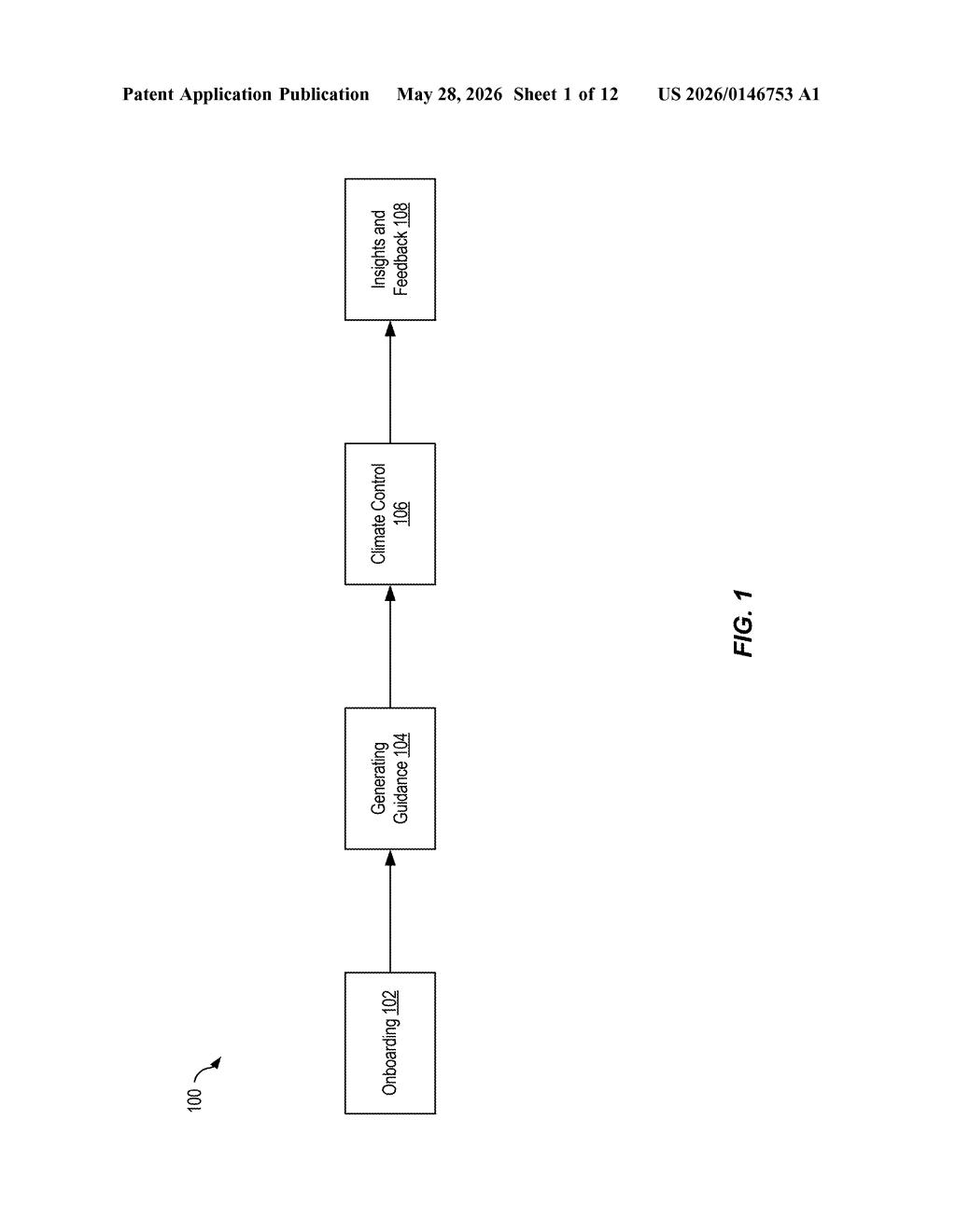
What Apple's energy guidance signal actually does
Imagine your home is running on solar power and the sun ducks behind clouds at 2pm. Your air conditioner doesn't know that — it just keeps cranking. Apple's patent describes a system that would know, and would tell your climate control setup to back off.
The idea is that a user device runs an 'energy guidance application' that watches your electrical energy source — whether that's a solar panel, a battery pack, or the grid — and checks its characteristics (how much juice is available, what type of power it is, etc.). Based on that, it generates a guidance signal and sends it to your climate control system.
Your HVAC's accessories — think fans, compressors, dampers — then use that signal to adjust how they operate. The result is climate control that's aware of your energy situation, not just your thermostat setting.
How the app reads power source traits and signals HVAC
At its core, this patent describes a three-step feedback loop running on a user device:
- Request intake: The energy guidance app receives a request for a guidance signal tied to a specific electrical energy source — say, a rooftop solar array or a home battery like a Tesla Powerwall.
- Characteristic reading: The app ingests one or more characteristics of that source. These likely include things like current output capacity, energy type (renewable vs. grid), charge state, or time-of-use pricing signals.
- Signal generation and dispatch: Based on those inputs, the app generates an energy guidance signal and pushes it to the climate control system, which uses it to modulate the behavior of connected accessories.
The patent's language is deliberately broad — 'accessories of the climate control system' could cover anything from compressor stages to smart vents to auxiliary heating elements. The user device acting as orchestrator is the key architectural choice here: it puts Apple hardware (presumably an iPhone or a home hub) at the center of home energy decisions rather than the HVAC controller itself.
This positions the system as an abstraction layer between energy sources and climate hardware, which means it could theoretically work across different HVAC brands as long as they accept the guidance signal.
What this means for solar homes and iPhone energy apps
If you have solar panels, a home battery, or live somewhere with time-of-use electricity pricing, you've probably wished your thermostat was a little more situationally aware. This patent suggests Apple is thinking about exactly that problem — and wants its devices to be the brains of that operation.
The broader play here is Apple positioning itself deeper into the home energy management space, which sits adjacent to HomeKit and the Home app. A patent like this could feed into future Home app features, or a more capable HomePod hub that coordinates appliances based on real-time energy data. It's not a flashy consumer feature — but it's the kind of infrastructure layer that makes the rest of a smart home ecosystem more useful.
This is quiet infrastructure work, not a headline product feature — but it's the kind of patent that matters if Apple is serious about making the Home app a real energy management platform rather than just a light-switch controller. The abstraction of energy source characteristics into a guidance signal is a clean design choice that could make this genuinely interoperable. Worth watching, not worth celebrating yet.
There are more where this came from
We read every patent application Big Tech publishes and send you the ones worth knowing. Plain English, free, every week.
Want this weekly breakdown for a company we don't cover? Patentlyze Pro →