
Samsung Patents a Way to Charge One Device From Two Power Sources Simultaneously
What if your phone or laptop could pull power from two chargers at once and automatically split the load between them? That's exactly what Samsung is working on.
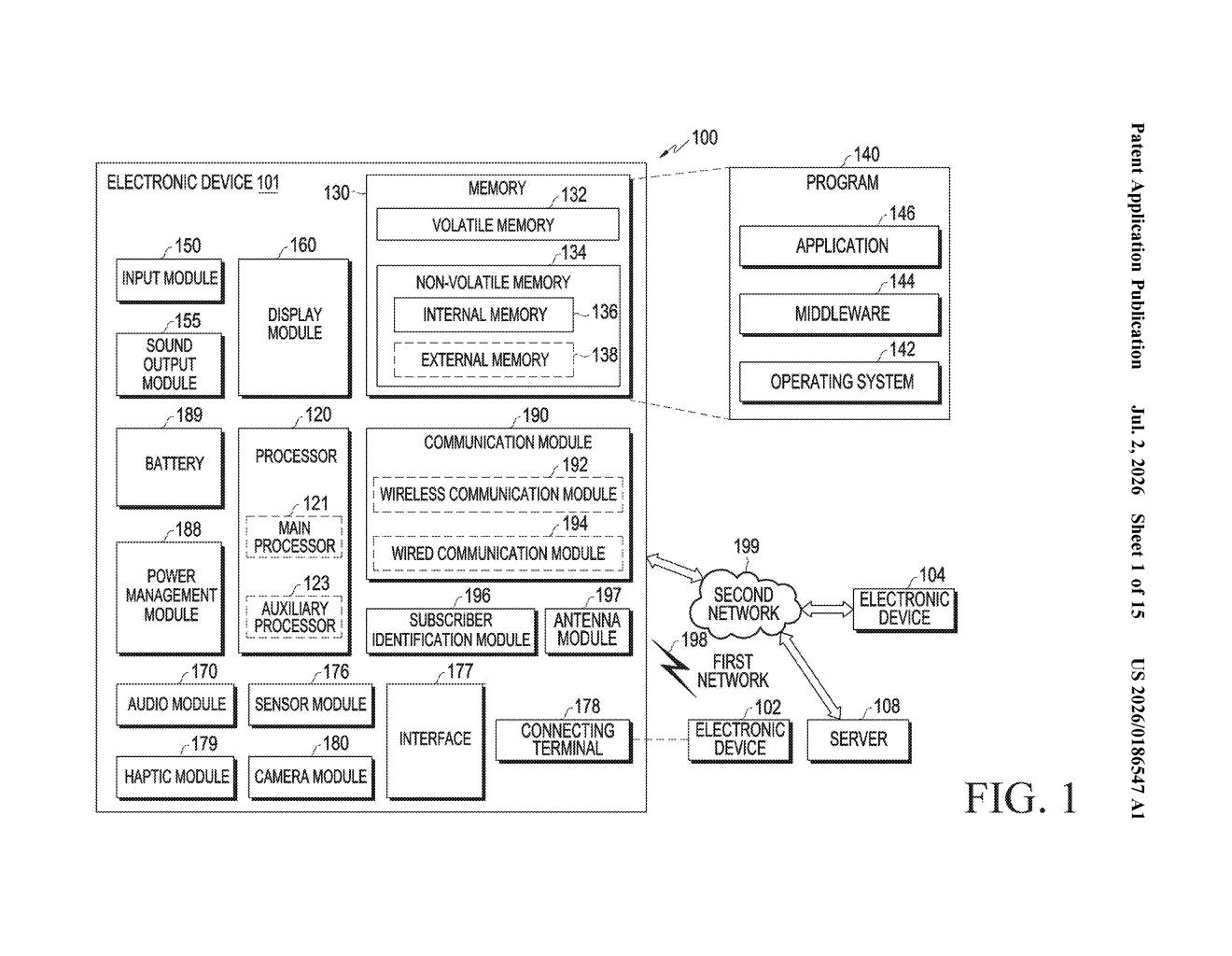
How Samsung's dual-charger balancing actually works
Imagine your laptop battery is almost dead and you only have a slow 30-watt charger plugged in. Now imagine you find a second charger and plug that in too, and your device instantly figures out how much each one can safely deliver, then draws from both at the same time. That's the idea behind this Samsung patent.
The device checks the capabilities of each power adapter when it connects, then sets a ratio for how much power to pull from each one. If the first charger is stronger, it contributes more. If both are equal, the load is split evenly. The device adjusts the voltage coming from each adapter to hit that target ratio.
This kind of charging coordination is something most devices simply can't do today. Plugging in a second charger mid-session usually does nothing, or at best just switches to whichever source is stronger. Samsung's approach would make both chargers work together the whole time.
How the control circuit splits power between two adapters
The patent describes an electronic device with two separate connectors, each capable of accepting an external power adapter. A charging circuit sits between those connectors and the battery, routing power inward.
When a first adapter is plugged in, the device's control circuit reads that adapter's power profile (things like its maximum wattage and voltage range) and negotiates a steady charging voltage. So far, this is standard fast-charging behavior.
The interesting part kicks in when a second adapter is connected while the first is already running. The control circuit reads the second adapter's profile and then makes a decision: based on both profiles, it calculates a power ratio, essentially a recipe for how much each adapter should contribute. It then adjusts the output voltage of one or both adapters to make the actual power draw match that ratio.
- If adapter one supports 65W and adapter two supports 30W, the device could pull roughly 2:1 from them.
- If both are equal, a 50/50 split is possible.
- The ratio is determined dynamically, not hardcoded, so it adapts to whatever adapters you happen to have.
What dual-source charging could mean for Samsung devices
For everyday users, this could mean faster charging in situations where one charger alone isn't enough. A tablet or laptop draining faster than a single adapter can replenish it could stay alive by recruiting a second power source, even a weaker one, to close the gap.
For Samsung specifically, this fits neatly into its Galaxy ecosystem of laptops, tablets, and foldables, all of which support USB-C on multiple ports. A device that can intelligently use both ports for charging simultaneously would be a meaningful real-world advantage, particularly for power users who carry multiple adapters or rely on public charging stations that cap wattage per port.
This is a genuinely practical idea that addresses a real frustration. Most people have accidentally plugged a second charger into a device and seen nothing happen. If Samsung ships this in Galaxy laptops or foldables, it would be a concrete, testable improvement rather than a spec-sheet number. The main question is whether the charging hardware complexity this requires will make it into mainstream devices or stay in the premium tier.
Get our take in your Top Stories
Liked this breakdown? Add Patentlyze as a preferred source on Google, and our plain-English take shows up more often in your Top Stories the next time Samsung patent news breaks.
There are more where this came from
We read every patent application Big Tech publishes and send you the ones worth knowing. Plain English, free, every week.
Want this weekly breakdown for a company we don't cover? Patentlyze Pro →