
IBM Patents an AI System That Decides Which Software Tests Are Worth Running
Every time a developer changes a line of code, a mountain of automated tests has to run before anything ships. IBM is patenting a way to let AI decide which tests you can safely skip.
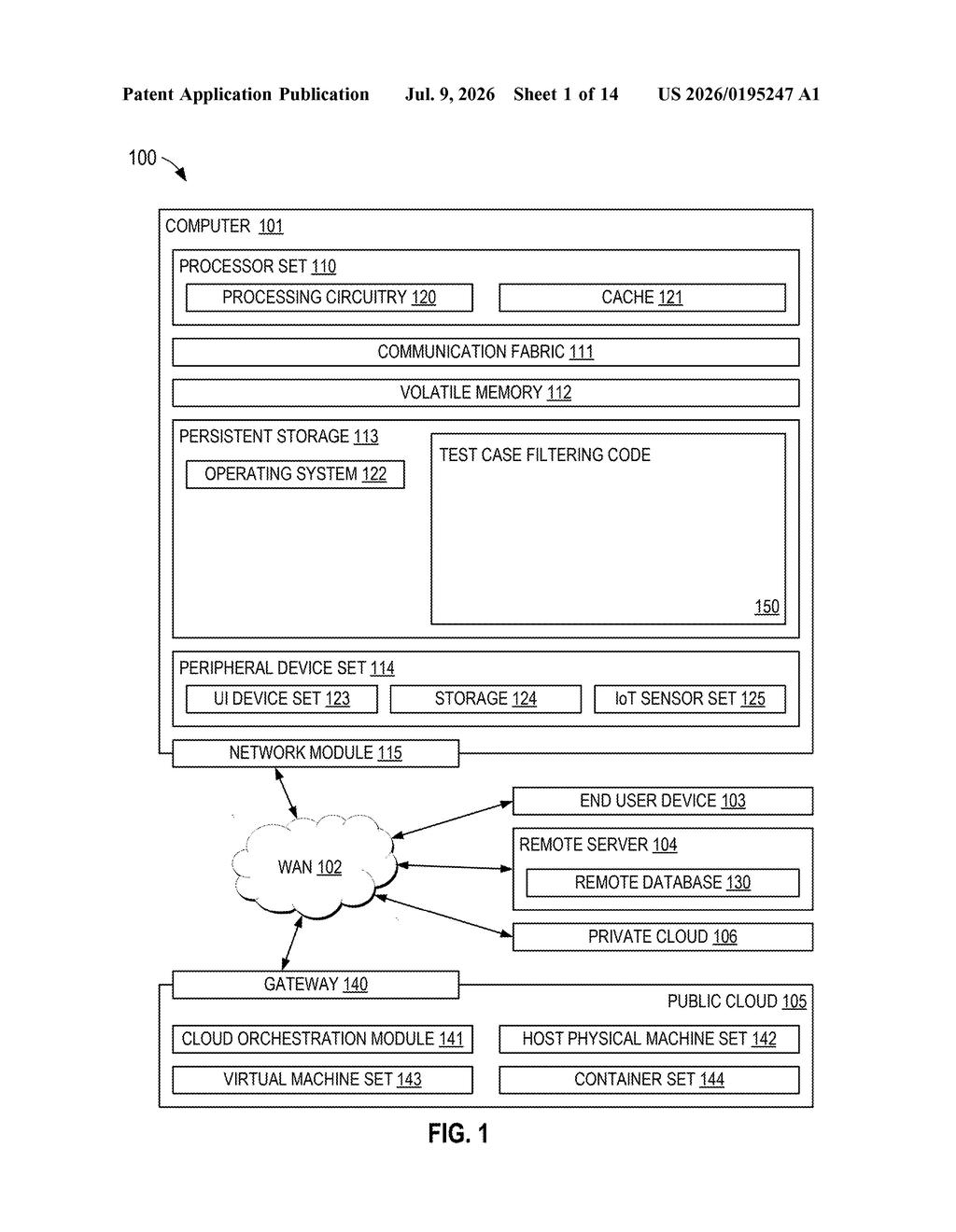
How IBM's AI picks which tests to skip
Imagine a quality-control checklist with thousands of items. Before shipping a product, someone has to check every box, even the ones that almost never catch a problem. For software teams, that's exactly what automated testing looks like: hundreds or thousands of individual checks, all queued up and waiting to run, every single time a developer saves their work.
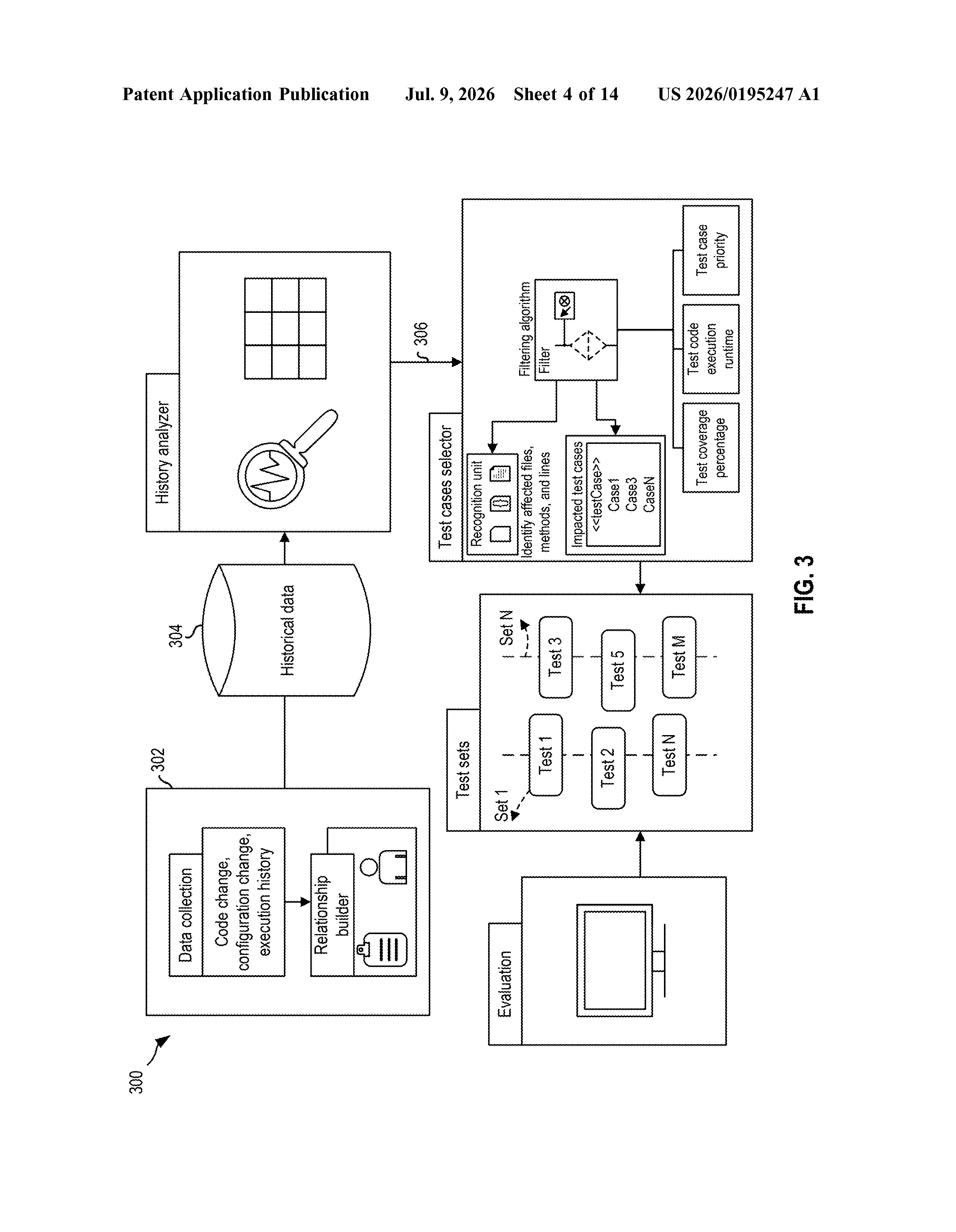
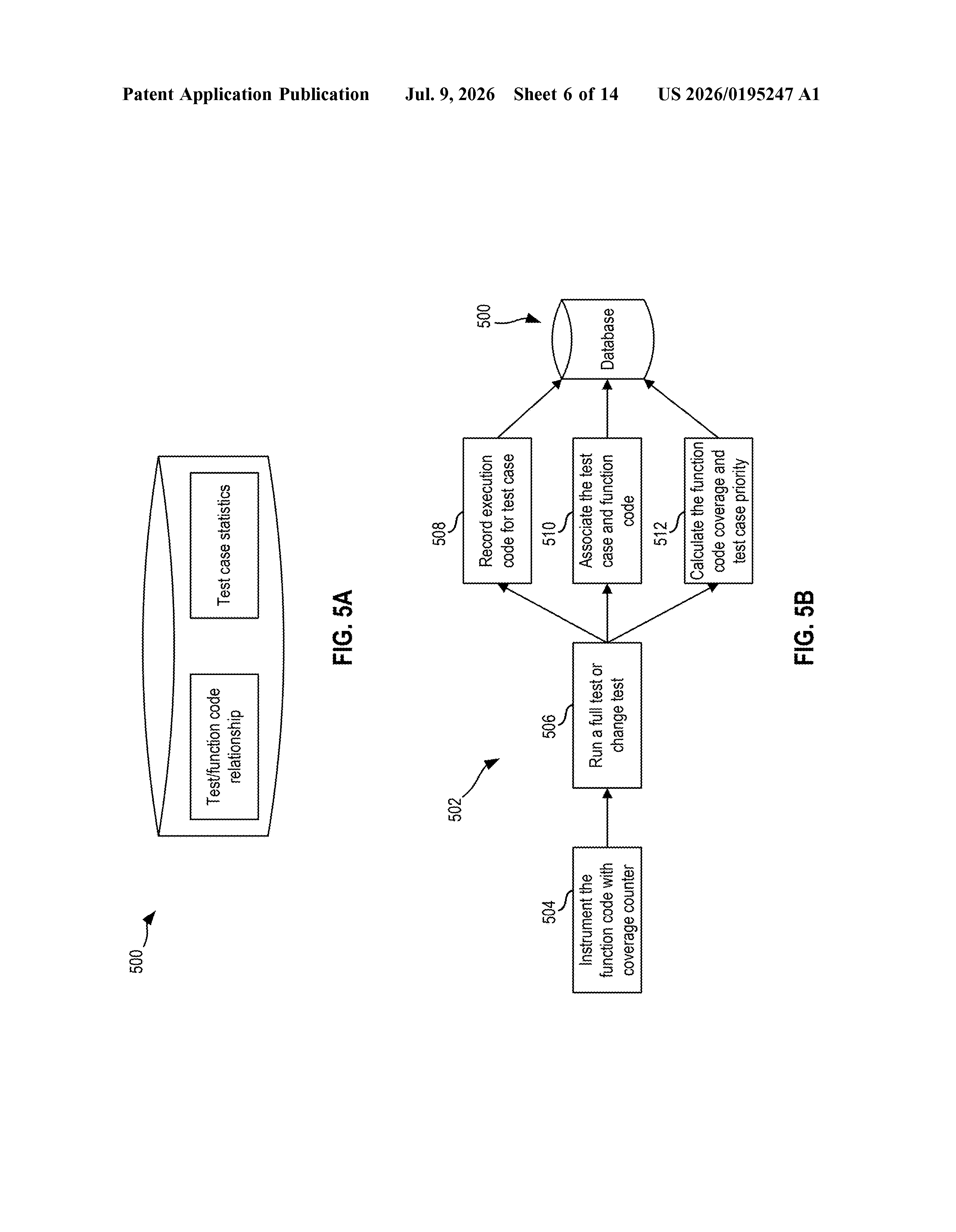
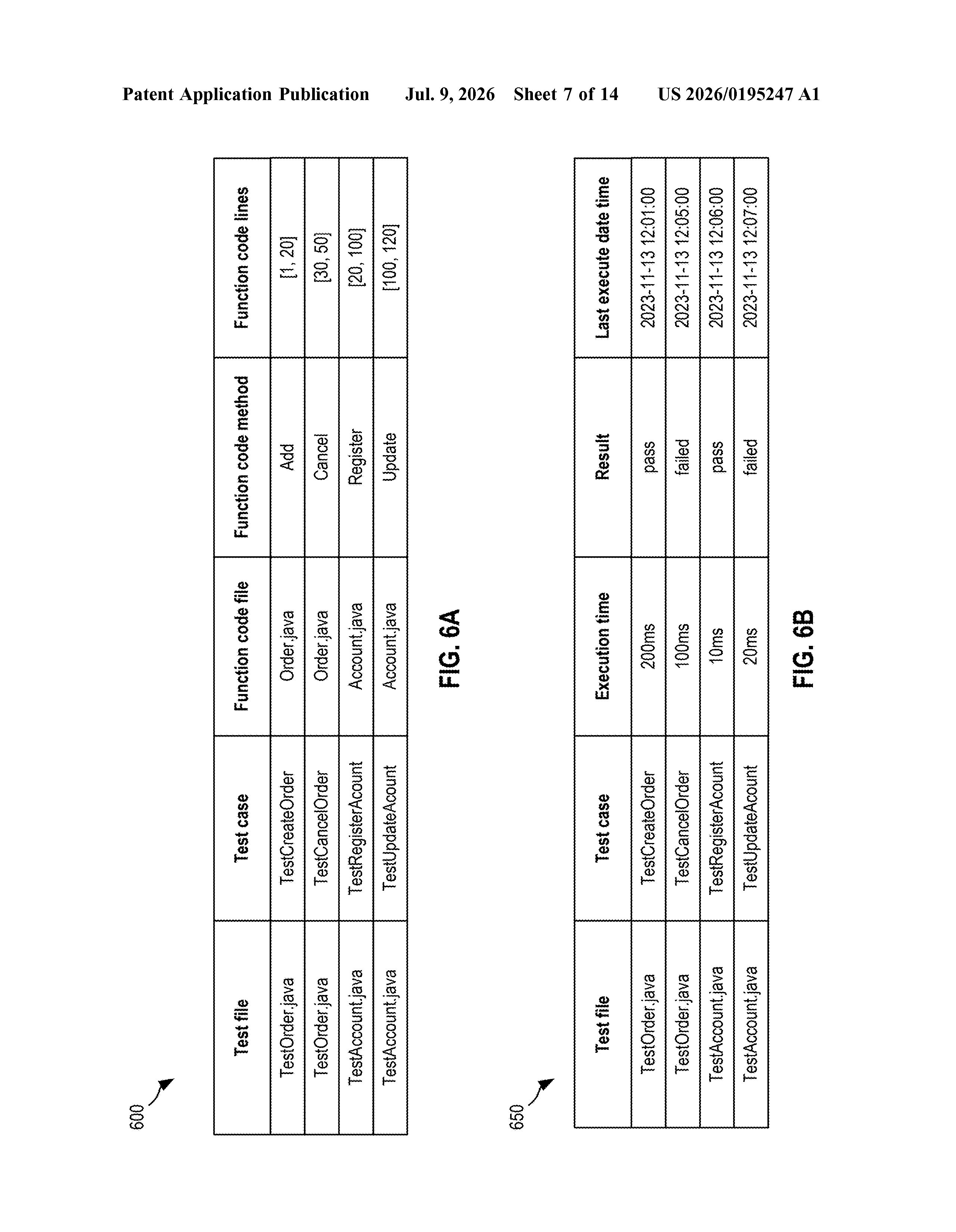
IBM's patent describes a system where an AI model studies the history of those tests, looking at which ones have flagged real problems in the past, how long each test takes to run, and how much of the code each test actually touches. From that analysis, a second AI model then filters the list down to only the tests most likely to catch something.
The goal is a shorter, faster test run that still catches the bugs that matter. Instead of waiting an hour for every check to finish, a development team could get results in minutes, because the AI has already decided which tests are pulling their weight.
How the two AI models split the filtering work
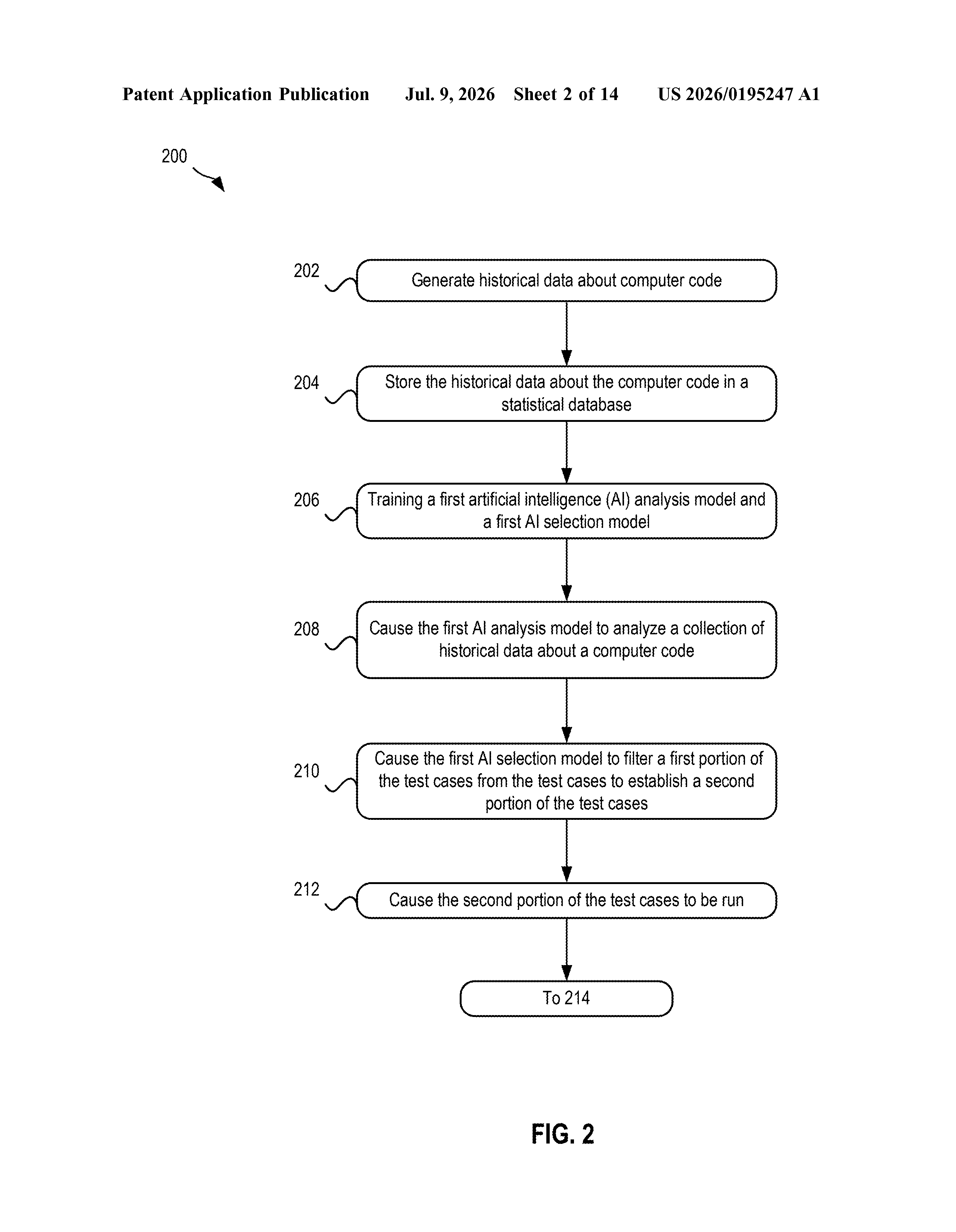
The patent describes a two-stage AI pipeline applied to a software project's existing test library.
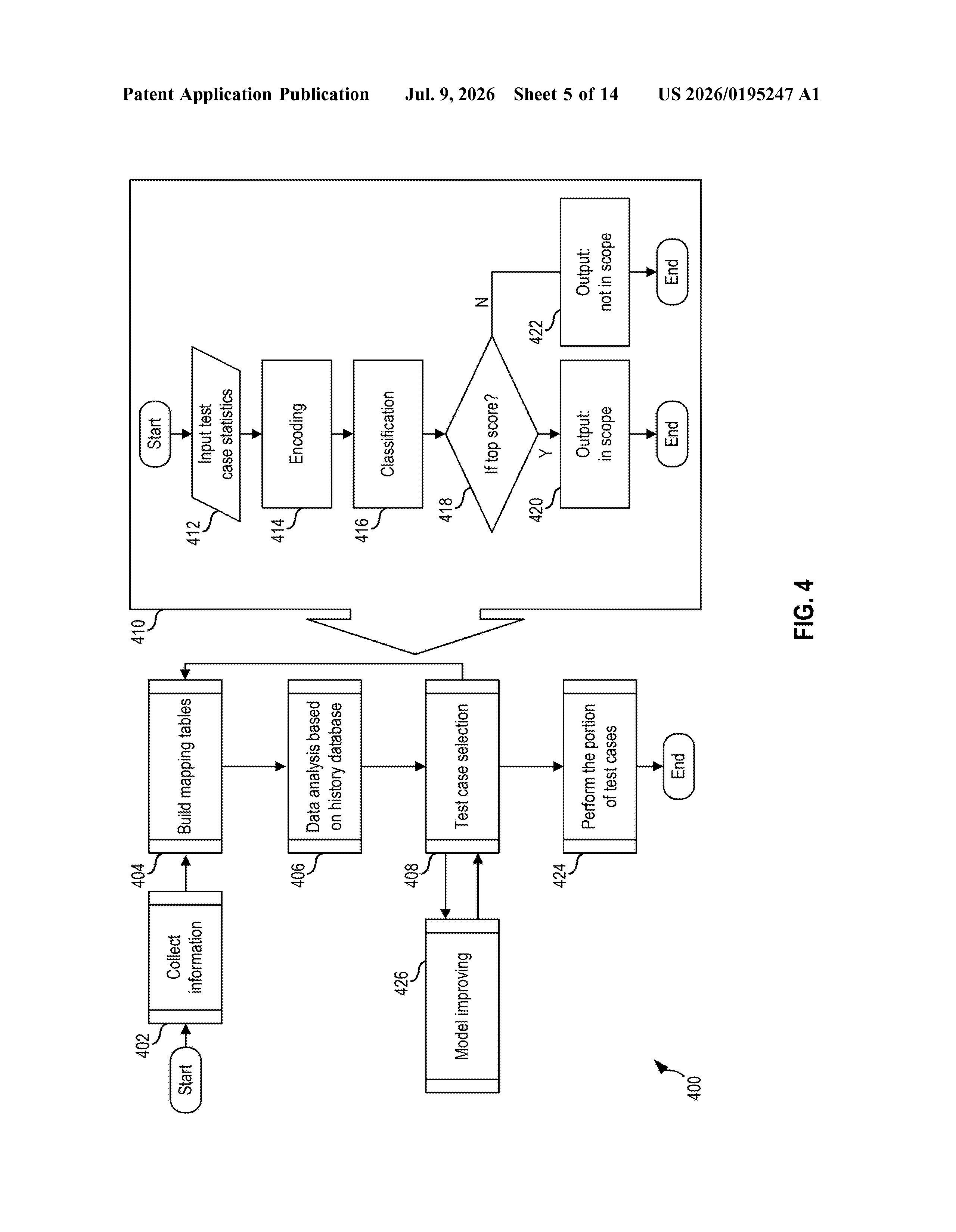
The first stage uses what IBM calls an AI analysis model: it combs through historical data about the codebase, which could include past test results, code change logs, and bug reports, and uses that history to assign a priority score to each test case. Tests that have caught real defects recently, or that cover code touched by recent changes, rank higher.
The second stage uses an AI selection model that takes those priority scores and combines them with two other signals:
- Execution time, how long each test takes to run
- Coverage, how much of the codebase a given test actually exercises
Using all three signals together, this model filters out a subset of tests, leaving only the ones considered worth running at that moment.
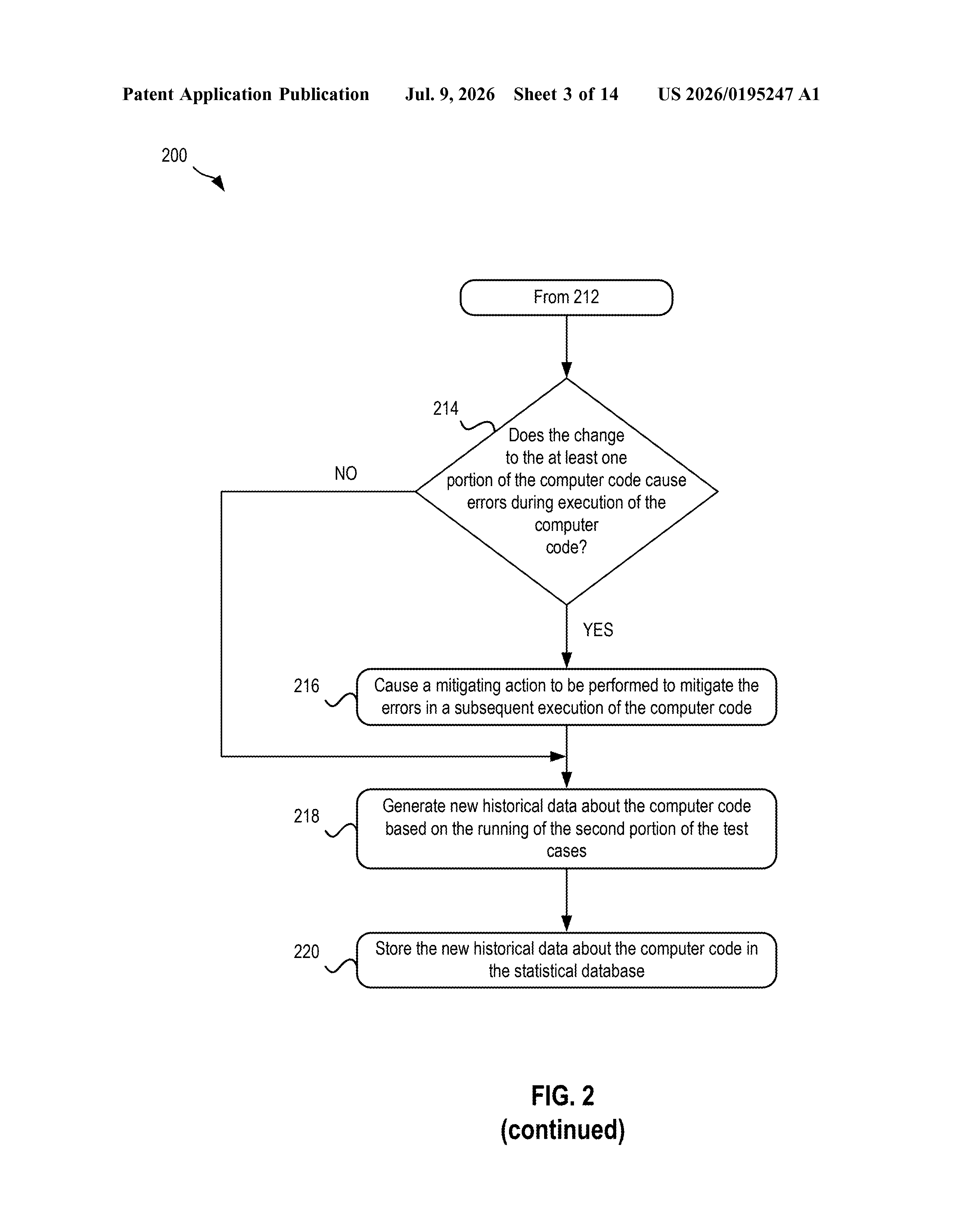
The remaining tests are then executed. The architecture is modular: the analysis and selection steps are handled by separate models, which means each could be tuned or replaced independently as the codebase or testing strategy evolves.
What this means for software development pipelines
Long test cycles are one of the most common bottlenecks in modern software development. When a test suite takes an hour to run, developers either wait (losing time) or skip tests (gaining risk). An AI layer that intelligently trims the queue without blindly cutting corners addresses a real, daily frustration for engineering teams at companies of any size.
For IBM, this fits a broader strategy of selling AI-assisted development tools to enterprise customers. The practical value is clear: faster feedback loops mean fewer context switches for developers and quicker releases. Whether IBM pursues this as a standalone tool or folds it into its existing software-testing portfolio remains to be seen.
This is a practical, unglamorous patent aimed squarely at an enterprise pain point that costs real money in developer hours every day. The two-model architecture is sensible rather than inventive, and similar ideas are circulating across the industry. IBM's version is worth watching mainly because enterprise customers already trust IBM with their testing infrastructure.
Get our take in your Top Stories
Liked this breakdown? Add Patentlyze as a preferred source on Google, and our plain-English take shows up more often in your Top Stories the next time IBM patent news breaks.
There are more where this came from
We read every patent application Big Tech publishes and send you the ones worth knowing. Plain English, free, every week.
The drawings
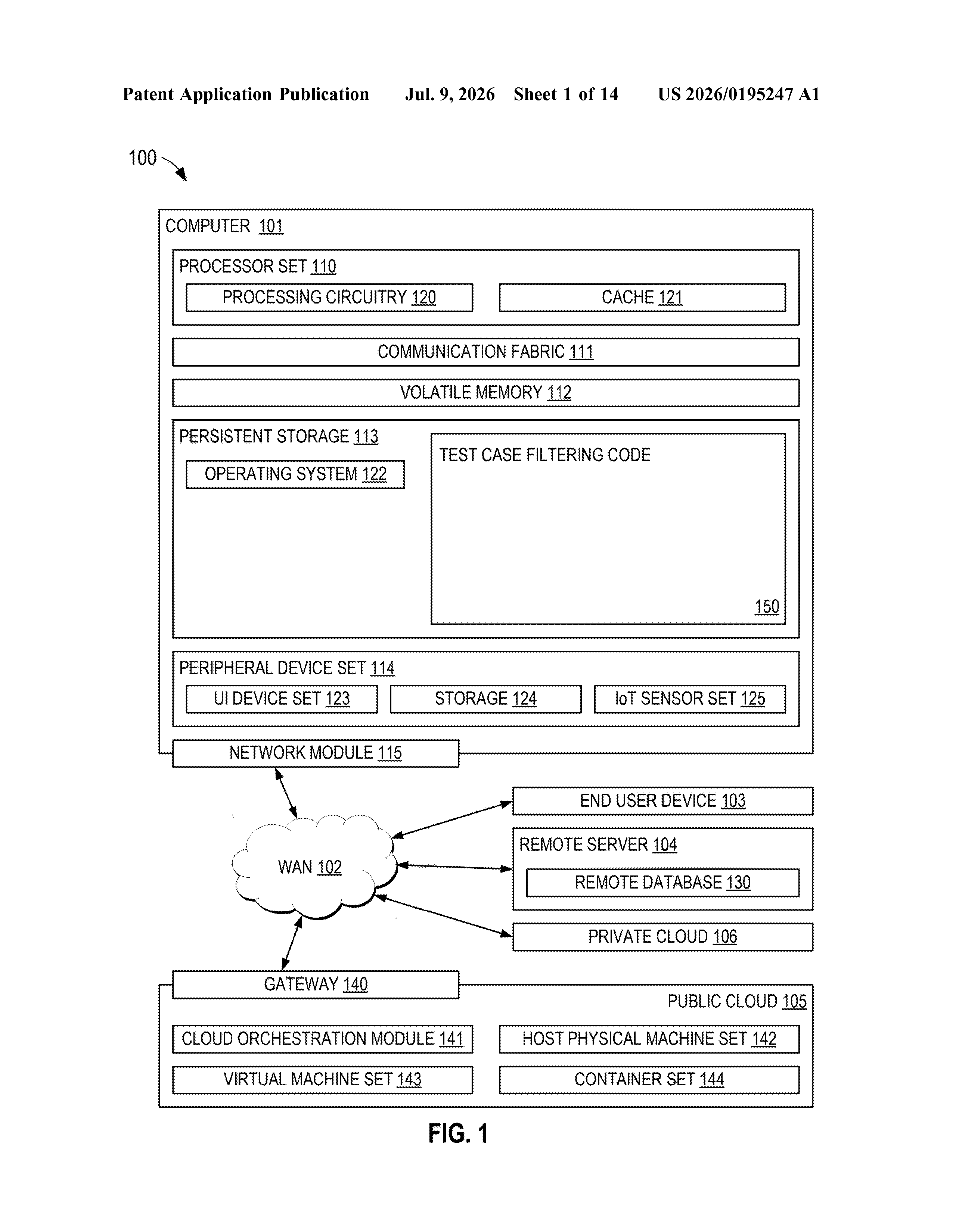
14 drawing sheets from US 2026/0195247 A1 · click any drawing to enlarge
Want this weekly breakdown for a company we don't cover? Patentlyze Pro →