
IBM Patents a System That Detects Manipulative Website Design and Routes Around It
Ever tried to cancel a subscription only to find the button buried under three confusing screens? IBM is patenting an AI that maps a website's structure, spots those traps, and hands you a direct link to where you actually want to go.
What IBM's dark-pattern bypass actually does for you
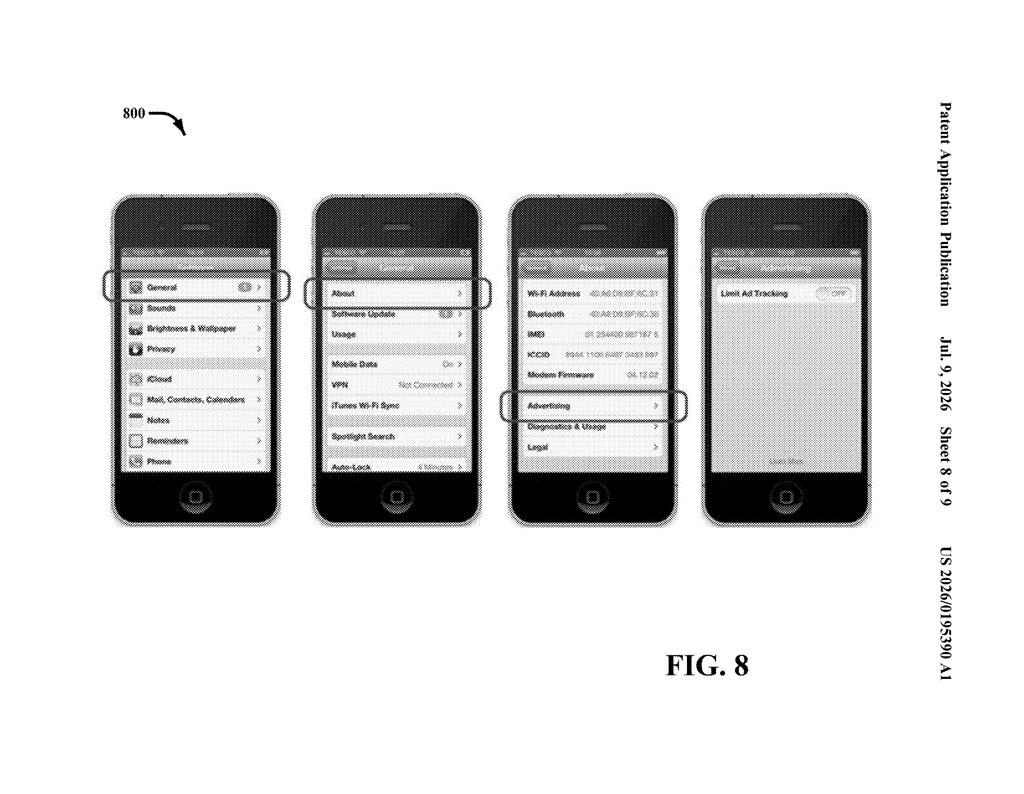
Imagine you want to delete your account on a streaming service. The website buries that option under misleading menus, greyed-out buttons, and fake-urgent pop-ups designed to make you give up. These tricks are called dark patterns, and they're everywhere.
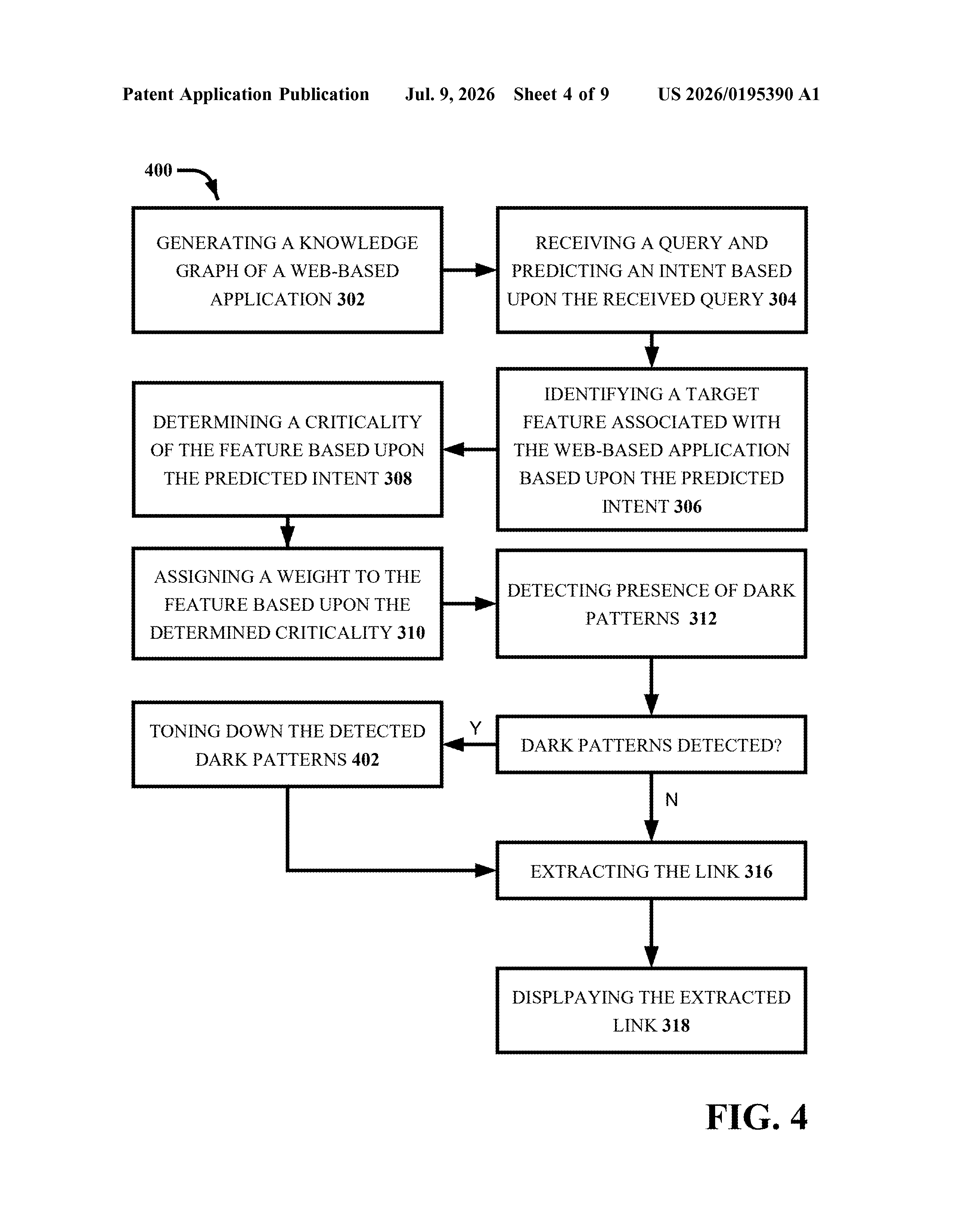
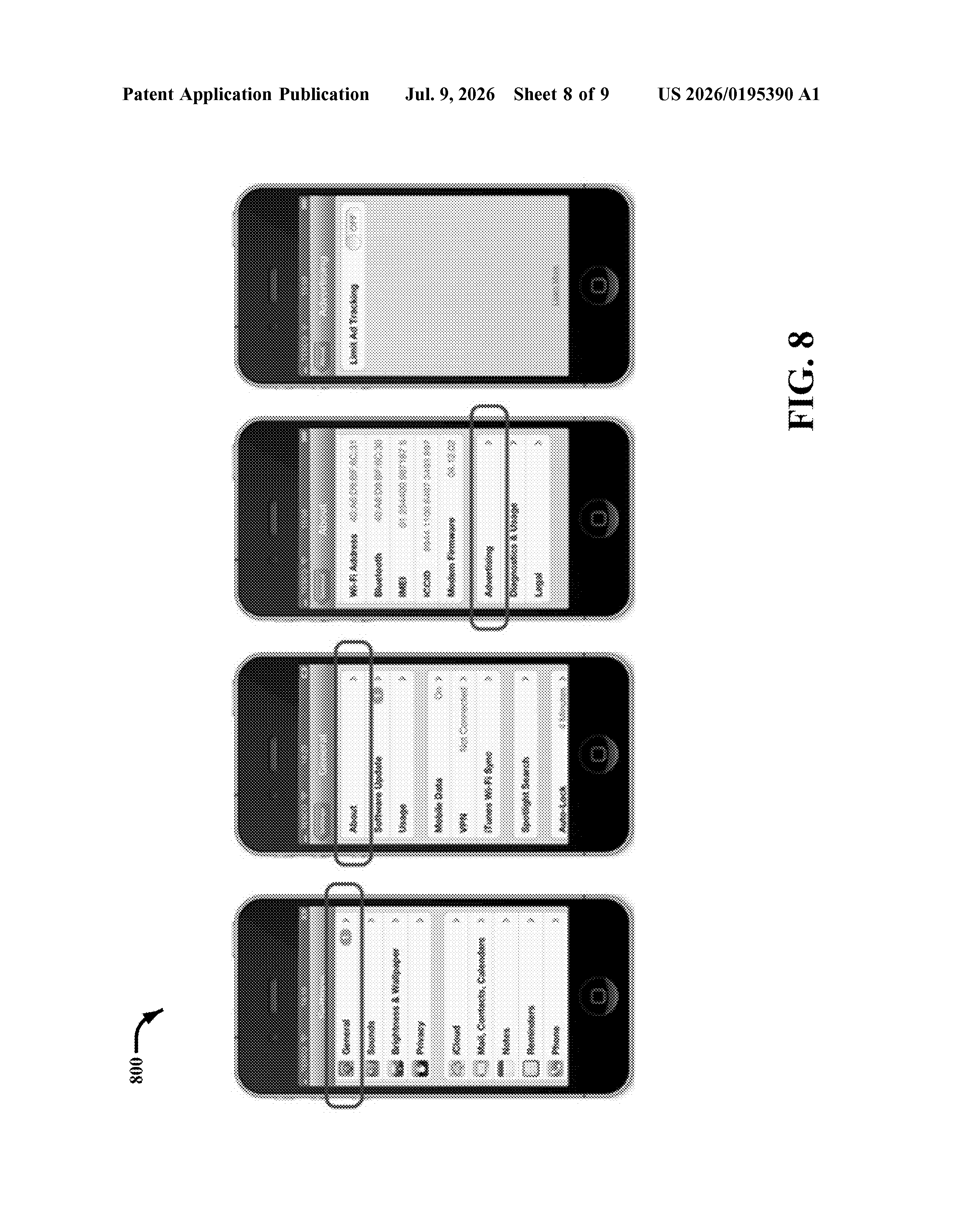
IBM's patent describes a system that sits between you and a website. You tell it what you want to do, in plain language. The system figures out your goal, checks whether the website is using deceptive design to block you, and then pulls out a direct link to the page or function you need, skipping the obstacles entirely.
Think of it like having a friend who already knows the site inside out and just texts you the exact URL. The system does that automatically, on the fly, for any web app it has analyzed.
How IBM's system maps a site and extracts the hidden link
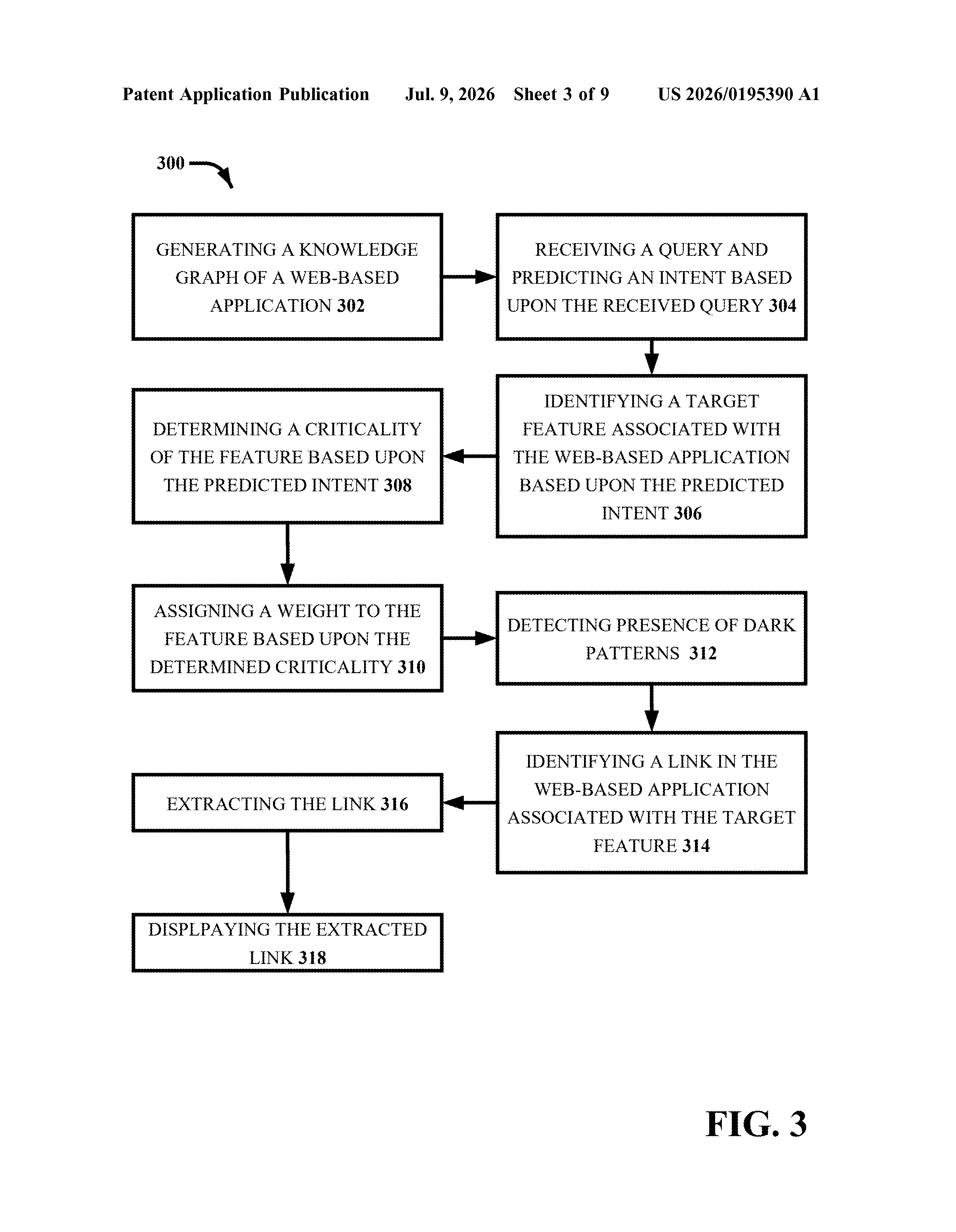
The patent describes a multi-part AI pipeline that works in four stages.
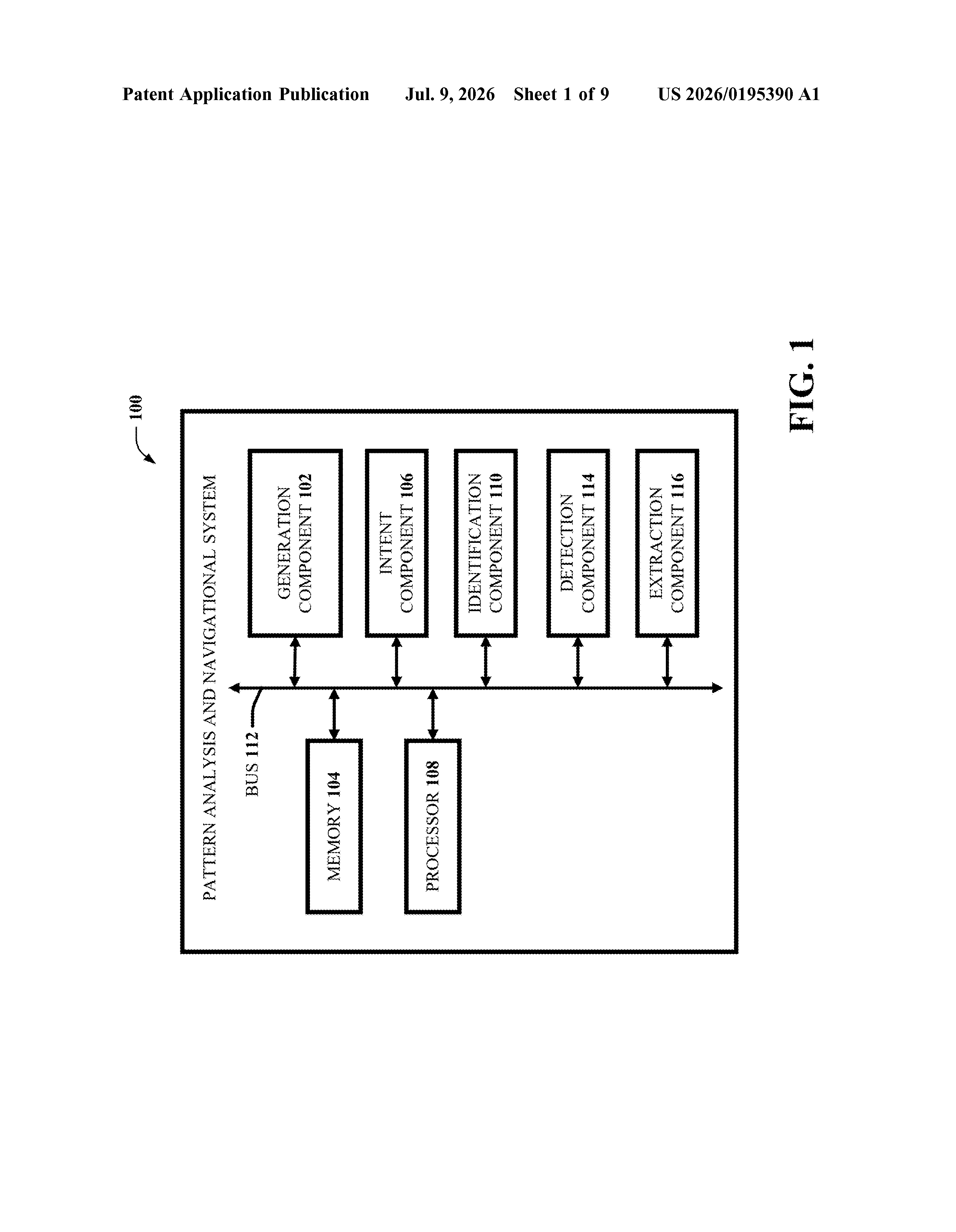
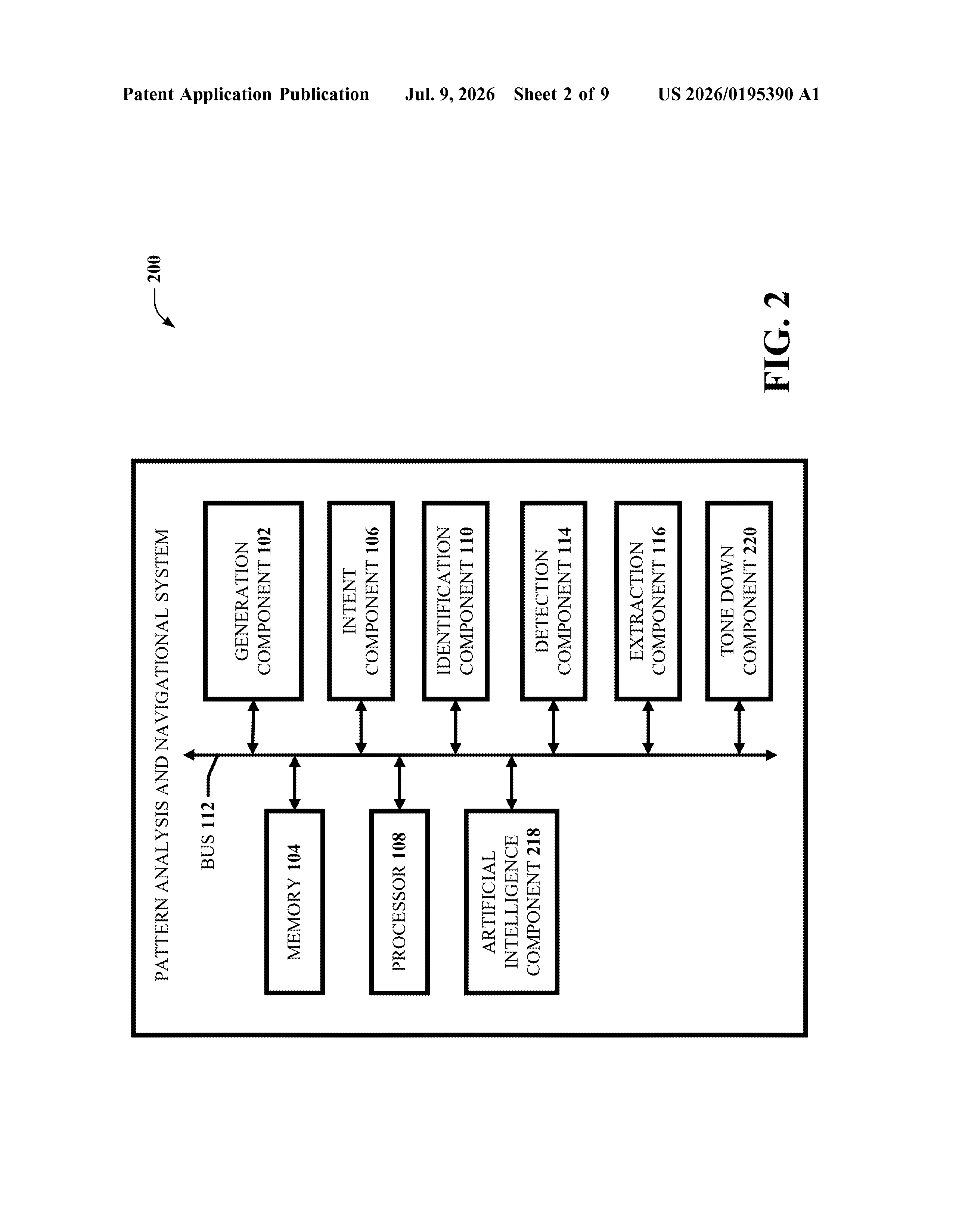
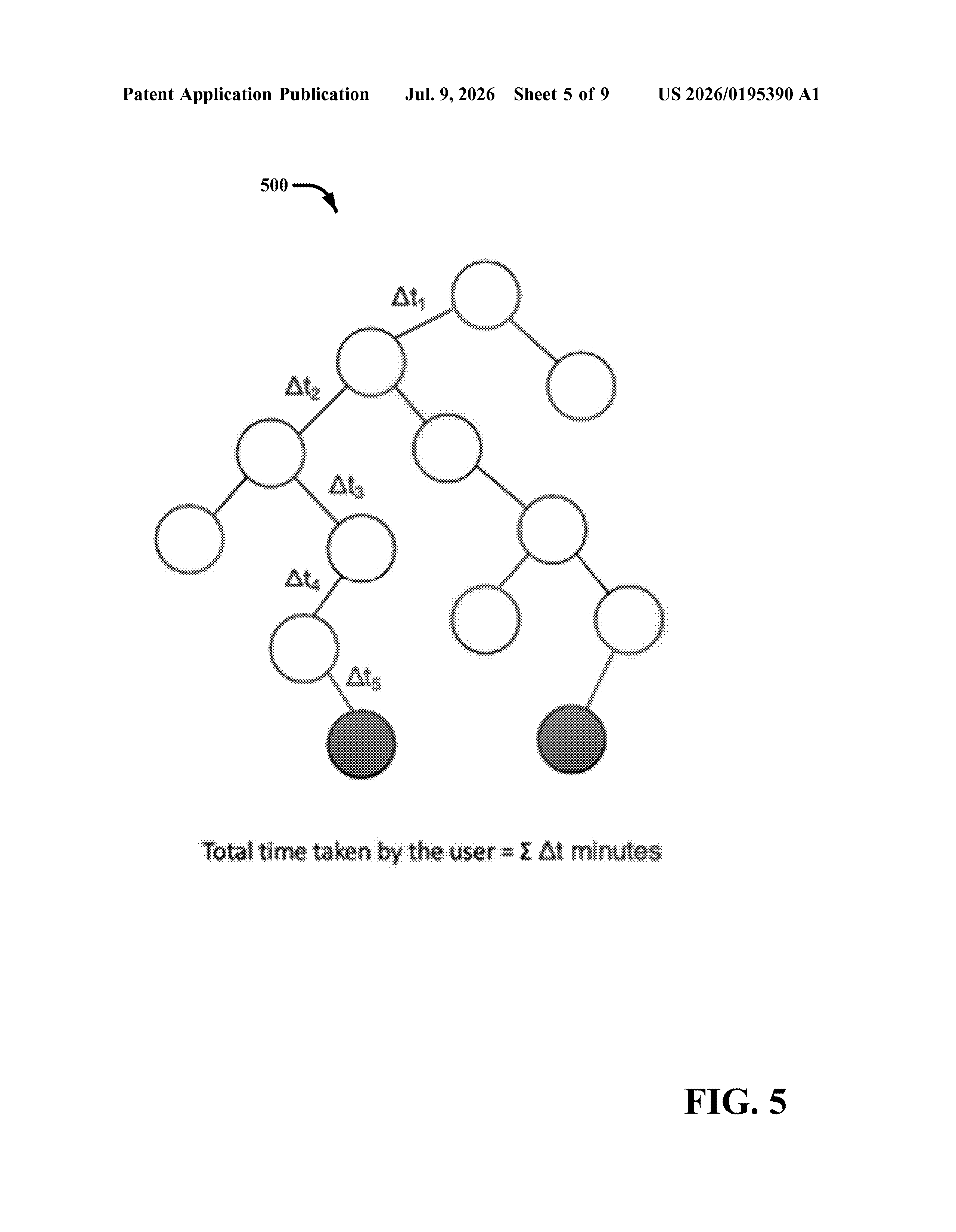
- Knowledge graph generation: The system first builds a map of a web application, recording every page, feature, and link and how they connect. A knowledge graph (think of it as a relationship diagram, not just a list of pages) lets the AI understand which functions belong together.
- Intent prediction: When you type a query, an intent component interprets what you actually want, not just the keywords you used. It assigns a target feature (the specific function on the site) and scores how important that feature is to your goal.
- Dark pattern detection: A separate detection component scans the site for manipulative design, things like hidden cancel buttons, roach-motel flows, or misleading confirmations.
- Link extraction: If dark patterns are found, the system looks up the direct URL for the feature you need inside its knowledge graph and surfaces that link to you, bypassing the deceptive flow entirely.
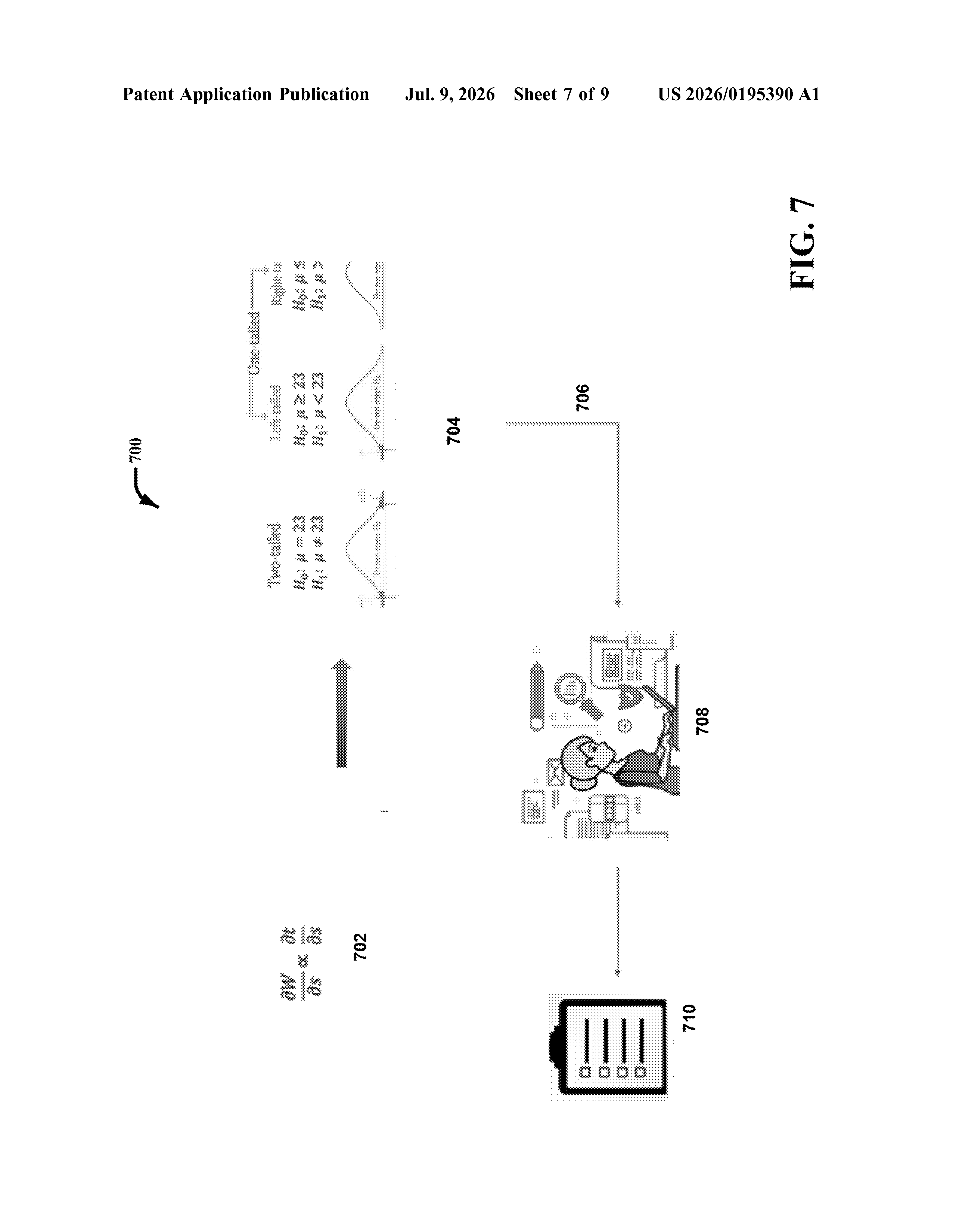
The weight assigned to each feature based on your intent helps the system prioritize which link matters most when a page has multiple possible destinations.
What this means for consumers trapped by deceptive UX
Dark patterns are a well-documented problem. Regulators in the EU and the US have started fining companies for them, but enforcement is slow and site-by-site. A tool that automatically detects and routes around these designs could give you a practical way to fight back without waiting for a regulator to act.
For IBM, this fits a broader push into AI-assisted enterprise tools. A system like this could be embedded in a browser extension, a corporate IT policy layer, or an accessibility product. Whether it reaches consumers or stays in the enterprise world, the underlying idea, that AI should help users navigate against a site's intent when that site is being deceptive, is a meaningful design statement.
This is one of those patents that feels genuinely useful in a way most software patents don't. Dark patterns are a real, measurable harm, and the approach here, map the site, detect the trick, hand the user a direct link, is elegant in its simplicity. The hard part will be keeping the knowledge graphs fresh as sites constantly redesign to stay one step ahead. But the concept is worth watching.
Get our take in your Top Stories
Liked this breakdown? Add Patentlyze as a preferred source on Google, and our plain-English take shows up more often in your Top Stories the next time IBM patent news breaks.
There are more where this came from
We read every patent application Big Tech publishes and send you the ones worth knowing. Plain English, free, every week.
The drawings
9 drawing sheets from US 2026/0195390 A1 · click any drawing to enlarge
Want this weekly breakdown for a company we don't cover? Patentlyze Pro →