
Samsung Files Patent for Centralized AI Control Across 5G Network Nodes
As mobile networks start running their own AI models to handle traffic and performance, someone needs to be in charge of all those models. Samsung's new patent is essentially a design for that manager.
How Samsung wants to manage AI inside a mobile network
Imagine a busy airport where dozens of air-traffic controllers work at different stations. If no one coordinates them, planes get routed into each other's paths. Mobile networks are facing a similar problem: they're increasingly stuffed with AI software that makes decisions about routing data, predicting congestion, and adjusting signal strength. Without coordination, those AI models can work at cross purposes.
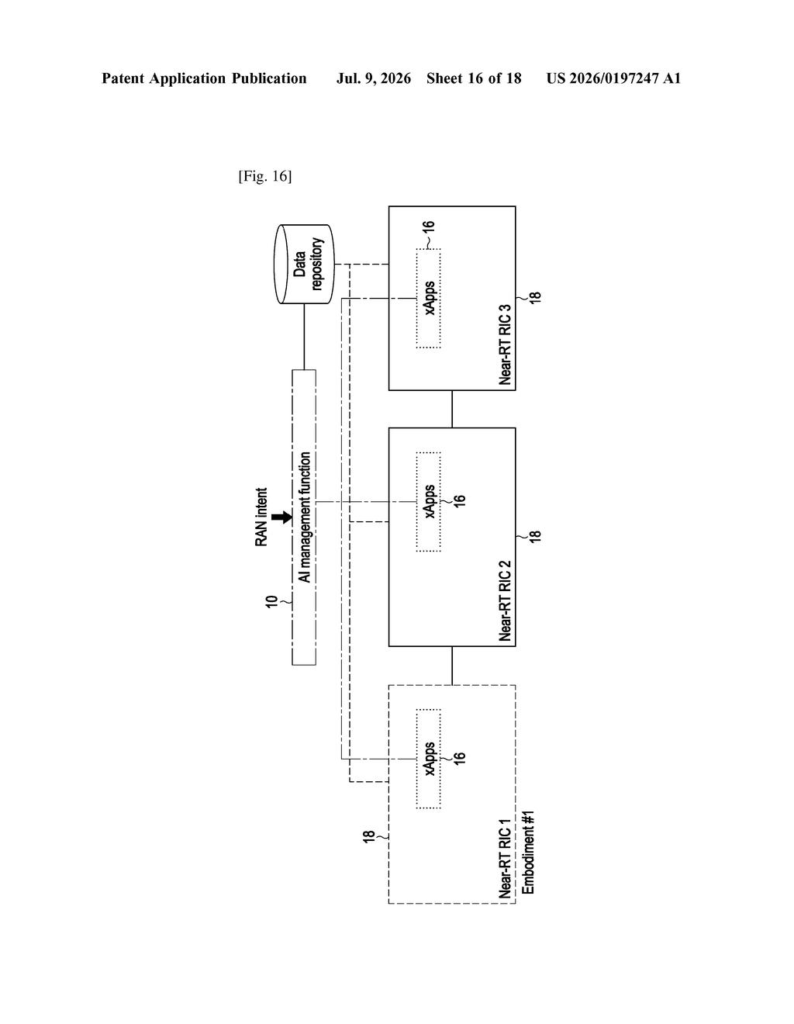
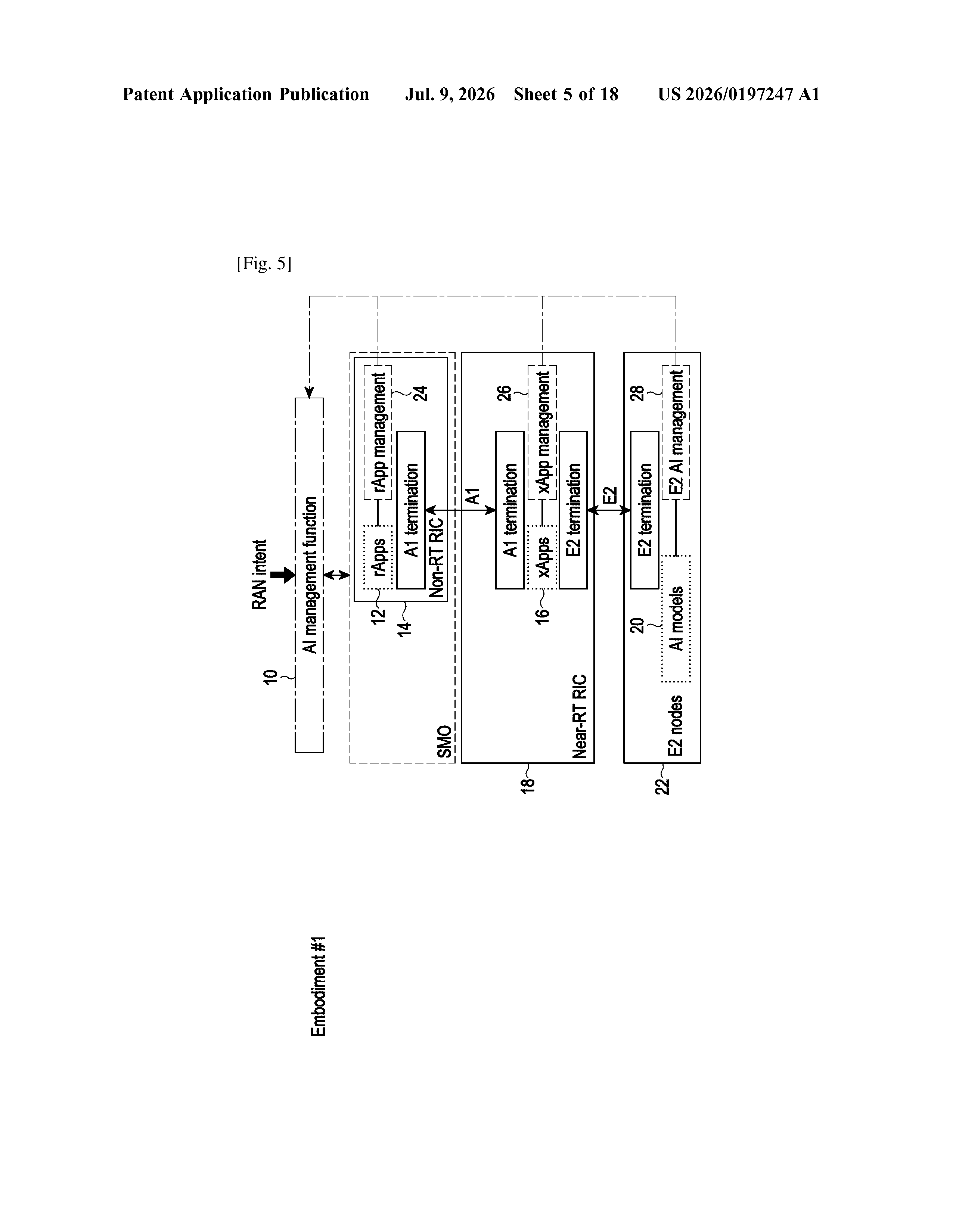
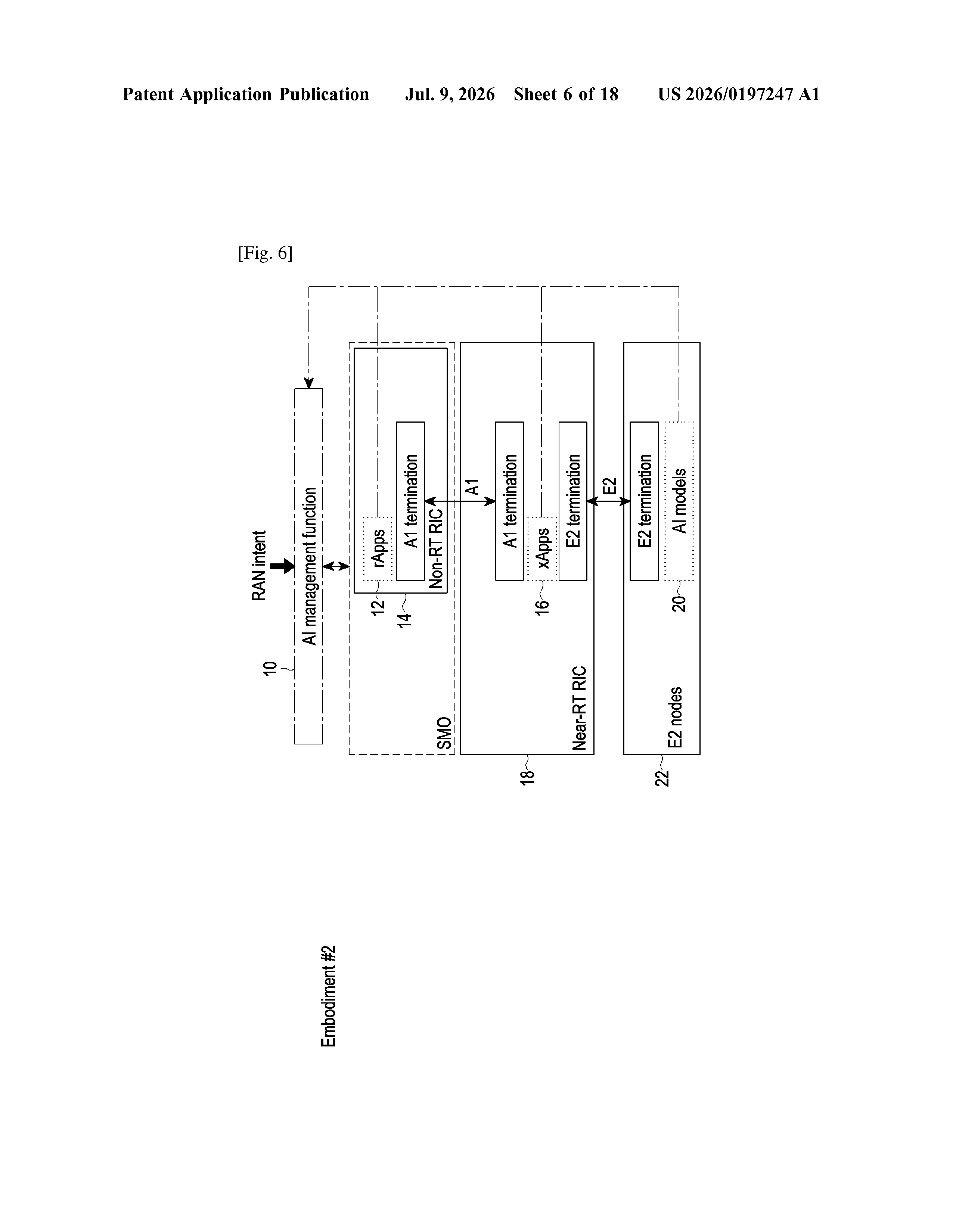
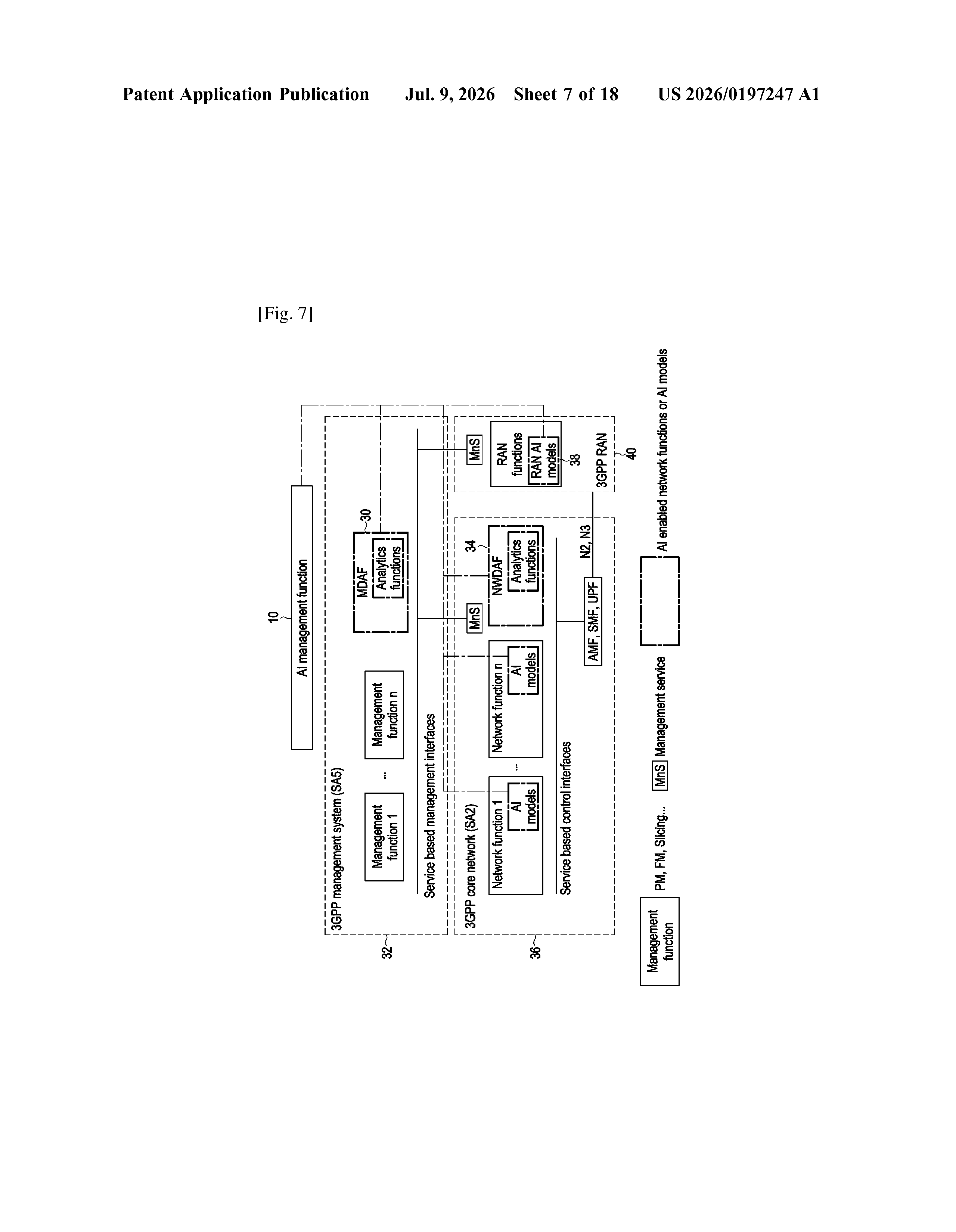
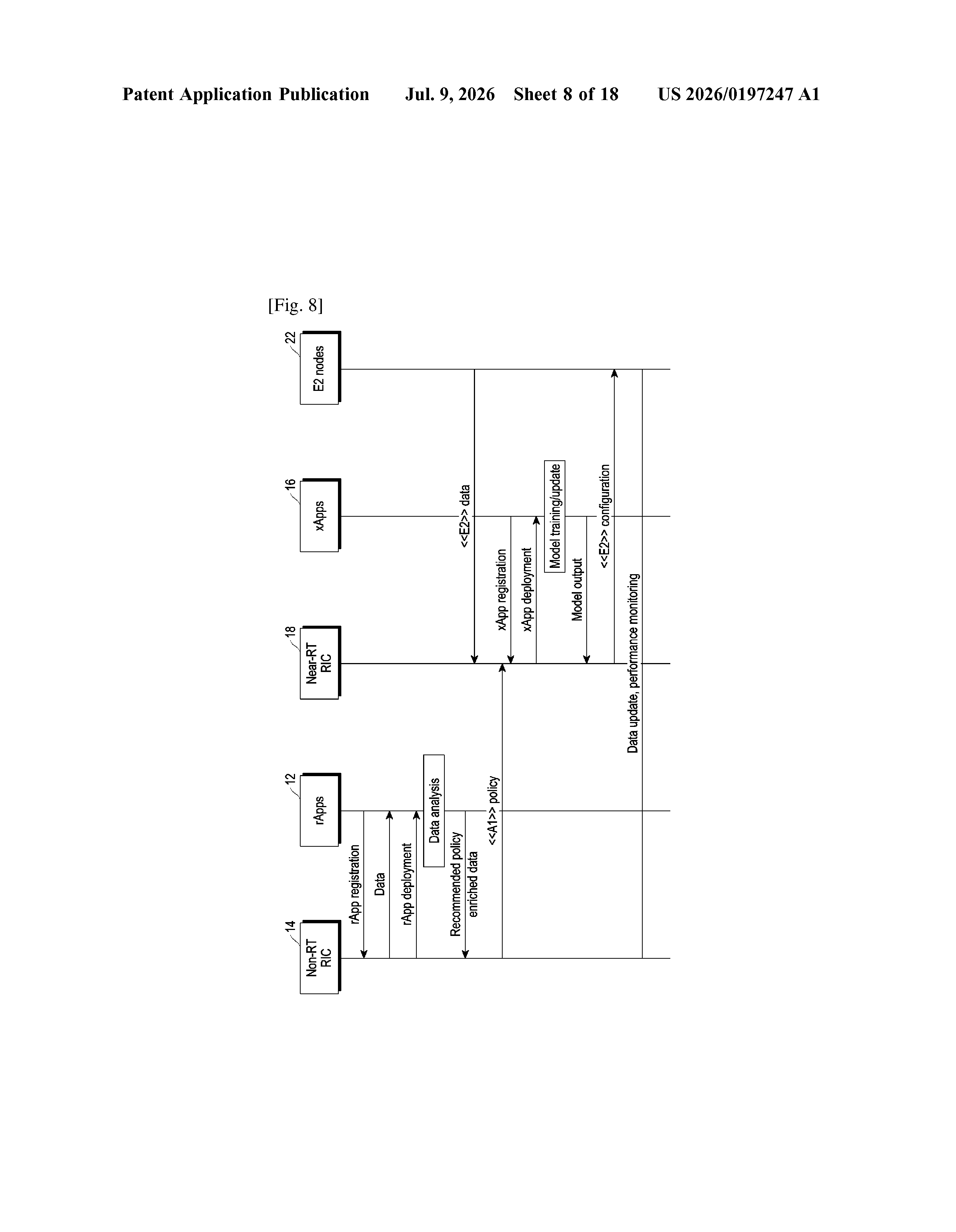
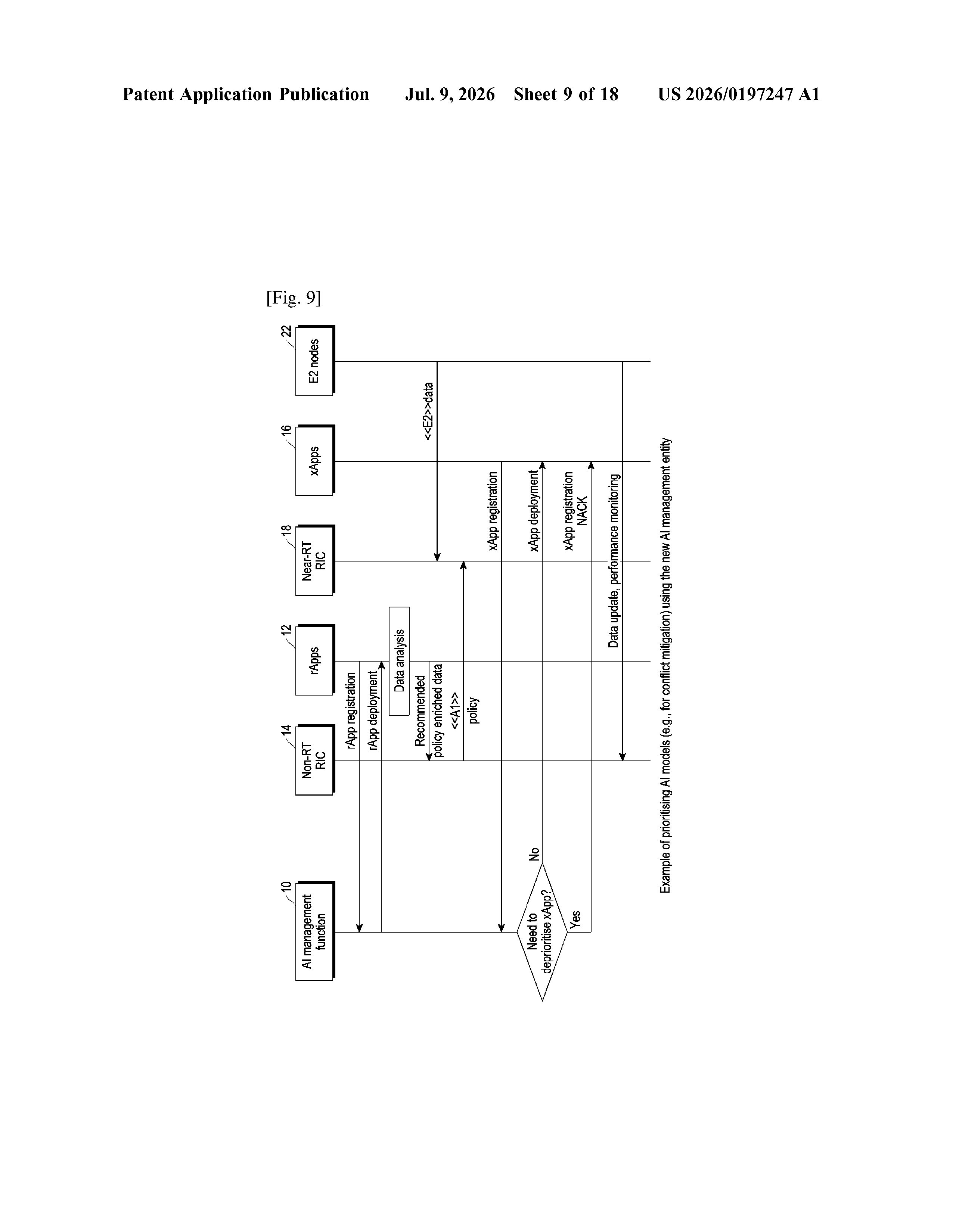
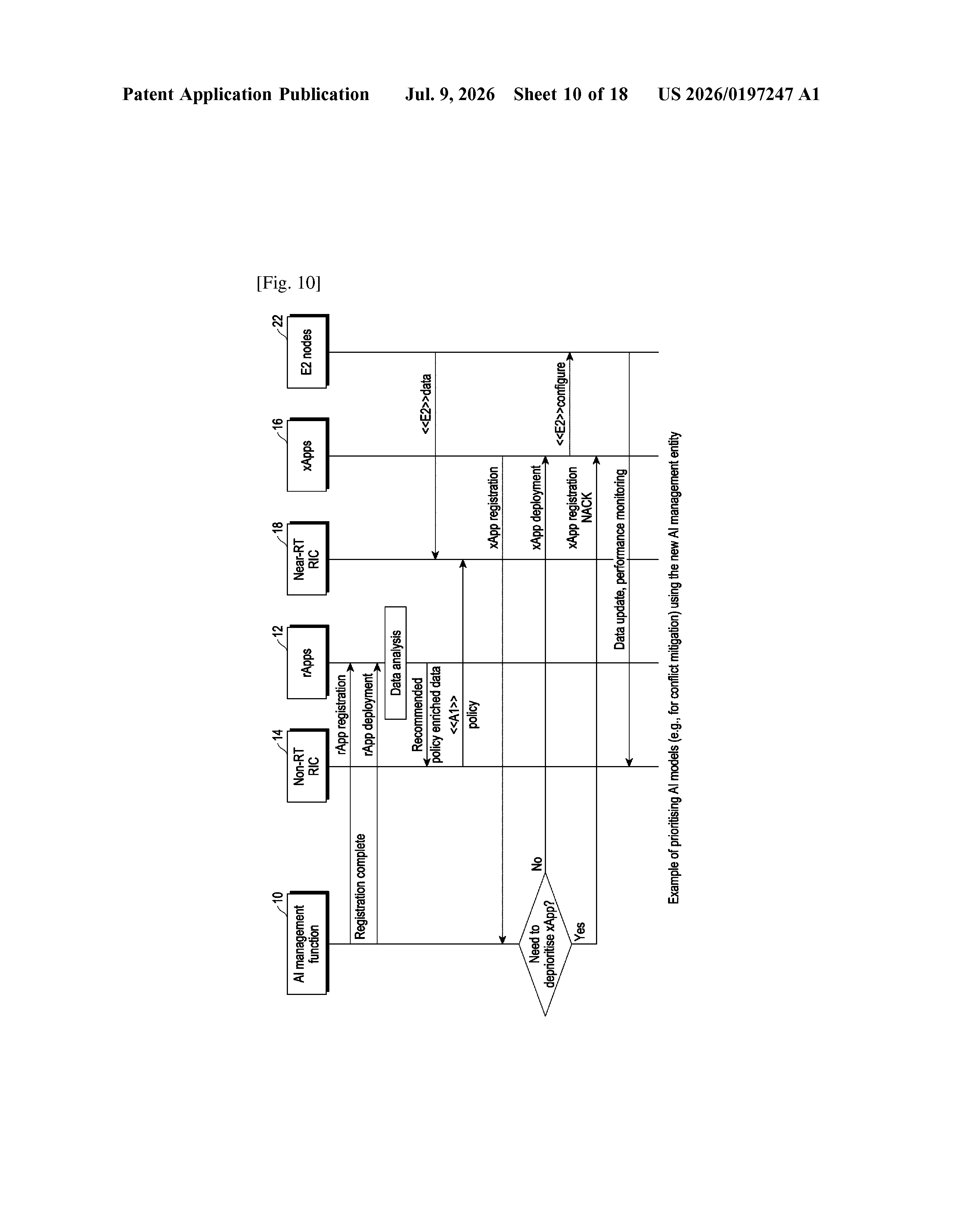
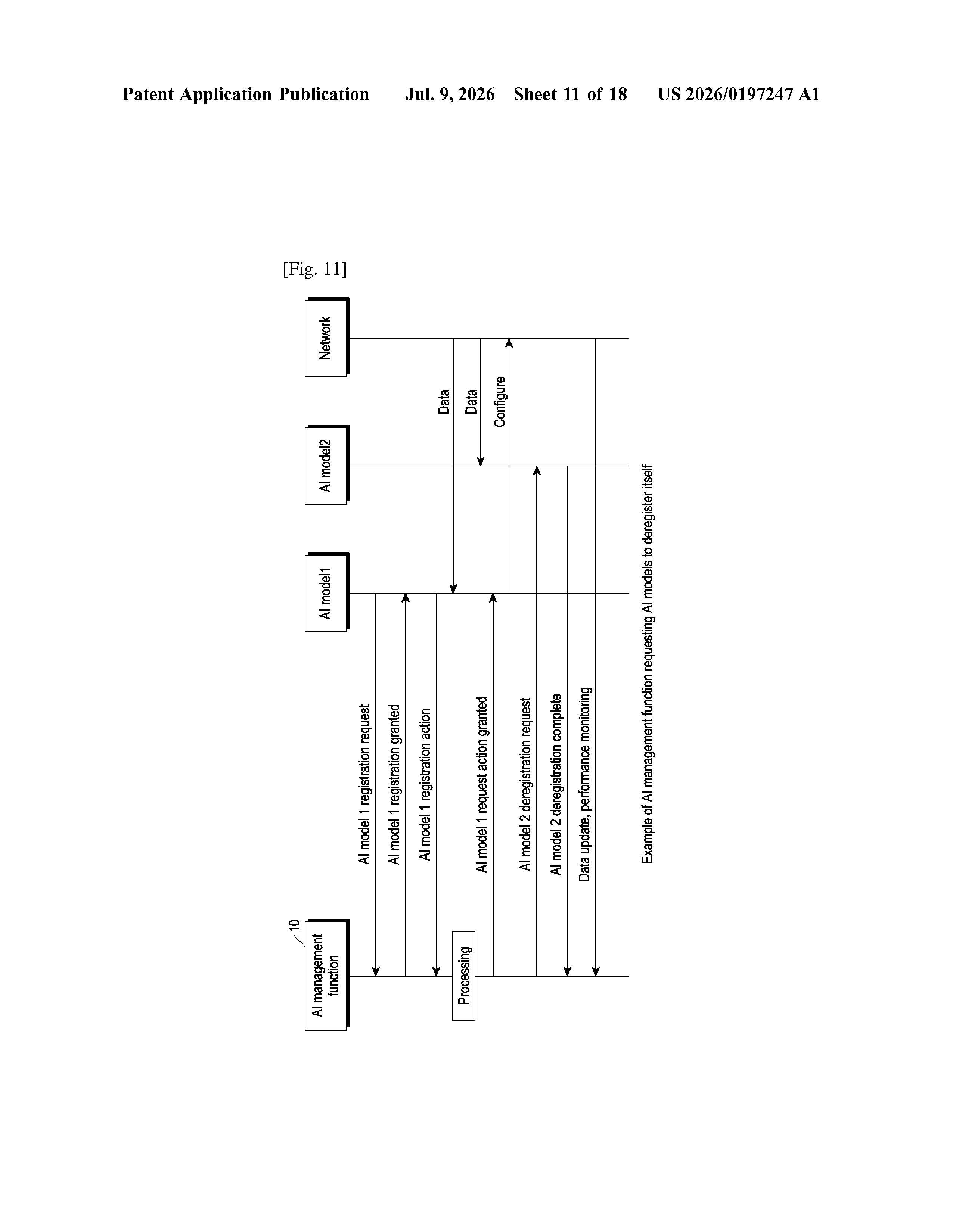
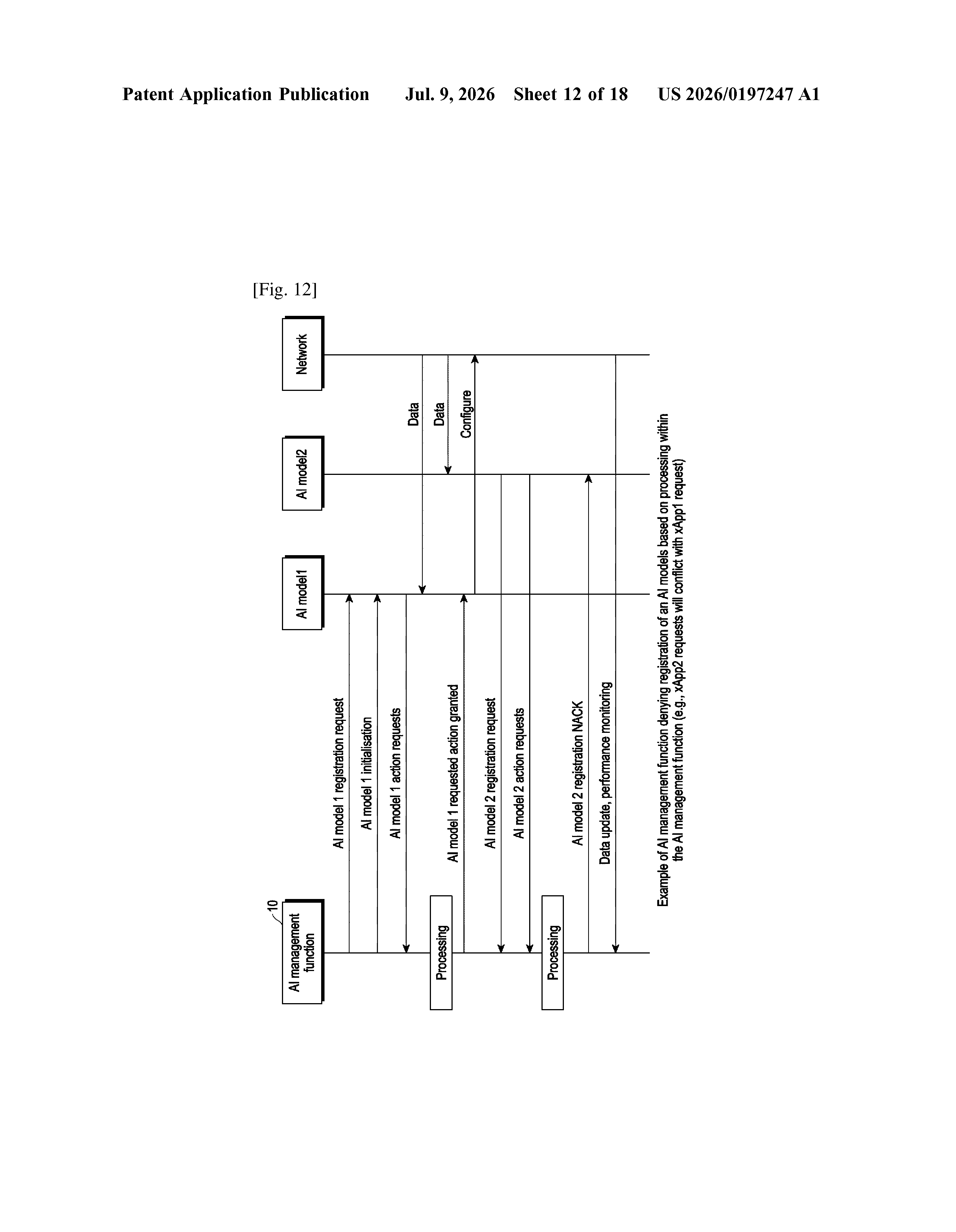
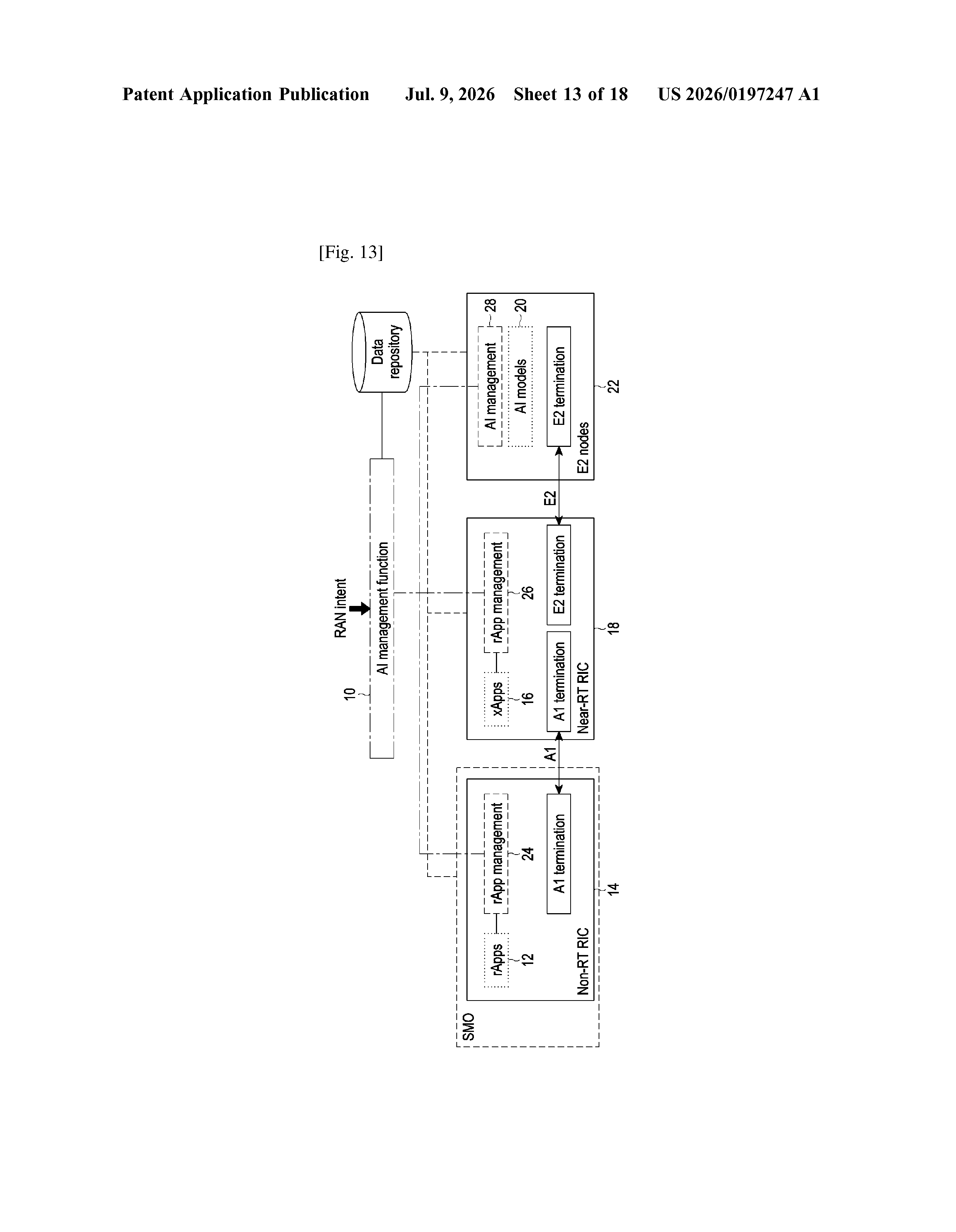
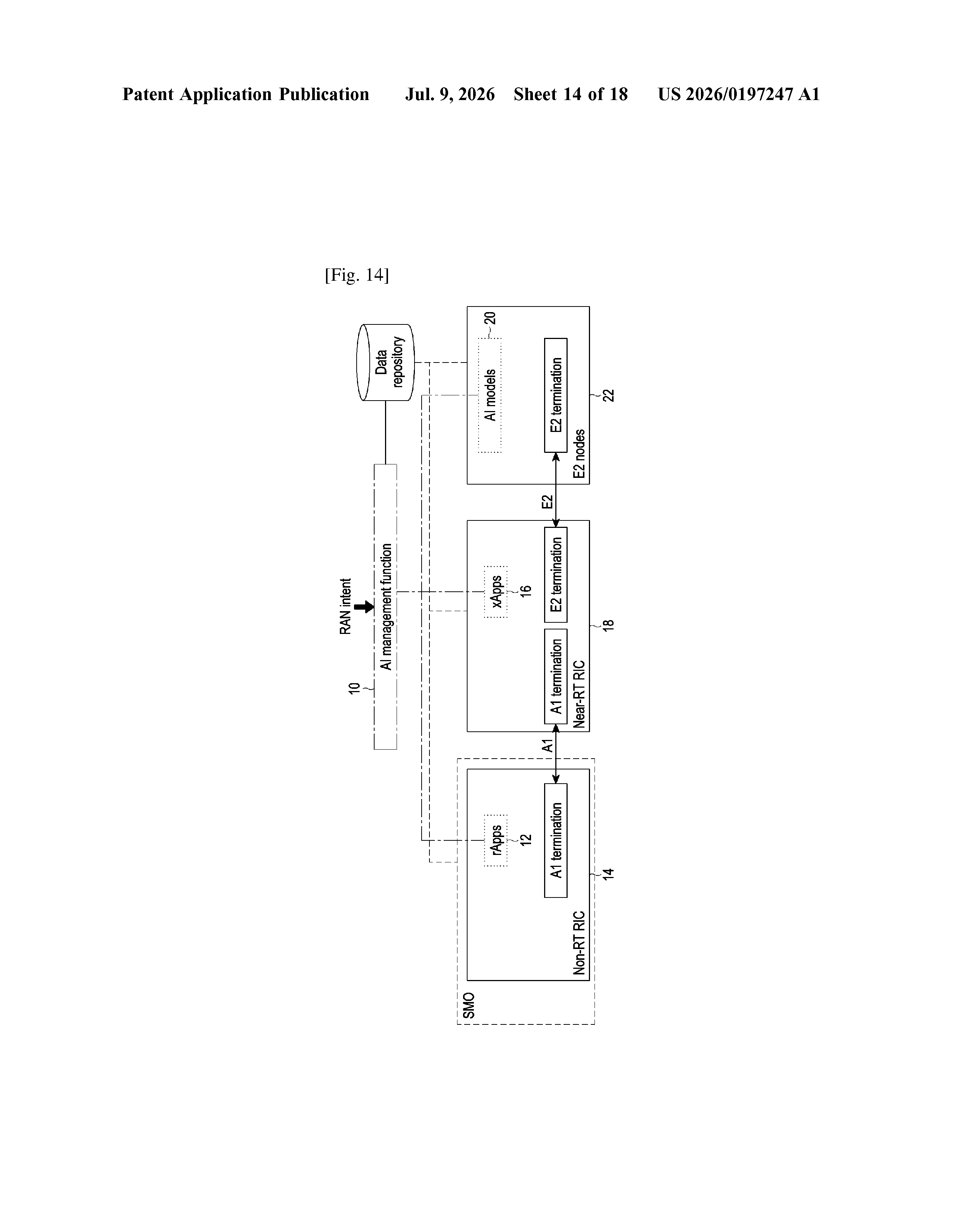
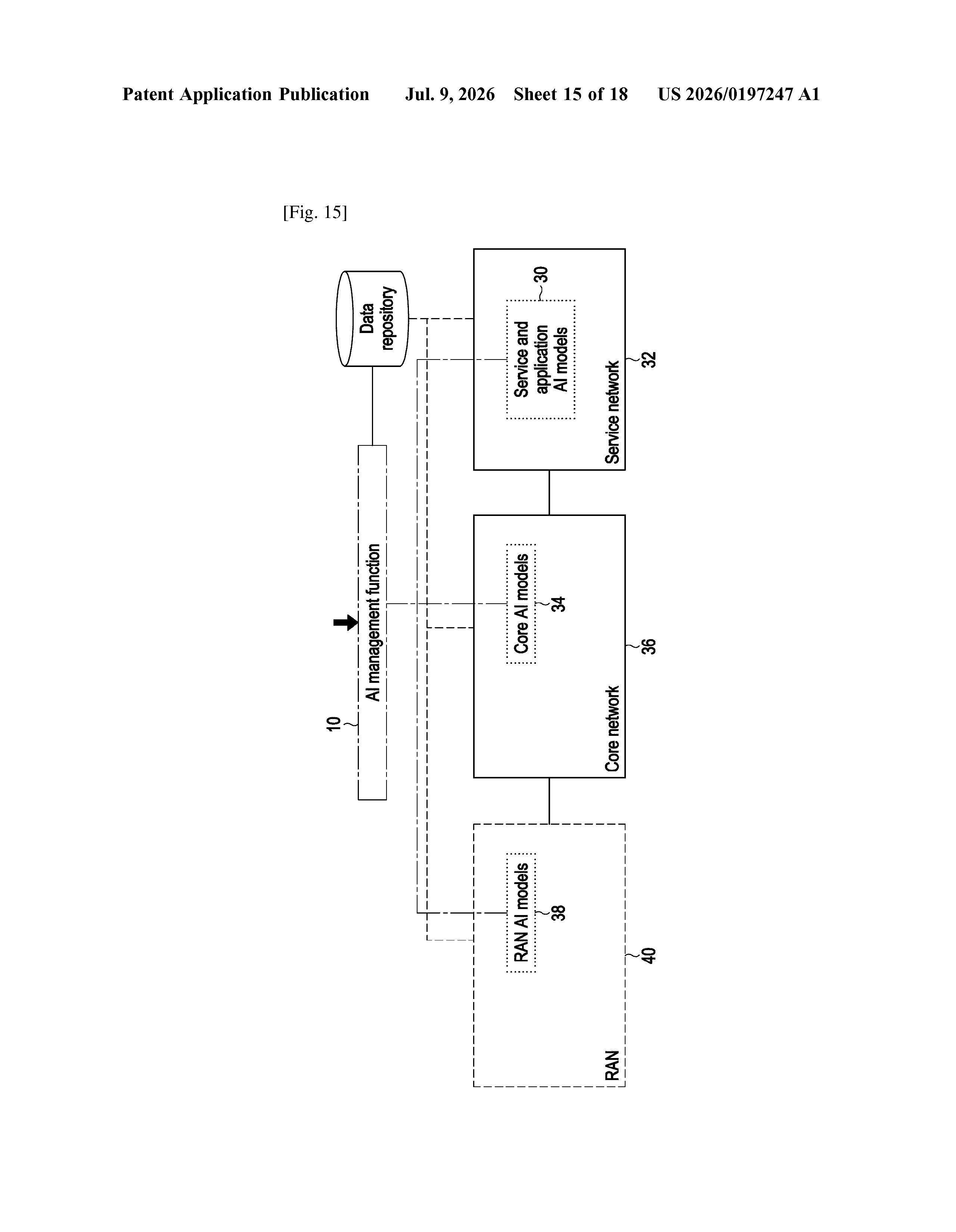
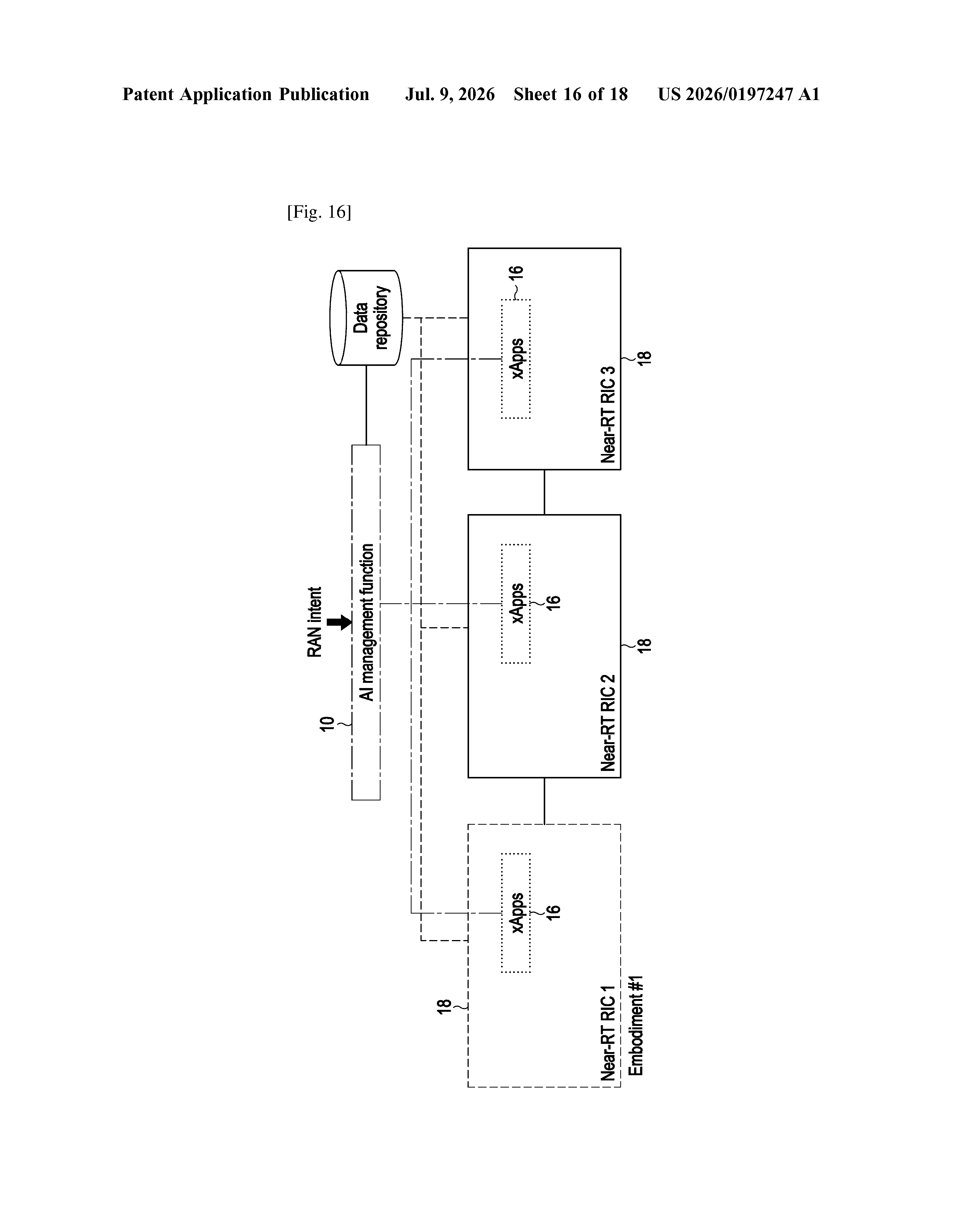
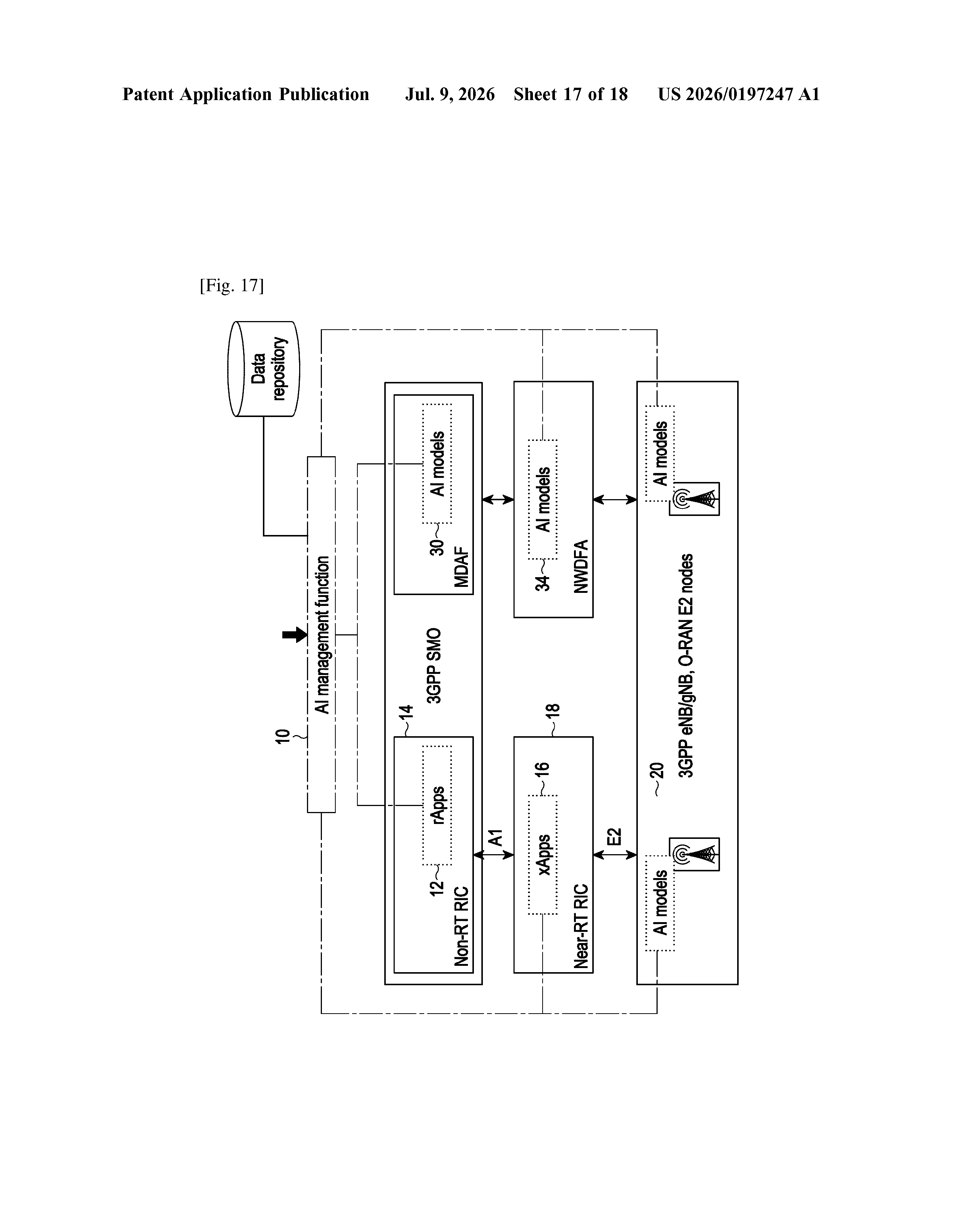
Samsung's patent describes a dedicated AI management node, a kind of head controller that sits above the other AI-running parts of the network. It collects status updates from the AI nodes, gathers broader network data from elsewhere, decides what each AI node should do next, sends out instructions, and waits for each node to confirm it carried out the order.
The system is designed for 5G and 6G networks, where the volume of connected devices and real-time decisions is far too high for human operators to manage manually. Think of it as giving the network's AI a chain of command.
How the control node coordinates status, commands, and confirmations
The patent defines a first network node that acts as the AI management hub. It communicates with at least two other nodes (called the second and third) that each run AI or data analytics functions. A separate fourth node supplies broader network information, such as load levels or topology data.
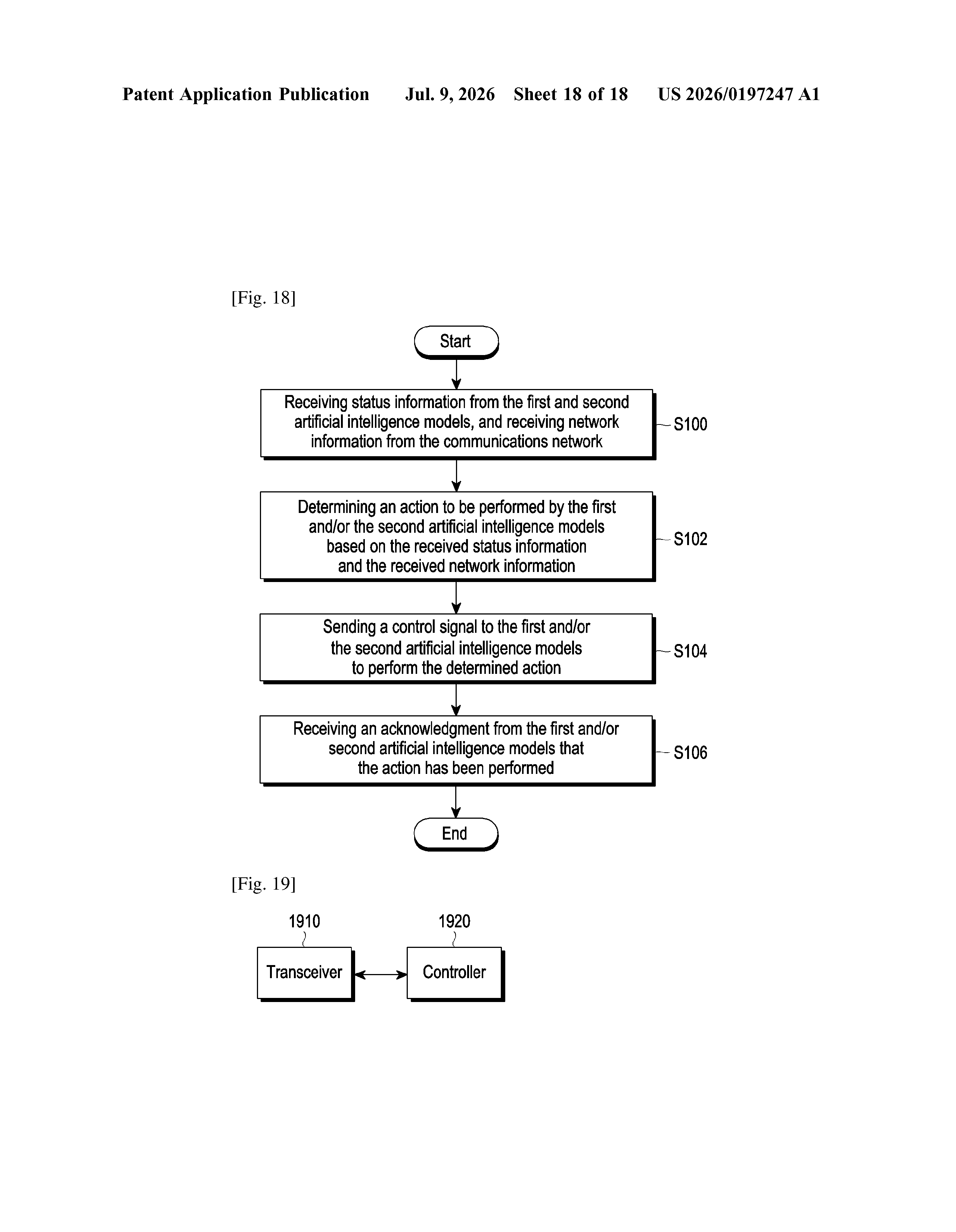
The controller's workflow follows a clear loop:
- Receive status information from the AI-capable nodes (what they're doing, how they're performing).
- Receive network information from the reporting node (what the wider network looks like).
- Determine an action each AI node should take, based on both inputs.
- Send a control signal instructing each node to perform that action.
- Wait for an acknowledgment confirming the action was completed.
This closed-loop design (instruct, confirm, repeat) is important because network conditions change in milliseconds. The acknowledgment step lets the management node know whether its instructions actually took effect before it issues the next round of commands.
The scope is intentionally broad: the second and third nodes can run any AI function or data analytics function, meaning the architecture is meant to work across many types of network intelligence, not just one specific task.
What this means for 6G network reliability
Mobile networks in the 5G era are becoming software-defined systems where AI models handle tasks that used to require human engineers. As 6G approaches, that trend accelerates. A coordination layer like this one is a prerequisite for networks that can self-optimize at scale without human oversight.
For you as a consumer, the end result would be a network that reacts faster to congestion, drops fewer calls, and allocates bandwidth more fairly, because its AI components are working from the same playbook rather than independently. For Samsung, which makes both network equipment and consumer devices, owning the architecture for AI-managed networks is a strategic position worth holding early.
This is foundational infrastructure work, not a flashy consumer feature. The patent doesn't describe a new AI algorithm or a specific network optimization trick; it describes the governance layer that lets multiple AI systems inside a network take orders from a single authority. That's genuinely useful engineering, even if it won't ever appear on a spec sheet.
Get our take in your Top Stories
Liked this breakdown? Add Patentlyze as a preferred source on Google, and our plain-English take shows up more often in your Top Stories the next time Samsung patent news breaks.
There are more where this came from
We read every patent application Big Tech publishes and send you the ones worth knowing. Plain English, free, every week.
The drawings
18 drawing sheets from US 2026/0197247 A1 · click any drawing to enlarge
Show the other 10 sheets
Want this weekly breakdown for a company we don't cover? Patentlyze Pro →